AI's Role in Legal Battles: Expert Witness Relies on ChatGPT for Explosion Case Report
By Editor • August 17, 2026 • 2 min read
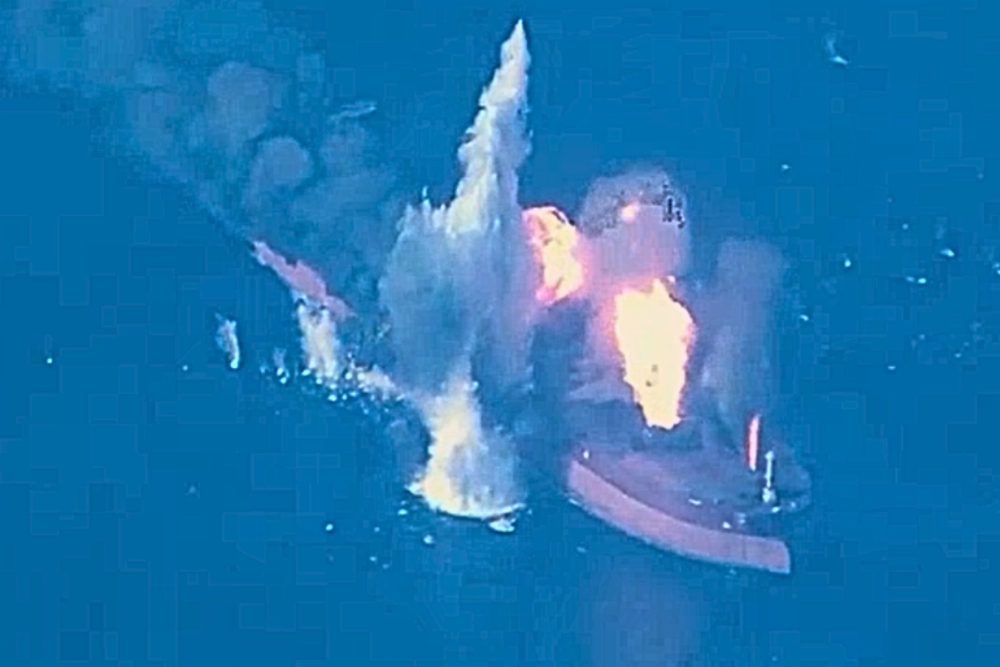
In a striking instance of artificial intelligence's infiltration into the legal arena, an expert witness in a Houston explosion lawsuit has revealed that he utilized ChatGPT to compose a substantial portion of his report. This case stems from a 2020 incident at Watson Grinding that resulted in three fatalities and the destruction of approximately 200 homes, leading to significant litigation against industrial giant 3M.
The expert, Josh Autenrieth from Knighthawk Engineering, was hired by 3M to provide testimony regarding the explosion, which was attributed to a faulty gas hose. Court documents indicate that Autenrieth's report aimed to demonstrate that 3M bore no responsibility for the explosion, a claim he sought to bolster using AI-generated content.
The use of ChatGPT became evident when plaintiffs' attorney Will Moye uncovered a document titled "Citation Overlay," which he recognized as AI-generated. Upon demanding access to Autenrieth's prompts, Moye received over 350 pages of conversations with ChatGPT, revealing the extent of AI involvement in the report's preparation. 3M reportedly compensated Knighthawk Engineering around $90,000 for this analysis, with Autenrieth's services billed at $475 per hour.
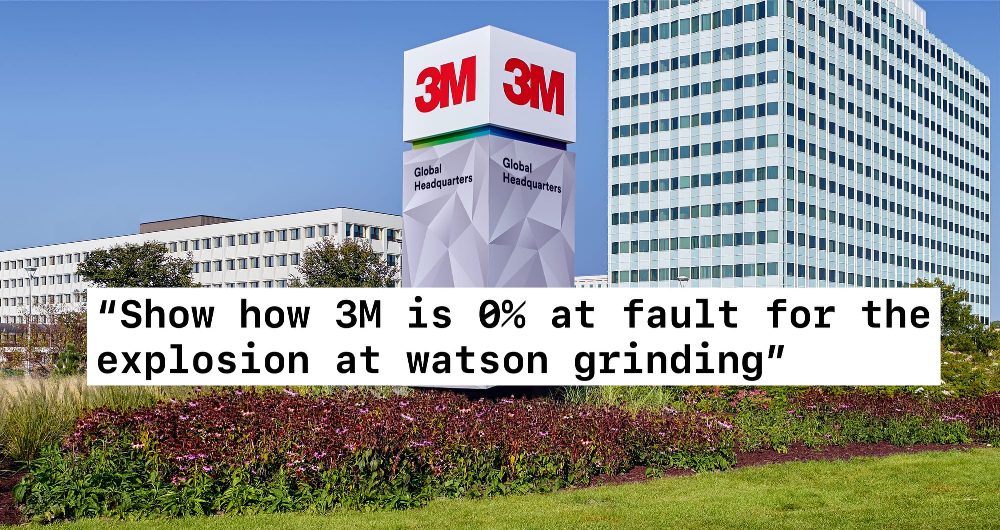
Throughout his interactions with ChatGPT, Autenrieth explicitly instructed the AI to assist in crafting a report that would defend 3M's practices regarding the explosion. He sought to counter claims made by opposing witnesses and even directed the AI to analyze hundreds of court records related to the case. One notable output from ChatGPT claimed, "From a technical and standard-of-care standpoint, 3M is 0% responsible for the January 24, 2020 explosion." However, this specific line was omitted from the final submission as it was deemed too vulnerable to legal scrutiny.
As the case unfolded, Autenrieth's reliance on ChatGPT became a focal point of the trial. Moye asserted that the expert's dependence on AI was not merely supplementary but rather foundational, implying that ChatGPT had effectively served as the expert in the case. Moye further criticized the integrity of the expert testimony, stating that the prompts were biased towards favoring 3M, and he expressed concern over the implications of AI-generated reports in legal proceedings.
During the trial, Autenrieth acknowledged using ChatGPT but maintained that he contributed his own expertise and opinions to the generated content. He claimed that he utilized AI to create a framework for his arguments, but both he and Moye conceded that the submitted report was largely derived from ChatGPT's output.
In a surprising twist, Moye opted to call Autenrieth as a witness for the plaintiffs, emphasizing the questionable nature of the AI-assisted report. This decision highlighted the growing intersection of technology and legal practice, raising critical questions about the authenticity and reliability of expert testimony in contemporary courtrooms.
Source: www.404media.co