Concerns Rise Over Weapon Searches Impacting First Nations People in Queensland
By Editor • August 25, 2026 • 2 min read
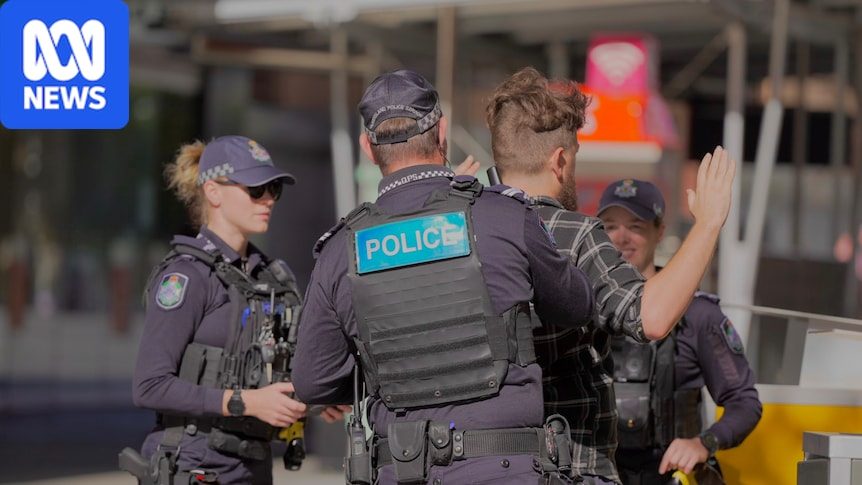
Recent statistics reveal that a significant proportion of individuals searched for weapons in Queensland under new police powers identify as First Nations. From July 2025 to June 2026, Queensland Police conducted 160,997 scans, with 11 percent of those scanned identifying as Aboriginal or Torres Strait Islander, a figure markedly higher than their representation in the population.
Greg Shadbolt, principal legal officer at the Aboriginal and Torres Strait Islander Legal Service (ATSILS), expressed alarm at the data, noting that the representation of First Nations individuals among those searched is approximately two and a half times what would be expected based on population demographics. He emphasized the need for better training to reduce cultural stereotyping within police practices.
Shadbolt highlighted that these figures contribute to the broader issue of First Nations over-representation in the criminal justice system, contrary to the Closing the Gap initiatives aimed at reducing incarceration rates among Aboriginal and Torres Strait Islander peoples. He clarified that ATSILS is not against measures to curb knife violence but is concerned about the implications of the wanding practices.
George Newhouse, head of the National Justice Project, echoed these concerns, pointing to the "significant disparity" in the data. He noted that interactions with the police do not occur in isolation and that these statistics reflect ongoing issues of disproportionate representation. Newhouse advocated for a threshold requirement for police to stop and search individuals to mitigate bias.
The wanding laws, known as Jack's Law, were enacted following the tragic stabbing of 17-year-old Jack Beasley in 2019 and allow police to search individuals in public places without a warrant. Since the legislation's implementation, police have charged 2,497 individuals with close to 5,000 offenses and seized 1,270 weapons statewide.
Ben Cannon, co-founder of Voice for Victims, acknowledged the tragic events that led to the establishment of these laws but insisted on the importance of removing weapons from the community, despite the criticisms regarding who is being targeted in these searches. Cannon expressed cautious optimism over declining youth crime rates while recognizing that further improvement is necessary.
In defense of its strategies, the Queensland Police stated that scanning operations are driven by operational intelligence and focused on areas with identified risks, rather than demographic factors. Police Minister Dan Purdie emphasized the government’s commitment to community feedback in expanding Jack's Law.
Griffith University criminologist Nadine Connell, who evaluated the wanding trial, remarked that the collection of data regarding cultural identity is imprecise, as it relies on self-identification. Connell acknowledged that the over-representation in the data could relate to the areas targeted for wanding operations, emphasizing that the police do not intentionally target any specific demographic.
Source: www.abc.net.au
#ATSILS #First Nations #Jack's Law #Queensland Police #weapon searches