Copenhagen Embraces Restoration Architecture: A Journey Back in Time
By Editor • August 24, 2026 • 2 min read
As Copenhagen strides confidently into the 21st century, it finds itself increasingly inspired by its own history. The Danish capital, once celebrated for its audacious modern designs—such as sweeping bridges and innovative energy centers—is now experiencing a renaissance in restoration architecture. This revitalization trend reflects a growing appreciation for preserving historical structures and enhancing their social and environmental significance.
The city is poised for a tourism boom, with visitor numbers expected to leap nearly 25% over the next decade. In preparation, several heritage sites are being meticulously restored. Notably, the Rundetårn observatory, a landmark since 1642, is set to reopen this October after significant renovations. Last year, the Circus Building, which dates back to 1886, was transformed by Lundgaard & Tranberg Architects, revitalizing its vibrant atmosphere.
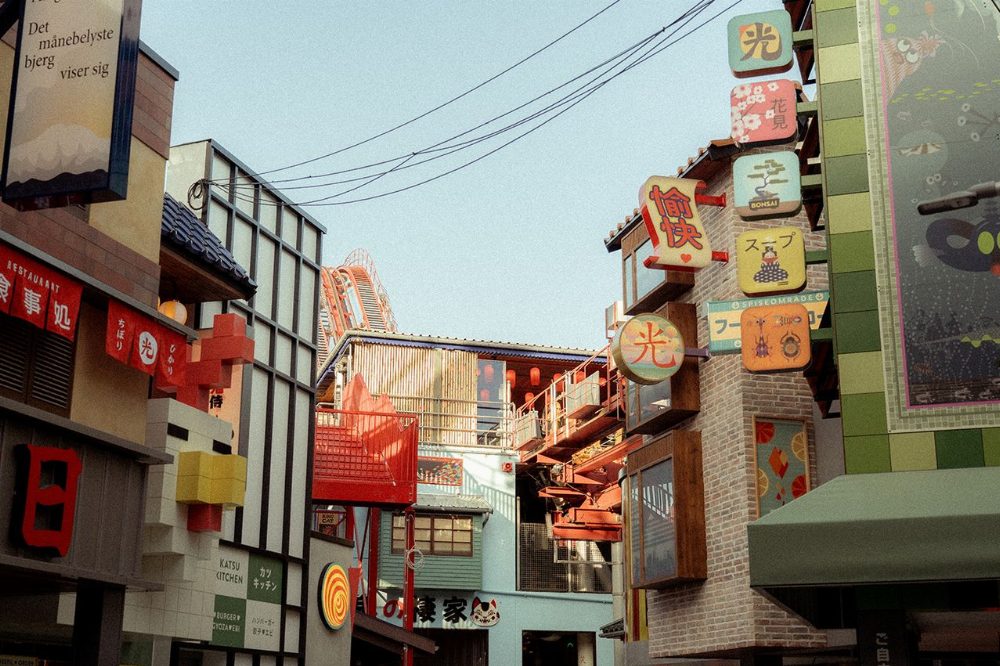
Tivoli, Copenhagen’s iconic amusement park, attracts around 4.3 million visitors annually and employs a dedicated team of artists and historians to maintain its charm. CEO Susanne Mørch Koch emphasizes that keeping the park alive is crucial; it serves as a bridge for families across generations. Recent investments, including a new Japanese-themed 'Hikari' district, further highlight the delicate balance between heritage and innovation.
Just outside the bustling city center, the Frederiksberg Swimming Pool, originally constructed in 1934, has undergone an extensive restoration led by architect Cornelius Vöge. The project not only upgraded facilities but also revived the original color palette inspired by Vilhelm Lundstrøm's mosaic. Vöge expresses a deep commitment to storytelling through architecture, viewing his role as that of a biographer and curator.
At Schmidt Hammer Lassen Architects, the focus on renovation and restoration is evident, with these sectors rapidly expanding. The updated Danish National Architecture Policy of 2025 has reinforced the importance of reusing existing structures, emphasizing sustainability and carbon lifecycle considerations. Partner Nicolai Overgaard notes that the threshold for demolition has significantly increased, reflecting a cultural shift toward valuing historical architecture.
Among their notable projects is the restoration of the Palm House at the University Botanical Gardens, which requires the expertise of multiple specialists. Similarly, the University Library, built in 1861, has been adapted for public use while preserving its historical integrity. The restoration process has included meticulous work on its stained glass windows, returning them to their original colors.
Elif Tinaztepe, also a partner at Schmidt Hammer Lassen, articulates the philosophy behind these restorations: architects must understand the functional purpose of older buildings rather than romanticize their appearance. The funding landscape for such projects has transformed, with corporate and philanthropic interests stepping up to support heritage conservation. Tinaztepe believes that this trend reflects a collective desire to be connected to our past.
Copenhagen's architectural journey is marked by significant projects, including the ongoing restoration of Arne Jacobsen's Nationalbank and the renovation of the Realdania headquarters. Each of these endeavors showcases a broader cultural movement towards valuing historical structures, driven by a sincere commitment to preserving the past for future generations.
Source: www.wallpaper.com