Cultural Revival: Young Catalans Champion Identity Amid Political Disillusionment
By Editor • August 17, 2026 • 3 min read
As Catalonia continues to grapple with its complex identity nearly a decade after a controversial independence referendum, a new wave of young activists is prioritizing cultural expression over political maneuvers. This shift reflects a growing sentiment that the battle for Catalan identity may be fought more effectively through music, art, and language rather than traditional political channels.
In Celra, a small village near Girona, former independence activist Pau embodies this generational shift. "The only Spanish thing about me is my identity card," he stated, emphasizing a strong identification with Catalonia's unique culture and language. This perspective resonates deeply in a region that has long viewed itself as distinct from the rest of Spain, boasting its own language, customs, and heritage.
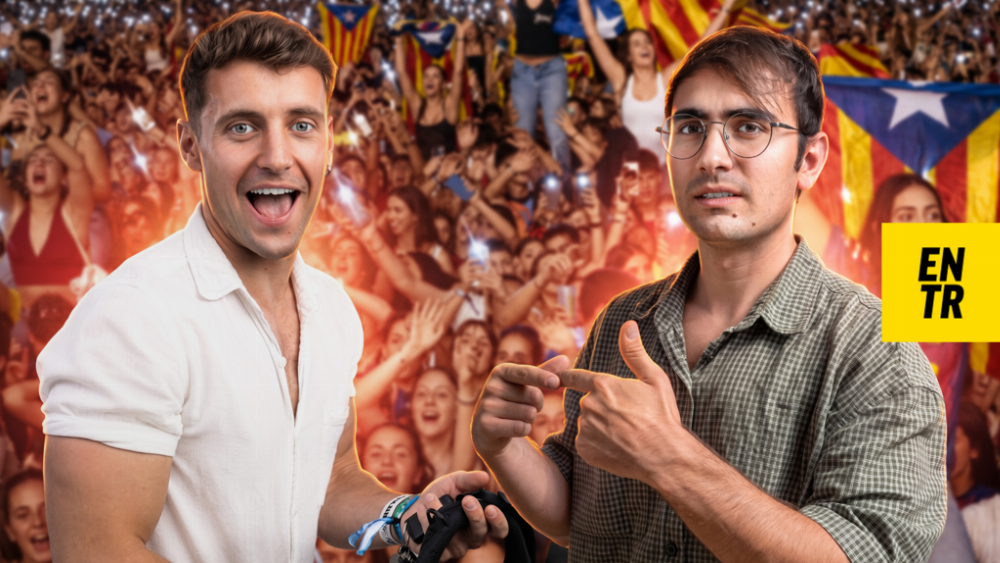
At the annual Cabro Rock festival in Vic, the vibrancy of Catalan culture was on full display. Attendees celebrated local music, with the atmosphere dominated by the Catalan flag and the sounds of passionate performances. DJ KZU Music, known for remixing traditional tunes, declared, "Under my posts, there are lots of comments saying: ‘You’re doing more for the Catalan language and for Catalonia than most Catalan politicians.’" This sentiment captures the essence of the festival, where cultural pride plays a crucial role in the ongoing push for Catalan autonomy.
Despite the festive ambiance, the backdrop of political strife remains palpable. The failed referendum of October 1, 2017, marked a pivotal moment in Catalonia's struggle for independence, igniting widespread protests against the Spanish government’s crackdown. Pau recalls the spirit of unity that propelled over two million Catalans to vote, despite the risks involved. "Looking back, I feel pride in what we achieved, one of the most important demonstrations in recent European history," he remarked.
Yet, the political landscape has shifted dramatically since then, with many activists disillusioned by the lack of progress and broken promises from political leaders. The trial of twelve Catalan leaders in 2019, with convictions for sedition, further deepened this sense of betrayal among the pro-independence movement.
In the wake of these events, Pau and his peers are turning their focus inward, prioritizing the preservation of the Catalan language as a means of cultural resistance. He expressed concern over the encroaching dominance of Castilian in Barcelona due to rising tourism, emphasizing the need for authorities to ensure that Catalan is recognized and respected in everyday interactions.
Despite the challenges, there is a growing enthusiasm among the youth for cultural initiatives. From music to social media content, many are embracing and promoting their language. Joan, a performer at Cabro Rock, articulated his hope for a future where Catalan is widely recognized and cherished: "If we don’t speak it, nobody will. It’s super important to make sure everyone understands that our language is Catalan."
With Catalan spoken by over 10 million people across Europe, including more than eight million in Spain, the ongoing fight for cultural recognition may yet pave the way for renewed political aspirations. As young Catalans continue to express their identity through culture, they hold onto the hope that their efforts could reignite the flames of independence.
Source: www.france24.com