Israeli Airstrikes in Southern Lebanon Leave Seven Dead, Renew Tensions
By Editor • August 15, 2026 • 2 min read
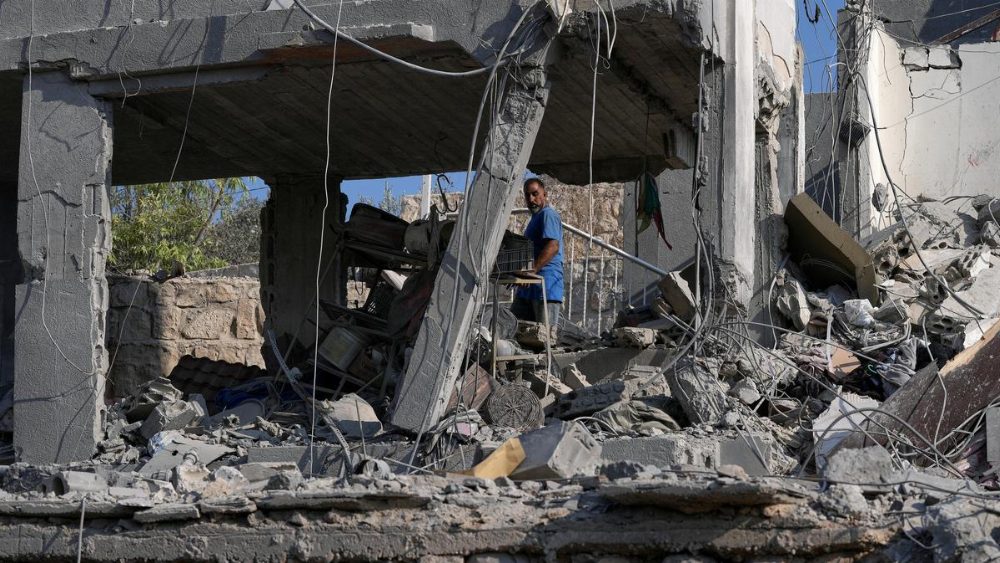
In a devastating escalation of violence, Israeli airstrikes in southern Lebanon on Saturday claimed the lives of seven individuals, including three children, marking the deadliest incident since a ceasefire was reached in June. The airstrikes targeted the village of Ansar, where residents reported extensive destruction and loss of life.
The strikes were part of Israel's retaliation against Hezbollah, an Iran-backed militant group, which Israel accused of employing its family members as 'human shields' during attacks. The Israeli military confirmed that one of the strikes resulted in the death of a Hezbollah commander, Ali Samir Al-Haj Hassan, who allegedly utilized civilians in his operations.
Lebanese President Joseph Aoun condemned the airstrikes, interpreting them as a direct affront to ongoing peace negotiations between Israel and Lebanon, scheduled to take place in Rome next month. Aoun remarked that the attacks send a clear message against American-led efforts to implement a framework deal established in Washington.
Israeli Prime Minister Benjamin Netanyahu's spokesperson insisted that the airstrikes should refocus and intensify the negotiation process rather than undermine it. However, Hezbollah has vowed to retaliate, urging Lebanese authorities to dismiss the ongoing talks, which they view as humiliating.
The Lebanese Health Ministry reported that in addition to the deaths in Ansar, four others were killed and 17 injured in a separate airstrike on Deir Zahrani, including a child and several women. Witnesses described scenes of devastation, with buildings reduced to rubble and families fleeing the area in search of safety.
As tensions rise, Lebanese Prime Minister Nawaf Salam emphasized that the fatalities of women and children in Ansar were not military targets, calling for an immediate cessation of hostilities. Meanwhile, Parliament Speaker Nabih Berri urged negotiators and ceasefire sponsors to take responsibility for the escalating situation.
Despite a decrease in violence since a U.S.-Iran agreement in June, the region remains fraught with danger, as intermittent Israeli strikes continue to target southern Lebanon. Israeli Defense Minister Israel Katz reaffirmed the military's commitment to maintaining a presence in the contested 'security zone,' though U.S. officials have stated that such a permanent deployment contradicts the terms of the framework deal.
Source: www.thehindu.com