Democratic Resistance Faces Reckoning After Primary Losses
By Editor • August 20, 2026 • 2 min read
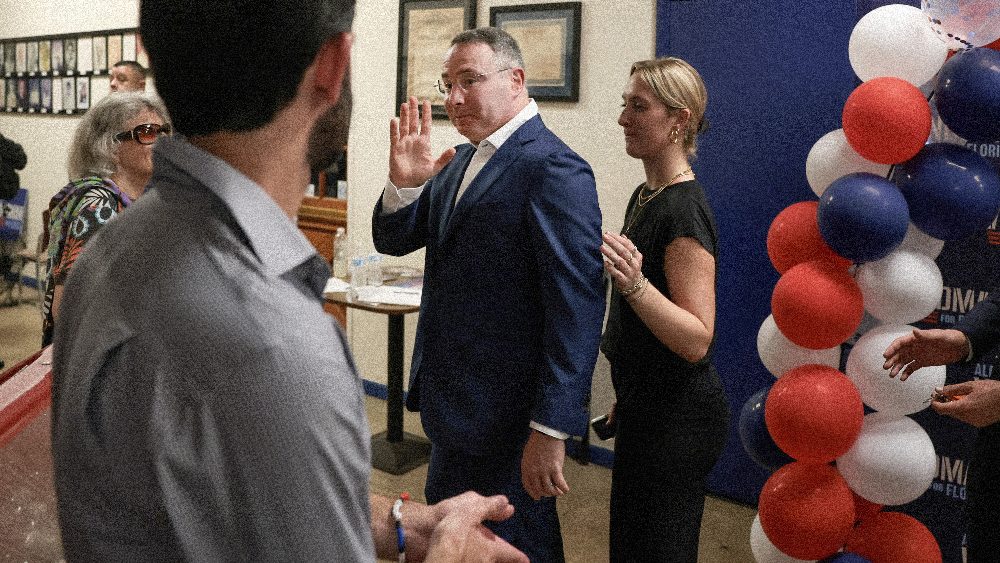
In a striking turn of events for the Democratic Party, the recent primary defeats of high-profile figures linked to the party's initial resistance against Donald Trump signal a significant shift in the political landscape. Notably, retired Army Lieutenant Colonel Alex Vindman, a key witness during Trump's first impeachment, lost in the Florida Senate primary, prompting Trump to celebrate on Truth Social, taking a jab at Vindman as a "SleazeBag" defeated by a "Radical Left Lunatic." This loss highlights a broader trend where once-prominent resistance candidates struggle to resonate with Democratic voters.
Politico has reported that the string of losses for these impeachment-era candidates suggests a waning of resistance politics within the party. Figures such as Dan Goldman and Harry Dunn, who also played important roles during the impeachments, have found that their previous credentials no longer guarantee support from the party's base. As a result, the once-dominant narrative of resistance against Trump appears to be losing its appeal.
The resistance movement, which characterized much of the first Trump administration, is now regarded unfavorably, often viewed as a mere punchline. Despite its initial popularity, it failed to deliver substantial political victories, leading many to contend that its methods have become outdated. The Mueller investigation and impeachment processes, though they aimed to expose Trump's perceived corruption, ultimately fell short in terms of impactful outcomes, failing to remove him from office or significantly curb his authority.
Trump's second term has seen him consolidate power further, appointing loyalists across key positions in the Justice Department and removing independent oversight, creating an environment where criticism from within the Republican Party is nearly nonexistent. This consolidation has raised questions about the effectiveness of resistance narratives, as even Trump’s critics within the party have shifted their stances.
Resistance Democrats are now caught in a bind, facing criticism not only from mainstream conservatives but also from leftist factions who argue that the resistance relied too heavily on institutional channels rather than grassroots political movements. A notable example is Jon Ossoff, whose initial campaign faltered due to a lack of progressive messaging. Critics from the party's left wing maintain that the failure to adopt a more progressive platform contributed to losses in key races.
Despite the setbacks, some believe that the core message of opposing Trump’s actions remains valid. Resistance themes initially helped Democrats reclaim the House in 2018 and contributed to Biden's election in 2020. However, the shift in focus towards progressive policies under Biden has led to disillusionment among voters, suggesting that a return to emphasizing Trump's unfitness for office might be the most effective strategy moving forward.
As the Democratic Party reflects on its electoral strategies, the focus may need to shift back to highlighting the specific threats posed by Trump and his administration, rather than pursuing broader systemic changes. This approach could be essential in rebuilding trust with working-class voters and regaining political ground lost in recent primaries.
Source: www.theatlantic.com
#Alex Vindman #Democratic Party #political strategy #primary elections #Trump