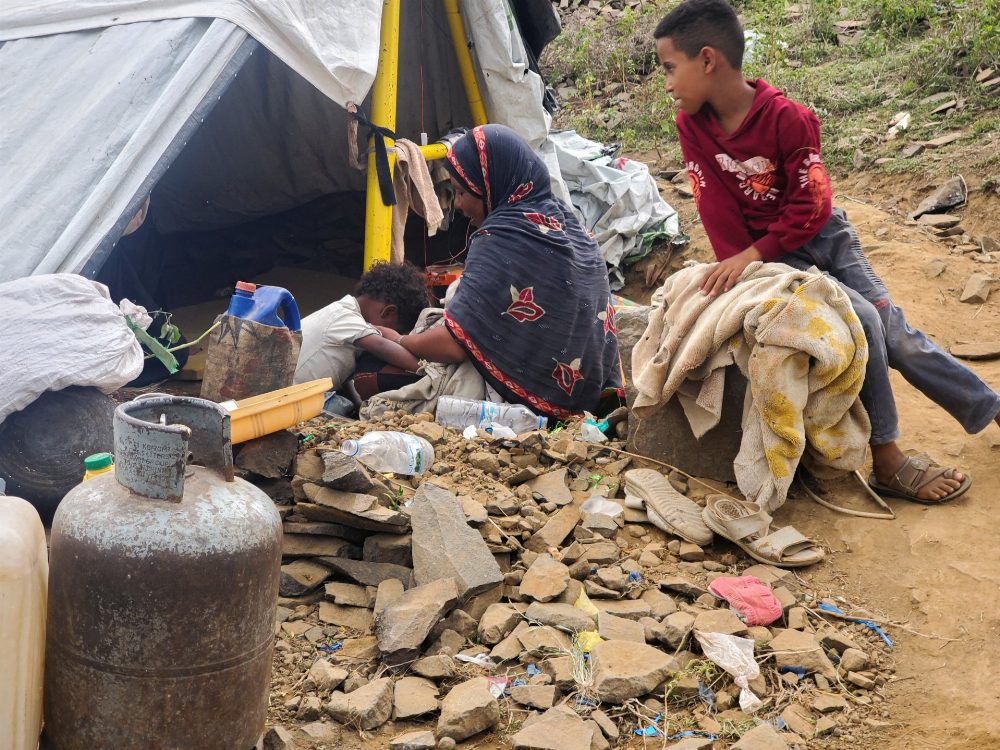
Devastating Flash Floods in Nepal Leave 95 Dead and Hundreds Missing
By Editor • August 26, 2026 • 2 min read
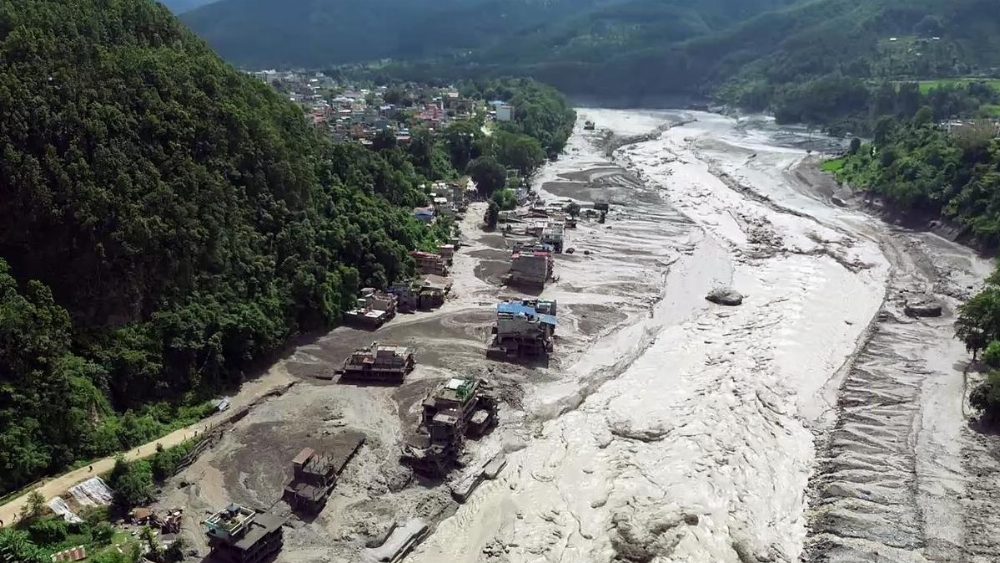
In a tragic turn of events, flash floods caused by an outburst in the Bhotekoshi River have devastated the Himalayan border region of Nepal and Tibet, claiming at least 95 lives as of August 26, 2026. The disaster has left over 350 individuals unaccounted for, including 291 foreign nationals, raising alarms across the nation.
The Nepal Tourism Board reported that among the missing are 93 Nepali citizens and 105 Indian nationals. Rescue efforts have been hampered by damaged infrastructure, which includes roads, hydropower projects, and telecommunications networks. In response, more than 30 helicopters from the Nepal Army and private agencies have been deployed to assist in search-and-rescue operations.
Authorities have indicated that the floods struck shortly after an earthquake occurred in the morning, which may have triggered an ice avalanche. Foreign Minister Shishir Khanal informed Parliament that the floodwaters surged around 8:40 a.m., just minutes after the quake, with preliminary investigations suggesting a landslide in Tibet could also have contributed to the disaster.
The areas of Syapru Besi and Timure, home to approximately 50,000 residents, were particularly hard-hit. Reports indicate that significant property damage occurred, with vehicles and goods swept away. As the situation unfolded, Prime Minister Balendra Shah urged residents living along the riverbanks to evacuate to safer locations.
In the wake of the catastrophe, officials are racing to assess the full extent of the damage. While no rainfall was recorded in the region prior to the floods, rainfall in Tibet was noted, suggesting that climatic conditions contributed to the events. A Cabinet meeting has declared the affected local governments in Rasuwa, Nuwakot, and Dhading as disaster-crisis areas for the next three months, focusing on restoring essential services like roads and telecommunications.
Experts are voicing concerns over the increasing frequency of such extreme weather events in the Himalayas, emphasizing the need for improved disaster preparedness and infrastructure planning. Journalist Ramesh Bhusal remarked, "The high casualties are the result of ignorance" regarding the risks posed by building infrastructure along vulnerable river corridors.
Furthermore, a 2020 report by the International Centre for Integrated Mountain Development highlighted the presence of 3,624 glacial lakes in the region, with 47 classified as potentially dangerous. The risk of glacial lake outburst floods (GLOFs) is an ongoing concern, as one such lake upstream of the Trishuli River is under close monitoring.
As Nepal grapples with the aftermath of this unprecedented disaster, experts like climate change specialist Madhukar Upadhya are calling for a thorough assessment of the causes. He stated, "It’s beyond anything we have ever imagined," highlighting the urgent need for a comprehensive approach to mitigate future risks and safeguard vulnerable communities.
Source: www.thehindu.com
#Bhotekoshi River #climate change #disaster response #flash floods #Nepal