Trump States Surge Ahead in Solar Power Development
By Editor • September 15, 2026 • 2 min read
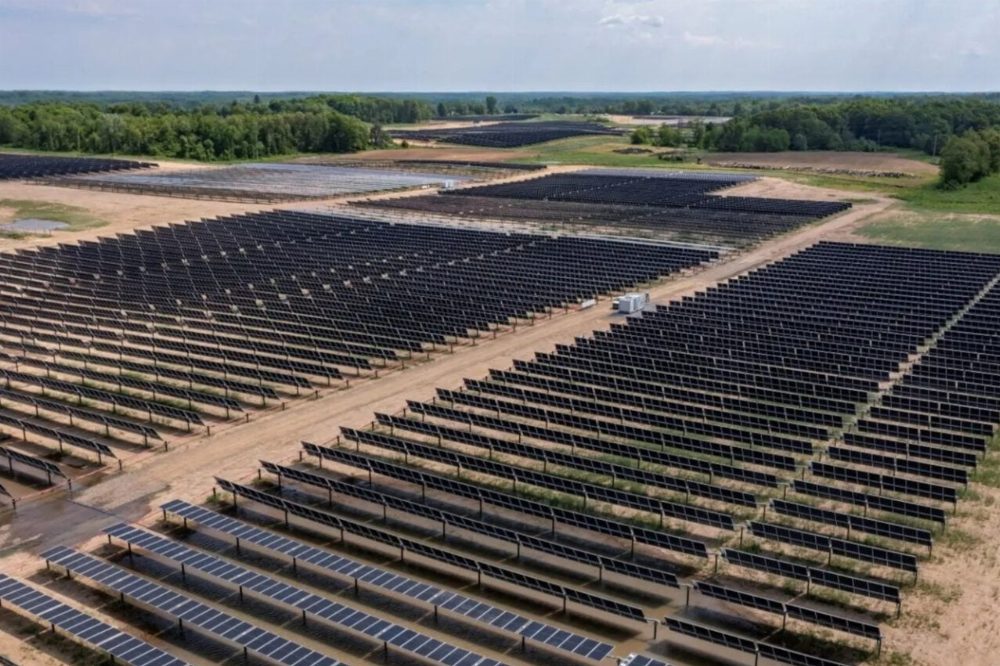
In a surprising turn of events, states that backed Donald Trump in the last presidential election are emerging as leaders in the solar energy sector. According to a report from the Solar Energy Industries Association (SEIA), over 70% of new solar installations in the United States are occurring in these Republican-leaning states.
Tim Pawlenty, CEO of the SEIA and former governor of Minnesota, noted that despite some Republican opposition to solar energy at the federal level, these states are embracing solar technology. "At least at the macro level, Republican-led and governed states are not only open to but embracing solar energy as a technology," he stated.
In the second quarter of 2026 alone, the U.S. added more than 11 gigawatts of solar power, a 45% increase compared to the same period in 2025. States that voted for Trump accounted for nearly three-fourths of this growth. Texas and Florida, the two most populous Trump-supporting states, ranked first and third in solar construction, respectively. Other states such as Indiana, Ohio, and Arizona also consistently remained in the top ten for solar development.
Pro-Business Environment Fosters Solar Growth
The pro-business attitudes prevalent in these Republican states have created a fertile ground for solar energy development. With abundant land and streamlined permitting processes, these states attract electricity-intensive industries, further driving demand for affordable energy sources like solar. Pawlenty emphasized this mindset, saying, "Red states, as a general proposition, have sort of a pro-build mentality. They want to build things."
Future Challenges Amid Changing Policies
However, the future of solar energy in these states is not without challenges. The Inflation Reduction Act of 2022 initially provided tax credits for solar investments, but the subsequent One Big Beautiful Bill Act led to an early expiration of these credits for many new solar projects. This has resulted in a rush to complete installations before the July 4, 2026 deadline. Experts warn that the lack of tax incentives may hinder future solar growth, particularly for rooftop installations, which have already begun to decline in 2026.
While Texas remains a stronghold for solar development, states like Michigan are just beginning to make their mark. Michigan, which voted for Trump in 2024, climbed from 23rd to fourth place in solar installations within a year, largely due to state mandates requiring utilities to generate 50% of their power from renewable sources by 2030.
As the solar landscape evolves, some industry analysts argue that the need for tax credits might be overshadowed by other structural factors, such as demand and federal permitting processes. Regardless of the challenges posed by changing policies, the rapid deployment capability of solar energy remains a hopeful sign for its future.
Source: gizmodo.com