Dolly Parton's Unyielding Spirit: A Musical Journey of Empowerment
By Editor • August 26, 2026 • 3 min read
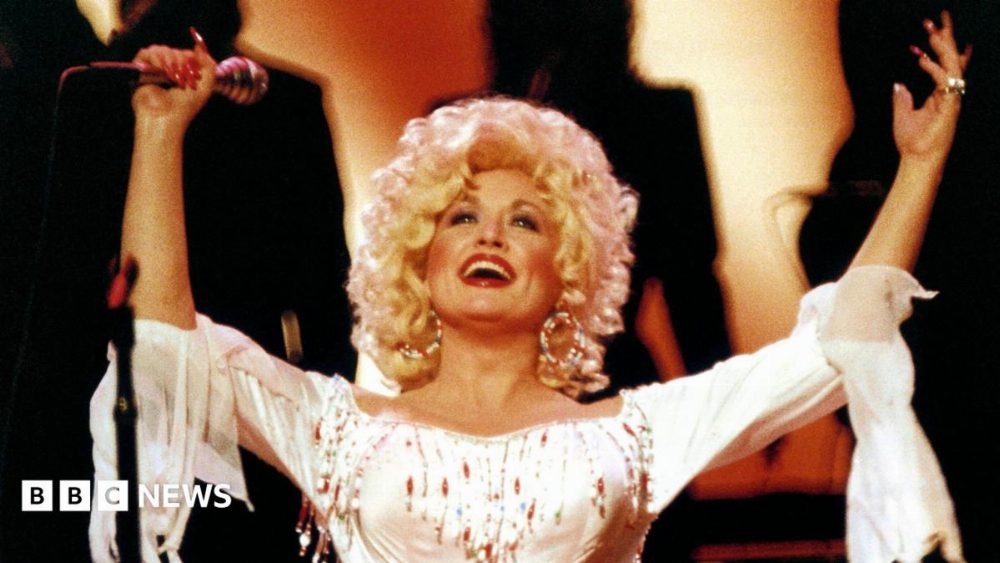
Dolly Parton, a beacon of resilience and creativity, left an indelible mark on the music industry that transcended the boundaries of genre and gender. In 1980, while working on her debut Hollywood film, 9 To 5, Parton found herself in a creative bind; her guitar was prohibited on set. Undeterred, she ingeniously began to create a rhythm by tapping her acrylic nails together, a sound reminiscent of the typewriter her character used. This sparked the creation of the film’s iconic theme song, which would go on to become a cultural anthem.
Released in November 1980, 9 To 5 not only soared to the top of the charts as Parton’s only solo US number one but also earned her an Oscar nomination for Best Original Song. The song's catchy refrain, "Working 9 to 5, what a way to make a living!" resonated with countless listeners, encapsulating the frustrations of working women everywhere. Parton’s lyrics addressed the stark realities of corporate life, highlighting the inequities faced by women: "It’s a rich man’s game, no matter what they call it / And you spend your life putting money in his wallet." Through her music, she gave a voice to the struggles of many, fostering a sense of solidarity among women.
Parton’s rise to fame was not without challenges. She began her career at just 13, earning the title of the "girl singer" on The Porter Wagoner Show. Over time, her talent eclipsed that of her mentor, leading to a split that was both personal and professional. Amidst legal battles over her song, "I Will Always Love You," she showcased her business acumen. When Elvis Presley expressed interest in covering the song, Parton refused to give up half the publishing rights, valuing her work over the allure of collaborating with a superstar. Her decision ultimately allowed her to retain ownership of her music, which later led to a windfall when Whitney Houston covered the song in 1992.
Parton’s legacy is rooted in her ability to blend heart, humor, and social commentary. Her songwriting often drew from her own experiences, turning everyday moments into poignant narratives. From "Coat of Many Colors," which tells the story of her humble beginnings and her mother’s love, to the autobiographical essence of her 1974 album My Tennessee Mountain Home, Parton’s music reflects her unwavering optimism and authenticity.
Throughout her career, she addressed issues of gender and class, challenging stereotypes and advocating for women’s rights. Songs like "Just Because I’m a Woman" and "When Possession Gets Too Strong" tackled themes of double standards in relationships with a candidness that was refreshing for her time. Even as she embraced her glamorous persona, she never shied away from discussing the realities of life, often using humor to underscore her messages.
Dolly Parton’s influence extends beyond her music; she inspired a new generation of artists, including Taylor Swift, who praised her "backbone of steel" in defending her worth as an artist. Parton’s commitment to her craft and her refusal to compromise her values set a precedent in the industry, empowering others to stand up for their rights.
As she navigated the complexities of fame, Parton remained grounded, often reflecting on her upbringing in a two-room log cabin. Her ability to transform hardship into art has left a lasting impact, proving that even in the face of adversity, it is possible to rise and inspire others. Dolly Parton’s story is one of heart, hope, and an unyielding spirit, and her music will continue to resonate for generations to come.
Source: www.bbc.co.uk