India Expands Defence Horizons by Involving Private Sector in Missile Production
By Editor • August 26, 2026 • 2 min read
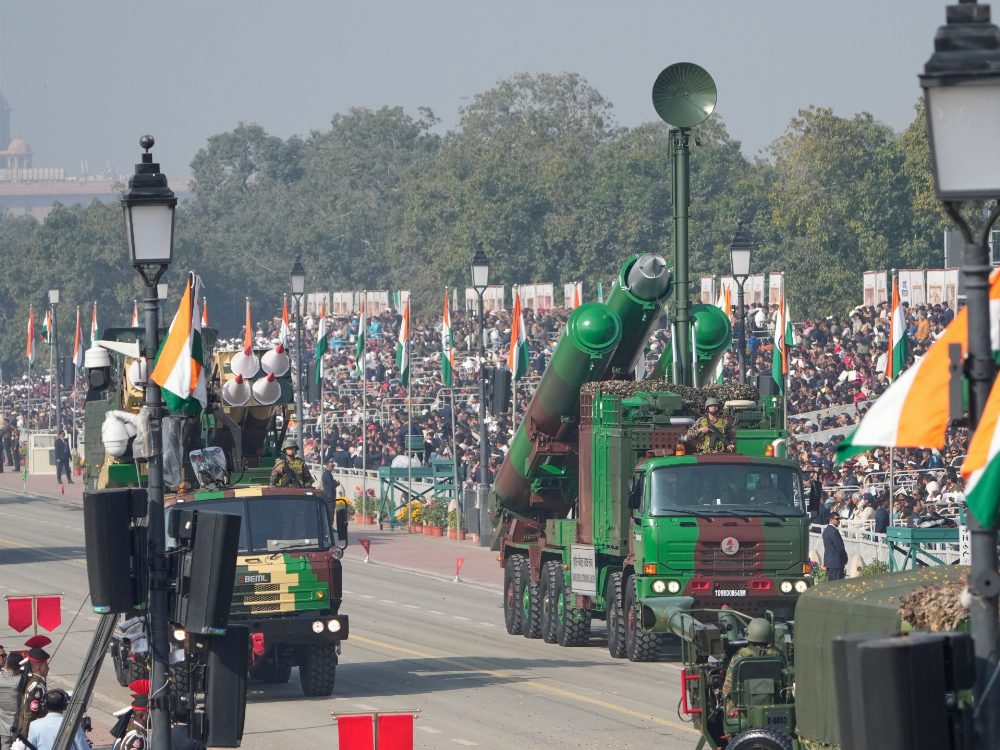
In a landmark decision, India is set to revolutionize its defence manufacturing landscape by allowing private companies access to critical missile technology. Defence Minister Rajnath Singh announced the approval for this significant technology transfer from the Defence Research and Development Organisation (DRDO) to the private sector, a move that is expected to enhance domestic production capabilities.
This strategic shift aims to transition missile systems from development phases to mass production more swiftly while reducing reliance on foreign imports. The Ministry of Defence emphasized that qualified Indian firms, including micro, small, and medium-sized enterprises (MSMEs), will now have the opportunity to manufacture conventional missile systems domestically.
With this development, private entities are not only expected to produce missile components, but they will also take on the role of prime integrators for these advanced systems, thereby breaking the long-standing monopoly held by state-owned companies like Bharat Dynamics.
Aditya Ramanathan, a research fellow at the Takshashila Institution, noted that this initiative covers a wide array of missiles, from surface-to-air and air-to-air missiles to more complex systems like land-attack cruise missiles. He described this shift as a major change in India's defence production strategy.
Historically, India's defence sector has been heavily reliant on state-owned enterprises, but the Modi government is pushing for greater self-reliance in defence production, encapsulated in the initiative known as Atmanirbhar Bharat. This approach is timely, given the shifting geopolitical climate, particularly concerning tensions with Pakistan and China.
India's defence budget has more than doubled since 2014, rising from $38 billion to $86 billion in the current financial year. This increase is driven by the need for enhanced preparedness following recent military skirmishes and the lessons learned from global conflicts, including the Ukraine war.
Ramanathan argues that the urgency for increased domestic production is paramount, especially as the military requires substantial stockpiles of missiles amid concerns over potential attrition in prolonged conflicts. The creation of a tri-services conventional missile force is also underway, further emphasizing the need for private sector involvement.
In addition to missile production, India is ramping up investments in military drones, with over 600 companies involved in this sector. Notable firms like Adani and Tata Advanced Systems are significantly boosting their production capabilities. Recent government approvals for military equipment purchases totaling $5.46 billion underscore the commitment to modernizing India's defence capabilities.
As India diversifies its defense procurement sources, moving away from a reliance on Russia towards partnerships with countries like the United States and Israel, private arms manufacturers are increasingly investing in missile and ammunition production facilities. Gautam Adani's company is planning a $315 million investment in missile manufacturing operations in Uttar Pradesh, highlighting the growing role of private industry.
Ultimately, the success of involving the private sector in missile production will hinge on government contracts and orders to ensure profitability and sustainability for these enterprises. As India moves forward, the focus remains on developing a robust and self-sufficient defense industry capable of meeting the nation’s security needs.
Source: www.aljazeera.com