Dolly Parton: The Unlikely Feminist Icon Behind the Rhinestones
By Editor • August 29, 2026 • 3 min read
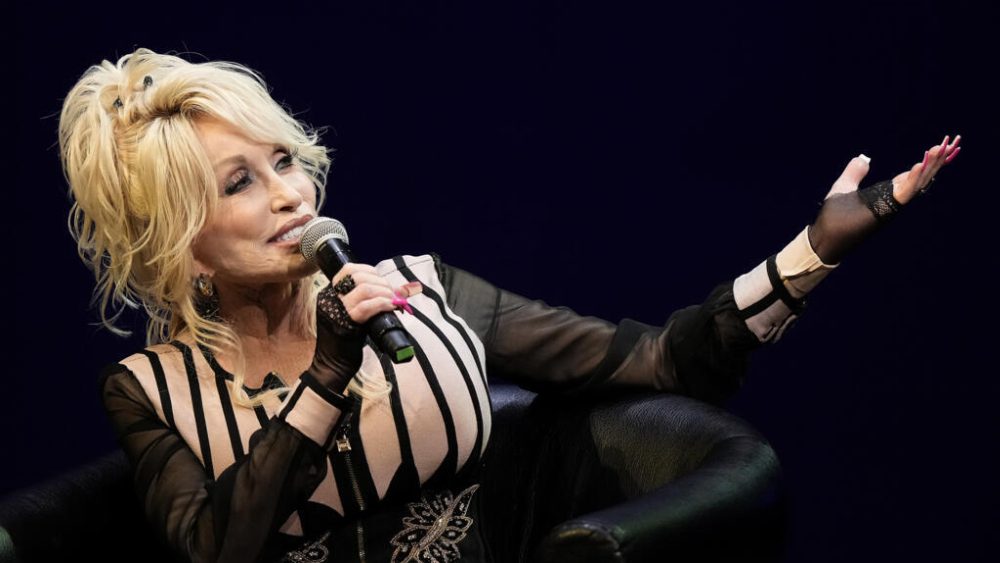
Dolly Parton, the beloved country music legend who passed away at 80, was celebrated not just as a singer and actress but also as a figure of empowerment, though she never explicitly identified as a feminist. As fans reflect on her legacy, many are recognizing her as a powerful symbol of feminine independence and strength.
Parton’s journey began in a world where she faced numerous obstacles, yet she carved out a space for herself that resonated with women everywhere. In the January 1987 issue of Ms. magazine, co-founder Gloria Steinem highlighted Parton among twelve notable women, noting her ability to uplift other women while also challenging societal norms. “If feminism means each of us finding our unique power, and helping other women to do the same,” Steinem remarked, “Dolly Parton certainly has done both.”
Though Parton shied away from the feminist label, her actions spoke volumes. Lynn Melnick, author of I’ve Had to Think Up a Way to Survive, emphasized that Parton's true impact lay in her ability to embody feminist ideals through her work and life choices. “She didn’t tell us she was a feminist,” Melnick said, “she showed us – in her actions and her words and in her songs.”
At the Newport Folk Festival in 2019, Parton delivered an unforgettable moment when she sang lyrics that challenged gender double standards, engaging the audience with her wit and relatability. This blend of humor and social commentary was a hallmark of her career, allowing her to connect with fans across political lines. Melnick noted, “One thing about Dolly is that no matter what side of the political spectrum you’re on, you think she’s with you.”
Parton's long marriage to Carl Dean, which lasted nearly 60 years, illustrated her belief in personal freedom within a partnership. They both respected each other's independence, with Dean famously declaring after attending an awards show for the first time that he preferred to support her from the sidelines.
Music writer Evelyn McDonnell pointed out how Parton’s glamorous looks acted as a facade that allowed her to express progressive views safely. “She took the objectification of being a pop star and embraced it,” McDonnell said, noting how this strategy enabled Parton to advocate for feminist issues without alienating her audience.
Parton’s contributions to feminist discourse can be seen in songs like “9 to 5,” which tackles workplace inequality and the struggles women face in their careers. Melnick points out that Parton addressed topics such as equal pay and reproductive rights within her music, often veiled in metaphor but resonating deeply with listeners. “She was just doing the work quietly, in her songs,” Melnick remarked.
Even songs like “The Bargain Store,” which was interpreted as controversial by country radio at the time, reflected her nuanced approach to storytelling and social issues. “I may have just what you’re looking for, if you don’t mind the fact that all the merchandise is used,” Parton wrote, illustrating themes of healing and resilience.
Parton’s impact transcended music; she represented a form of third-wave feminism, claiming the right to express herself in whatever way she chose. In a 1977 interview with Barbara Walters, she confidently addressed questions about her appearance and marital status, turning potential criticisms into affirmations of self-acceptance. “I know exactly what I am doing and I can change it at any time,” she asserted, embodying the essence of empowerment.
As the world mourns the loss of Dolly Parton, her legacy as a feminist icon—though unclaimed—resonates strongly. She showed through her life and art that being true to oneself can inspire generations of women to embrace their unique power.
Source: www.france24.com