Ebola Crisis in DRC: A Looming Catastrophe
By Editor • August 16, 2026 • 2 min read
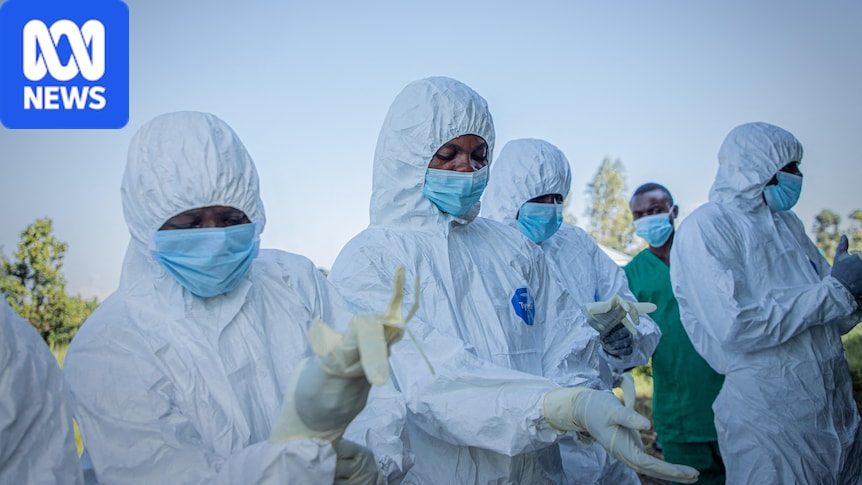
The ongoing Ebola outbreak in the Democratic Republic of the Congo (DRC) is alarming health officials worldwide, as it threatens to become the deadliest epidemic in history. According to Tedros Adhanom Ghebreyesus, Director-General of the World Health Organization (WHO), this outbreak is already the second-largest recorded and is spreading at an unprecedented rate.
As of Friday, the DRC has reported 2,214 deaths from 4,727 confirmed infections, with a staggering 85 percent of these cases occurring in the Ituri province, the epicenter of the outbreak. While this death toll is still far below the 11,308 deaths recorded during the West African epidemic from 2014 to 2016, the rapid pace of this outbreak poses grave concerns for health authorities.
Dr. Tedros highlighted that the current outbreak reached 250 deaths in just 37 days, significantly quicker than the West African outbreak, which took 78 days to reach that milestone. The speed at which the outbreak has escalated is not only alarming but also suggests that the true number of cases may be much higher than reported.
Compounding these challenges is the reality that many new cases are emerging from unknown transmission routes. In July, over 80 percent of new patients could not be traced back to known contacts, indicating a high level of community transmission that health authorities are struggling to control. The WHO has noted the importance of identifying these hidden transmission chains to mitigate the outbreak's spread.
Initial misdiagnoses of Ebola cases as malaria or typhoid in February may have allowed the virus to circulate undetected, further complicating containment efforts. Additionally, a lack of adequate testing supplies for this specific strain of Ebola, known as the Bundibugyo virus, has hampered timely diagnosis and isolation of suspected cases.
Health workers on the ground are facing overwhelming obstacles. Many are striking due to unpaid wages, exacerbating the already strained healthcare system. Reports indicate that some health facilities lack basic protective equipment, putting both workers and patients at risk. The situation is dire, with many healthcare workers having succumbed to the virus themselves.
Moreover, ongoing civil unrest in the region complicates the response to the outbreak. Armed groups, such as the M23 rebels and the Allied Democratic Forces, control much of the territory, making it difficult for health officials to reach infected communities. Suspicion towards government health workers has led to violent confrontations, further obstructing efforts to treat and contain the virus.
Traditional burial practices, which involve washing and touching the deceased, have also been identified as major contributors to the spread of Ebola. Despite efforts to promote safer burial practices, local resistance has led to violent incidents, including the destruction of health facilities.
As the outbreak continues to escalate, the DRC faces the challenge of curbing transmission both within its borders and to neighboring countries. With cases already reported in Uganda and a risk of spread to South Sudan, international observers remain on high alert. Without immediate and enhanced public health efforts, the DRC's Ebola outbreak could spiral into a catastrophic health crisis.
Source: www.abc.net.au