Clay's Creative Revolution: Redefining Branding in the AI Era
By Editor • August 13, 2026 • 3 min read
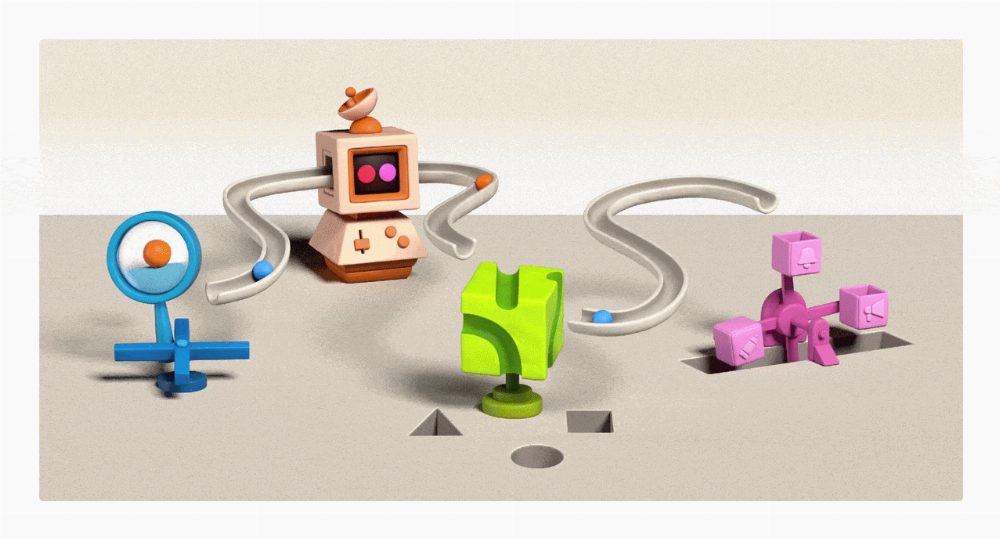
In a world where technology companies often lean towards sterile and geometric designs, Clay emerges as a refreshing outlier, championing a more human-centric approach to branding. Partnering with illustrator and animator Hudson Christie, the company is redefining its identity to reflect creativity and imperfection, a stark contrast to the generic aesthetics that dominate the tech landscape.
Clay, which serves high-profile clients like Anthropic and OpenAI, offers a go-to-market development platform designed to streamline automated revenue systems. However, its brand ethos prioritizes storytelling and craftsmanship over the prevalent trends in generative AI design. As creative lead Sara Lundberg emphasizes, "the real question is about caring about craft, putting in effort and evoking some sense of feeling." This philosophy is particularly vital now, as the internet grapples with a surge of uninspired AI-generated content.
Lundberg points out that the competitive edge lies in creativity and a commitment to quality, urging a departure from the often bland, AI-driven visual identities. Instead, Clay embraces a collaborative and playful approach, evident in the close-knit teamwork of its design squad, including Tanner Leslie, Justin Rands, and Ty Hughey. Each member contributes to crafting a distinctive visual narrative that stands apart from the crowd.
The addition of Hudson Christie to the team has further enhanced this unique vision. His claymation style injects a tactile warmth into Clay’s online presence. According to Christie, the need to refresh the brand’s homepage arose quickly, as their capabilities outgrew the existing design. His illustration philosophy revolves around simplifying complex concepts while introducing an element of surprise, which in Clay’s case, translates to a playful representation of its infrastructure.
Christie chose the Rube Goldberg machine as a central motif to embody Clay's offerings. He explains, "It’s impossible to express the idea of infrastructure without including multiple parts in some sort of complex interaction." This choice, while risky, ultimately serves to highlight the intelligence behind Clay’s services, transforming what could appear chaotic into something whimsical and engaging. Lundberg elaborates, stating that the machine’s interconnected nature mirrors the brand’s operational philosophy, where each component is meticulously designed to achieve a specific outcome.
While the Rube Goldberg concept could suggest complexity, Christie’s inviting illustrations ensure the brand's message remains accessible and fun. He acknowledges the challenge of maintaining a balance between the machine’s chaotic essence and the desire for a polished appearance. Yet, his work embodies a belief that imperfection is an asset, a sentiment he fully embraces as part of his role at Clay.
As the initial excitement surrounding AI-generated imagery fades, Christie argues that the unique quirks of human artistry will continue to resonate more deeply than the often unsettling results of machine-generated content. This organic imperfection creates a relatable and warm experience, a vital aspect of Clay’s brand identity.
Ultimately, the evolution of Clay’s visual language reflects a deeper commitment to human collaboration and creativity. Lundberg notes that the brand’s whimsical nature spans all levels of the organization, from playful ideas to innovative design elements. This collaborative spirit not only defines Clay’s identity but also fuels its ongoing creative exploration. As the brand continues to push boundaries, it remains focused on delivering quality and authenticity in a landscape increasingly dominated by AI.
Source: www.itsnicethat.com