Exploring Identity and Connection in 'Dreams in Nightmares'
By Editor • August 17, 2026 • 3 min read
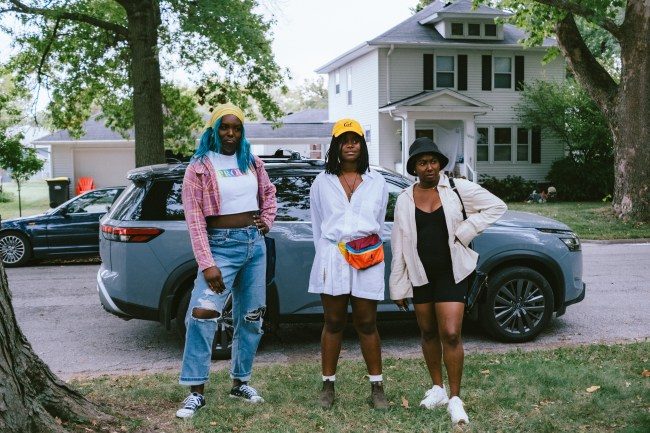
Shatara Michelle Ford's latest film, "Dreams in Nightmares," offers a fresh and poignant twist on the classic American road trip narrative, delving deep into themes of identity, friendship, and the struggles of marginalized communities. Set to release in New York City on August 21 and Los Angeles on August 28, with a wider roll-out in September, the film has already garnered attention for its compelling storytelling and rich character development.
At the heart of the film is Z (Denée Benton), a young woman haunted by recurring dreams of a bright, inviting landscape that she can never quite reach. Each time she approaches the light, she awakens, leaving her with a haunting question: What message are her ancestors trying to convey? This central theme of ancestral connection and the quest for belonging resonates throughout the narrative as Z navigates the complexities of her life alongside her friends Tasha (Sasha Compère), Lauren (Dezi Bing), and Kel (Mars Rucker).
As the story unfolds over 127 minutes, Ford masterfully intertwines personal dilemmas with broader societal issues, portraying the struggles of femme and queer women of color in a world that often feels unwelcoming. Z’s life is anything but simple; she faces career uncertainty after being laid off from her teaching position while managing her complex relationships, including a boyfriend (Charlie Barnett) who shares their bed with a non-binary partner (Malek Mouzon).
Tasha, still reeling from her own job loss despite holding an MBA, and Lauren, juggling multiple jobs to make ends meet, add layers to the narrative that highlight the financial and emotional toll of their situations. Their bond, forged during their college days, is tested by the absence of their friend Kel, who has mysteriously dropped out of contact. This absence looms large, prompting the trio to embark on a road trip to find Kel, a journey that becomes as much about self-discovery as it is about locating their missing friend.
The film’s road trip serves as a backdrop for exploring these deep-rooted questions of identity and community. Ford's direction is both intimate and expansive, using innovative cinematography from Ludovica Isidori that captures the characters' vulnerabilities. The camera often frames Z in a way that evokes tension, mirroring the horror of feeling watched and judged in a society that marginalizes individuals who are “different.”
As the trio travels from Pittsburgh to Iowa City and Kansas City, they encounter a series of vibrant experiences, including a lively performance in Pittsburgh and a chaotic dinner party hosted by Kel’s ex-girlfriend Sabrina (Jasmin Savoy Brown). These moments infuse the film with humor and warmth, contrasting the overarching tension of their quest. Yet, the core question remains: Where is Kel, and why has communication faltered among friends who once shared a close bond?
Ford’s film cleverly balances the joy of friendship with the darker realities of their search, ultimately leading to poignant revelations about connection, communication, and the challenges of understanding one another. The climax reveals a deeper truth about the nature of their relationships and the struggles they face, culminating in a resolution that resonates with the film's themes of hope and introspection.
In its conclusion, "Dreams in Nightmares" offers more than just answers; it creates a space for reflection and growth. The film's dreamlike sequences suggest that the journey is as significant as the destination, inviting viewers to consider their own paths and the legacies of those who came before them. Ford's work stands as an artistic statement, urging audiences to embrace the complexities of identity and the necessity of communication in forging meaningful connections.
Source: www.indiewire.com
#Dreams in Nightmares #friendship #identity #road trip film #Shatara Michelle Ford