Flock Faces Backlash Over Police Surveillance Practices
By Editor • August 17, 2026 • 2 min read
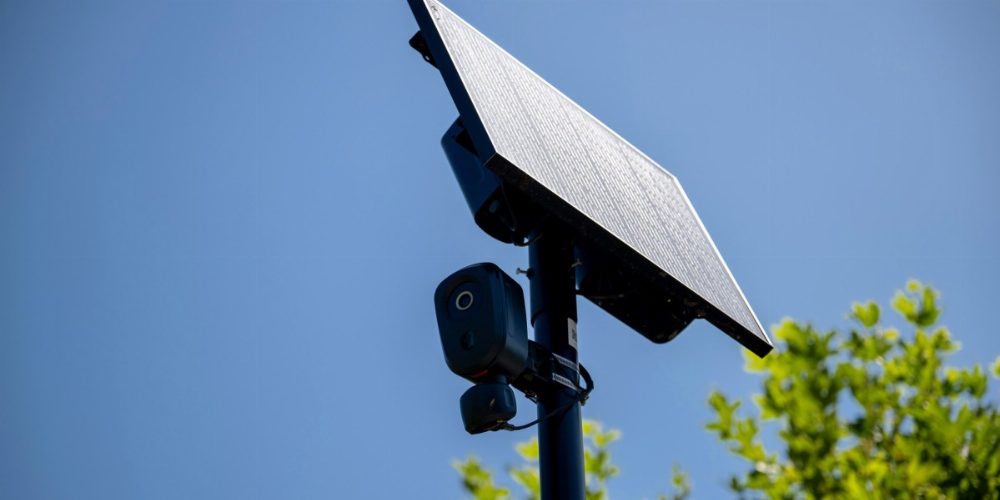
Flock, the police technology company renowned for its extensive network of 120,000 automatic license plate readers across the United States, has recently announced updates to its platform aimed at curbing misuse by law enforcement. The changes follow reports of officers abusing the system for harassment, particularly against women, including cases where ex-partners conducted repeated searches on their vehicles.
In response to these alarming incidents, Flock has implemented measures requiring officers to provide a legitimate case number when conducting searches. However, critics argue that these policies are riddled with loopholes, including the ability for officers to input fraudulent case numbers without verification. This raises significant concerns about the broader implications of Flock’s technology, which many fear is evolving into a tool for mass surveillance rather than a means of public safety.
Despite the claims from some supporters that Flock's systems aid in crime-solving, there is a critical discussion to be had about the nature of the crime-fighting framework Flock has established. The company’s approach reflects a series of choices regarding data collection, search permissions, and retention policies, essentially defining the balance between security and civil liberties. The question arises: should we accept these terms without scrutiny simply because the technology promises potential benefits?
Flock’s new requirement for officers to log case numbers before searches, while intended to ensure accountability, lacks an effective verification process. A more robust system might involve linking searches to verified records within police departments, thus creating a comprehensive audit trail. Moreover, while Flock touts its utility in locating missing persons, the framework could be refined further. For instance, searches could be restricted to circumstances related to active Amber Alerts, limiting the data accessed and preserving the system’s integrity during emergencies.
The volume of data collected by Flock and its retention duration also raises eyebrows. Currently, police can retain data for extended periods, even though Flock's own data indicates that most searches occur shortly after incidents. A more sensible approach might involve keeping data only for as long as it proves useful, which could help mitigate privacy concerns.
As public sentiment shifts, cities are beginning to reconsider their contracts with Flock, some opting for competitors or pausing to reassess the technology’s implications. This evolving landscape may empower communities to negotiate the acceptable balance between effective crime-fighting and individual privacy rights.
Source: www.technologyreview.com
#civil liberties #Flock #license plate readers #police technology #Surveillance