Florida Man Faces Felony Charges for Targeting 3D-Printed Decoy Camera
By Editor • August 25, 2026 • 3 min read
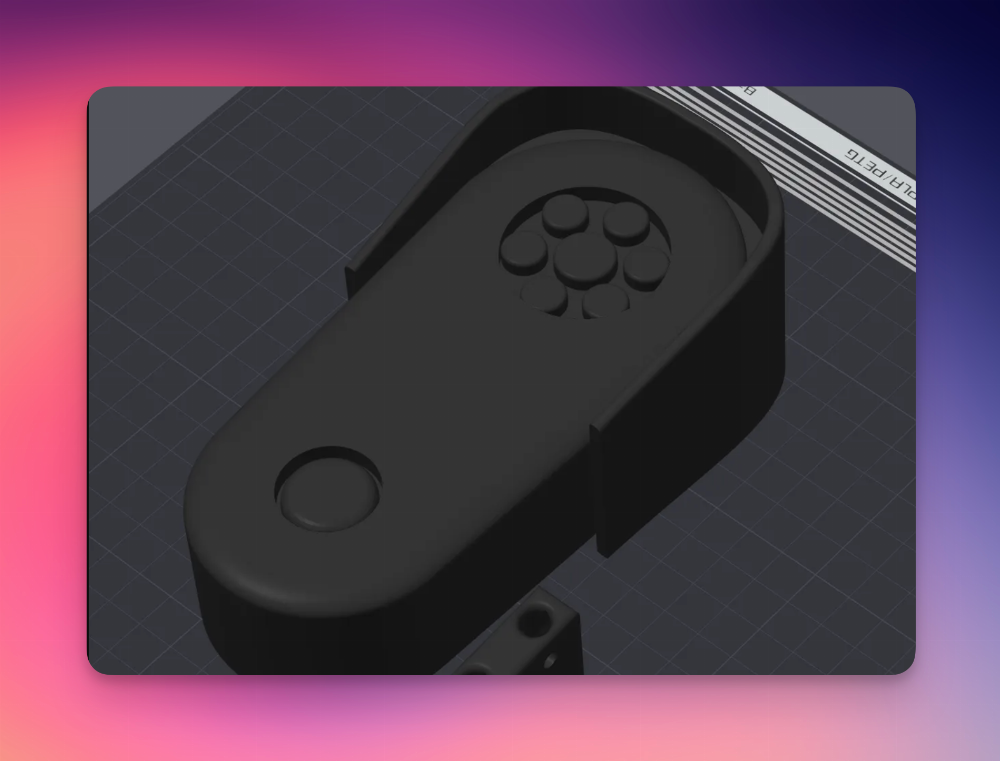
A recent incident in Oviedo, Florida, has turned heads after a man was charged with multiple felonies for vandalizing a 3D-printed decoy camera used by police to deter crime. The police department, in a bid to catch potential vandals, deployed fake Flock cameras crafted by an officer at home using a personal 3D printer. This unconventional tactic led to the arrest of Evan Meyer, who was caught cutting down one of these mock cameras.
The operation, aimed at combating a spike in thefts of actual Flock cameras, has drawn scrutiny for its lack of transparency. Oviedo's Mayor, Megan Sladek, expressed her surprise, stating she was "speechless" upon learning about the sting operation, which has been described as a significant escalation in the police department's efforts to safeguard their surveillance technology.
According to the arrest report, several Flock cameras were stolen during a brief window in late July and early August, prompting the police to create clones that closely resembled the originals but lacked the functionality and value. Although the decoy camera was made from inexpensive plastic filament, Meyer faces serious charges including attempted grand theft and criminal mischief, stemming from his assumption that the camera was worth between $1,000 and $5,000.
Meyer was apprehended shortly after midnight on Thursday after he used garden shears to knock the fake camera off its pole, subsequently smashing it. His belief regarding the camera's high value played a crucial role in the charges against him. The police report emphasized that Meyer, influenced by negative perceptions of Flock cameras, deliberately targeted the decoy closest to his home.
In the wake of this incident, Mayor Sladek revealed that she was unaware of the operation until it was reported in the news, raising questions about the police's decision-making process. She highlighted the importance of transparency, particularly in light of an ongoing discussion among city council members regarding the potential discontinuation of Flock cameras altogether.
In a Facebook post, Sladek noted the dual issues at play: the necessity of addressing vandalism and the implications of using decoy cameras amid a debate on their future. She expressed curiosity about the timeline of the operation, particularly whether the decision to create and deploy the decoy cameras coincided with the city council's discussions about discontinuing the Flock program.
The Oviedo Police Department has been tight-lipped about the details of the operation, claiming that the records related to the creation of the decoy camera are exempt from public release due to an ongoing criminal investigation. Despite requests for transparency, the department maintains that there are no documents, communications, or records pertaining to the decoy's design.
This incident bears resemblance to previous police endeavors, such as the infamous Amazon package sting operations, which failed to yield arrests. However, the Oviedo Police Department has defended its tactics, claiming that similar operations are conducted whenever there is a reasonable chance of success. Police Chief Dale Coleman clarified that the operation was approved and carried out lawfully, with officers monitoring the decoy cameras throughout the week.
As the community grapples with the implications of this sting operation, it remains to be seen how the case against Meyer will unfold, particularly given his belief that he was damaging a valuable piece of equipment. The conversation surrounding the use of surveillance technology in public spaces continues to evolve in this small Florida city.
Source: www.404media.co
#Evan Meyer #Flock cameras #Oviedo #police transparency #vandalism