Germany's Far-Right AfD Set for Historic Gains in Upcoming Elections
By Editor • August 26, 2026 • 2 min read
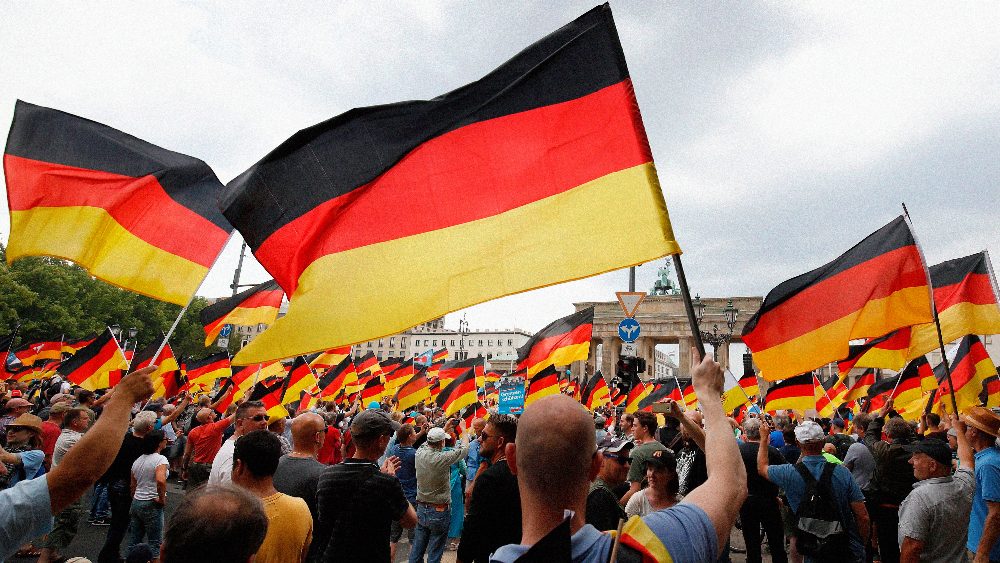
As Germany approaches a pivotal election on September 6, the far-right party Alternative for Germany (AfD) is on the brink of a historic breakthrough in Saxony-Anhalt, a state with a rich historical legacy. With polling showing the AfD surpassing 40% support, the possibility of gaining outright control of the state Parliament looms large, marking a potential first since the Nazi era for a far-right government.
The AfD, originally formed in 2013 as a euroskeptic party, has dramatically shifted to dominate the right-wing political landscape in Germany. Recent surveys indicate that over a quarter of voters nationally now favor the AfD, outpacing both the Christian Democrats and the Social Democrats. This surge in popularity is particularly pronounced in the eastern regions, where economic struggles and discontent with traditional political structures have fostered a fertile ground for the party's extremist views.
If the AfD secures its projected majority in Saxony-Anhalt, it could swiftly implement its controversial agenda. The scenario outlined by the Amadeu Antonio Foundation, an anti-racism NGO, paints a stark picture: an emergency remigration program could be enacted, revoking asylum and residence permits for convicted foreigners, and halting social benefits for Ukrainian refugees. Such drastic measures could prompt a significant shift in the state's political and social fabric.
The impending elections have set the stage for the Christian Democratic Union (CDU) to face a critical choice. Should they breach their longstanding policy against alliances with the AfD, or collaborate with the far-left Die Linke to prevent a far-right takeover? The CDU's historical resistance to forming coalitions with extremist parties may be tested, as the dynamics of German politics shift dramatically.
Andreas Rödder, a historian and former CDU official, underscores the gravity of the situation, noting that the party's past resolve has weakened as the stability of German politics is increasingly threatened. The AfD's rise reflects a broader trend of extremism across Europe, echoing movements in France, Britain, and Italy, where far-right sentiments are also gaining traction.
The backdrop of Saxony-Anhalt’s history adds layers of complexity to this political narrative. Once a prominent center for the Protestant Reformation and modernism, the region now grapples with the remnants of its past, including economic challenges stemming from post-reunification struggles. The lingering desire among some voters for a strong leadership is palpable, as they seek solutions to their discontent.
As the election nears, the implications of a potential AfD victory extend beyond local governance, posing significant questions about Germany's future direction and its role in European politics. The outcome in Saxony-Anhalt could set a precedent for how the far-right influences the political landscape in Germany and beyond, recalling historical patterns that have defined the nation for centuries.
Source: www.theatlantic.com