High-Level Diplomacy Unfolds in Tehran Amid Ongoing Tensions
By Editor • August 27, 2026 • 3 min read
In a bid to ease escalating tensions, Qatari Prime Minister Sheikh Mohammed bin Abdulrahman bin Jassim Al Thani arrived in Tehran on Thursday for crucial discussions with Iranian officials. His visit signals a growing urgency among regional mediators to reignite stalled negotiations between Iran and the United States, which have seen both sides adopt hardline postures in recent months.
During his meetings, Sheikh Mohammed, who also serves as Qatar's foreign minister, is expected to address the critical situation in the Strait of Hormuz, a vital waterway that has faced significant disruptions since early March. The strait has been largely closed to shipping, impacting global oil and gas supplies and contributing to a crisis in energy markets worldwide. The Qatari official aims to create conditions conducive to dialogue and restore the status quo prior to February 28, according to a spokesperson.
Qatar has emerged as a key player in mediating between Washington and Tehran, having facilitated a memorandum of understanding in June that briefly halted hostilities. However, that agreement has since lapsed. Alongside Sheikh Mohammed's visit, significant diplomatic activity has unfolded in Tehran, with Pakistan's army chief Asim Munir meeting with top Iranian figures, including President Masoud Pezeshkian and Chief Negotiator Mohammad Bagher Ghalibaf.
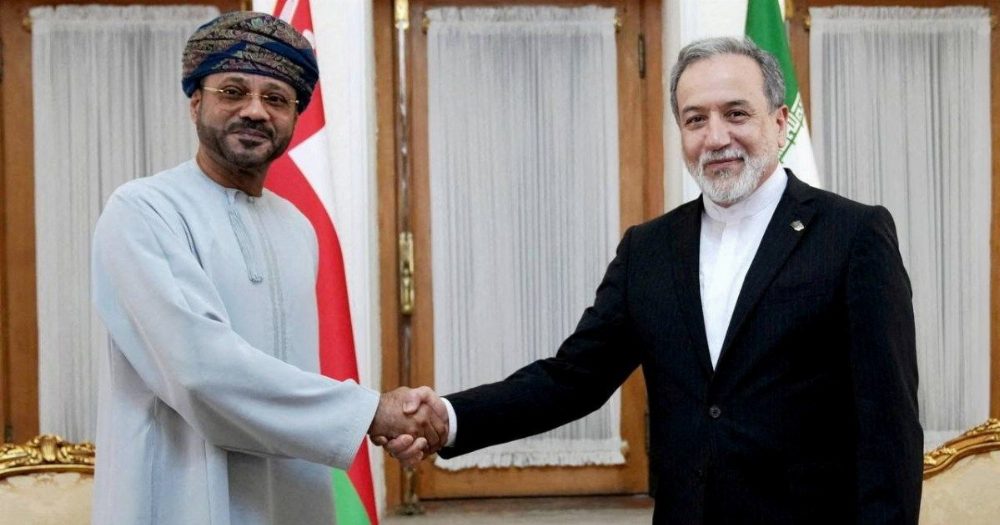
Additionally, Oman's Foreign Minister Badr Albusaidi held talks with his Iranian counterpart, Abbas Araghchi, focusing on the governance of the Strait of Hormuz. Following their discussions, Iranian Deputy Foreign Minister Kazem Gharibabadi announced a temporary shipping route that allows vessels to navigate through Iranian waters, although Iran insists that the strait will not reopen until the U.S. lifts sanctions and unfreezes Iranian assets.
Despite these diplomatic efforts, the conflict remains deeply entrenched. Officially, the U.S. and Iran are still at war, each claiming victory while both suffer economically. The Trump administration has pivoted to a strategy of increased economic pressure, with new sanctions targeting over 60 individuals and organizations across various sectors, including technology and shipping.
In a related development, the U.S. is preparing to return diplomatic staff to its embassies in the region, a move that some analysts interpret as a sign of confidence in the current diplomatic push. However, U.S. President Donald Trump has stated he is in "no hurry" to resume talks, emphasizing that economic and military strategies will be effective against Iran.
The situation in the Strait of Hormuz remains a focal point of contention, with Iran seeking to maintain control over the waterway that is crucial for global shipping. Experts warn that the presence of unexploded sea mines poses an additional hazard, despite Trump's claims of their removal. Meanwhile, the U.S. continues its blockade of Iranian ports, further complicating the economic landscape.
As high-ranking Iranian officials reiterate their distrust of the U.S., President Pezeshkian has suggested that Iran should pursue negotiations from a position of strength. However, he remains constrained by the authority of Supreme Leader Mojtaba Khamenei and the hardliners within Iran's military, who are skeptical of any concessions to the U.S.
While the recent flurry of diplomatic activity raises hopes for renewed dialogue, uncertainties loom over the effectiveness of these efforts in breaking the longstanding impasse between Iran and the United States.
Source: www.aljazeera.com
#diplomacy #Iran #Qatar #sanctions #Strait of Hormuz #United States