Revisiting Clarence Perry's Vision: The Roots of the 15-Minute City Concept
By Editor • August 27, 2026 • 2 min read
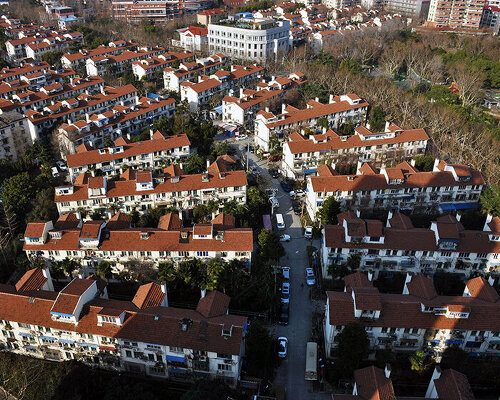
As urban planners increasingly advocate for sustainable, walkable cities, the roots of this movement can be traced back nearly a century to Clarence Perry's Neighborhood Unit. Introduced in 1929, Perry's innovative approach sought to create self-sufficient communities where essential services and amenities were just a short walk away from residents' homes.
Perry's model was born from the challenges posed by rapid industrialization and the rise of automobile traffic, which made city streets perilous for pedestrians. His vision was to create neighborhoods that prioritized safety and community cohesion by organizing living spaces, schools, parks, and local services around pedestrian-friendly designs. The Neighborhood Unit aimed for a population of 5,000 to 6,000, with civic centers at its core, fostering a sense of belonging.
However, while Perry's intentions were noble, the implications of his design were complex. The spatial boundaries he established to promote safety and community could inadvertently reinforce social and racial segregation. Critics like Reginald Isaacs highlighted how these fixed boundaries could lead to division within urban landscapes, making neighborhoods homogeneous and, in some cases, exclusive.
Moreover, Perry's focus on physical determinism—that the arrangement of spaces could dictate social interactions—has been challenged over time. Urban theorist Jane Jacobs argued that vibrant cities thrive on permeability and mixed uses, rather than rigid separations. This debate has evolved into contemporary planning concepts like the 15-minute city, introduced by Carlos Moreno in 2016.
The 15-minute city shifts the focus from static spatial arrangements to the dynamic experience of time. While Perry's model emphasized proximity based on fixed distances, Moreno’s vision advocates for a polycentric urban design where essential activities—living, working, learning, and enjoying—are accessible within a 15-minute walk or bike ride. This contemporary approach favors mixed-use developments that encourage active streets, fostering greater interaction among residents.
In essence, Perry's Neighborhood Unit laid the groundwork for discussions about urban accessibility, but the evolution to the 15-minute city marks a significant shift in how planners envision community interaction and mobility. As cities continue to grapple with the balance between safety, accessibility, and inclusivity, the lessons from Perry's early work remain relevant in shaping the urban landscapes of tomorrow.
Source: www.designboom.com
#15-Minute City #Clarence Perry #Neighborhood Unit #sustainability #urban planning