Hong Kong's Independent Bookstores Face Increasing Threats Amid Political Repression
By Editor • August 30, 2026 • 3 min read
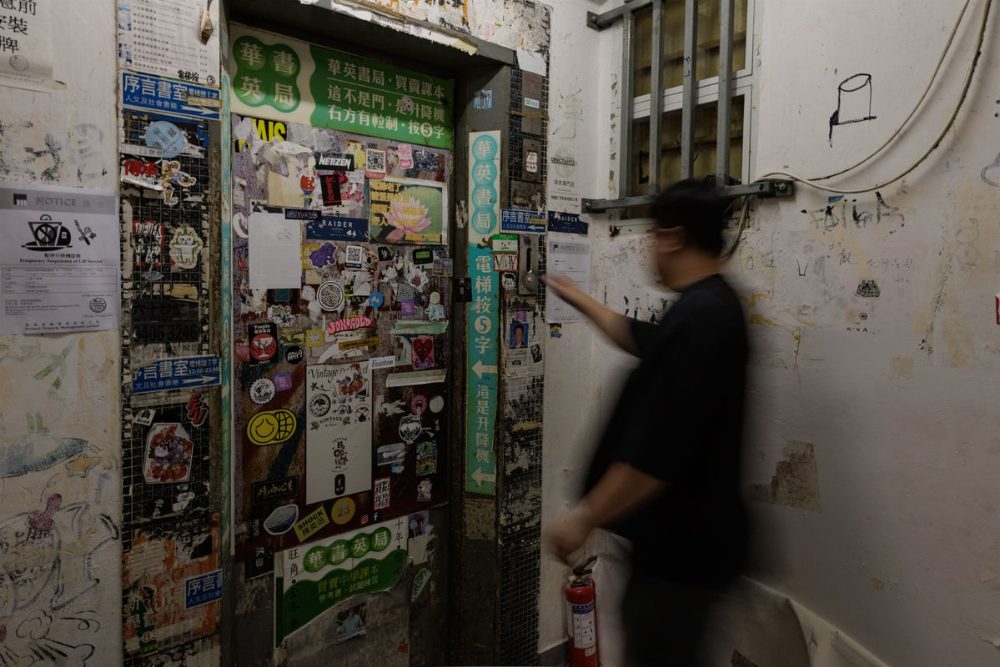
In the bustling streets of Hong Kong, independent bookstores have long served as sanctuaries for those seeking literature that diverges from the official narratives of mainland China. However, these precious havens are now under siege, as authorities tighten their grip on freedom of expression.
Fleming Cheng, a Chinese university student, experienced this firsthand when he stumbled upon the Greenfield Book Store. After navigating Beijing's internet censorship with a VPN, he was thrilled to find political books previously inaccessible to him. "I saw perspectives diverging from the mainland’s official narrative," Cheng remarked, reflecting on the titles that challenged the status quo.
Yet, this refuge is increasingly threatened by a series of police actions targeting booksellers under the guise of national security. The crackdown follows the implementation of a 2020 security law and intensified with the introduction of a 2024 law that criminalizes sedition. Greenfield was one of four bookstores raided within a mere four months, leading to its announcement of closure by the end of its lease.
Another bookstore, Have A Nice Stay, founded by former journalists, also cited “elusive red lines” and financial difficulties as reasons for its upcoming shutdown, occurring on the same day as Greenfield's police raid. Cheng expressed concern, stating, "If the Hong Kong government desperately tries to bring every aspect of the city into close alignment with the mainland, that would be a tremendous loss for us mainlanders too.”
The history of suppression in Hong Kong is not new; the 2015 disappearance of bookseller Lam Wing-kee and others from Causeway Bay Books serves as a stark reminder. Lam later revealed he was held by Chinese authorities, spelling trouble for the city’s literary landscape. Following the 2020 security law, many pro-democracy titles vanished from libraries, and the annual book fair saw independent publishers barred from participation.
Despite the mounting pressure, some booksellers continue to operate, albeit with caution. They are left to decipher vague regulations concerning seditious materials, as authorities have not specified which titles are banned. Secretary for Security Chris Tang stated that the law is clear, yet many booksellers feel vulnerable and uncertain about the implications of selling certain titles.
Amid these challenges, readers like Iris Wang from Guangdong appreciate the independent bookstores for their unique offerings. She noted that Hunter Bookstore encouraged critical thinking, a marked difference from the more compliant bookstores on the mainland. Brian Leung, another reader, reflected on the loss of character in the bookstores he cherished, stating, "Part of what I have grown used to in Hong Kong is lost again."
As the situation worsens, some hope lies in Taiwan, which has become a hub for Chinese-language publishing. Taiwanese publishers are stepping in to fill the void left by Hong Kong’s repressive atmosphere, releasing significantly more books on Hong Kong-related topics since the security laws took effect. However, logistical challenges have emerged, with reports of shipping restrictions complicating the flow of literature between the two regions.
For many, these independent bookstores symbolize more than just places to buy books; they are lifelines that connect readers to ideas of freedom and democracy. Yet, with increasing arrests and a chilling atmosphere, the future of these literary havens remains uncertain, leaving many to wonder how long they can continue to exist as beacons of hope.
Source: www.independent.co.uk
#freedom of expression #Hong Kong #independent bookstores #national security #political repression