How a Lavish Gift from Qatar Became a Burden for Trump
By Editor • August 25, 2026 • 3 min read
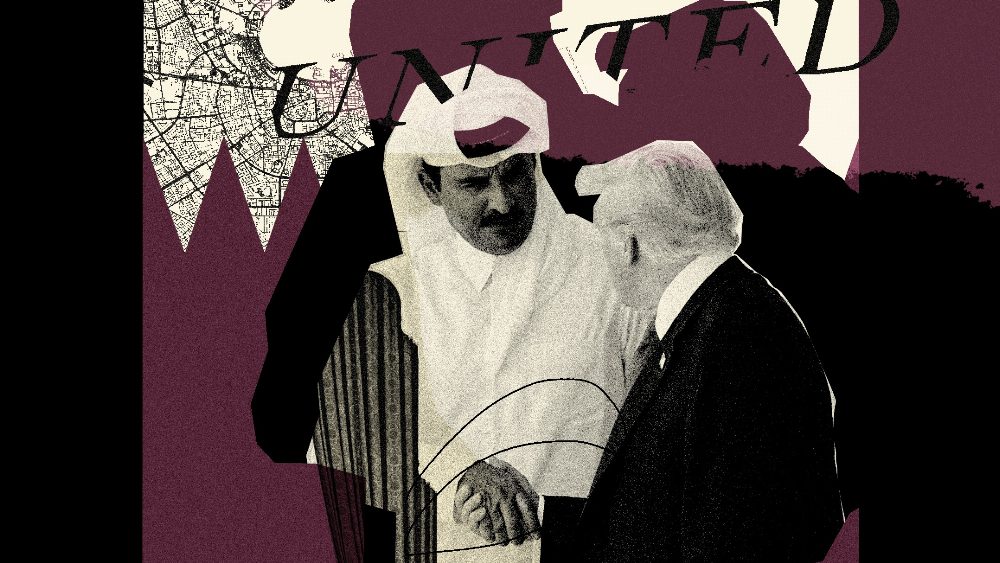
In a surprising twist of fate, a luxurious Boeing 747 gifted to Donald Trump by the Qatari government turned into a source of controversy and significant burden for the Gulf nation. Valued at $400 million, the plane was designed as a flying palace, featuring lavish interiors, including an en-suite master bathroom adorned with mother-of-pearl inlays. For Trump, who had long been enamored with opulent aircraft, this gift was particularly enticing.
The Qataris, fully aware of Trump's taste for extravagance, anticipated his interest in the aircraft, especially given his dissatisfaction with the aging Air Force One. They had been struggling to sell the jet for five years, but when they saw an opportunity to please the American president, they prepared to offer it as a donation rather than a sale.
However, the implications of this decision were far-reaching. The Qatari jet, which would require extensive modifications to meet presidential security standards, was framed as a gesture of goodwill. Despite the high operating costs associated with the plane, valued at around $25,000 per flight hour, the Qatari leadership agreed to the unusual arrangement, hoping to secure favor with the Trump administration.
This move, however, sparked a backlash in Washington. Many viewed the gift as an egregious example of corruption and a violation of constitutional norms regarding emoluments. Trump himself downplayed the controversy, suggesting on his social media platform that accepting such a gift was a no-brainer for the nation. Yet, critics argued that it was a blatant bribe, especially considering his intent to repurpose the plane for his presidential library.
For Qatar, the decision to give away such an extravagant gift was not without precedent. They had previously provided similar gifts to other world leaders, yet the scrutiny surrounding Trump's administration heightened the stakes. The Qatari leadership had hoped that the goodwill generated by their generosity would overshadow any negative press.
Despite their efforts, the repercussions of this deal became more pronounced as geopolitical tensions escalated. Qatar found itself in a precarious position after the United States launched an attack on Iran without notifying them, leading to retaliatory strikes that severely impacted Qatar’s natural gas facilities—its primary economic lifeline. The nation, which had long relied on its vast natural gas reserves, suddenly faced significant threats to its prosperity.
The irony is not lost on observers: a nation built on its abundant natural resources and diplomatic acumen is now grappling with the fallout from its relationship with a leader who, while initially seen as an ally, proved to be unpredictable and self-serving. The Qatari strategy of leveraging investments in American politics for security guarantees appears to have backfired, leaving them vulnerable at a time when they most needed protection.
As Qatar navigates this complex landscape, it serves as a reminder of the challenges faced by small states in the realm of international politics, especially those that rely on significant financial investments to secure their interests. What was meant to be a strategic alliance facilitated by a lavish gift has instead turned into a precarious situation, highlighting the unpredictable nature of global diplomacy.
Source: www.theatlantic.com
#Boeing 747 #Donald Trump #emoluments #geopolitical tensions #Qatar