ICE Implements New Rules on Deadly Force Incidents for Officers
By Editor • August 25, 2026 • 3 min read
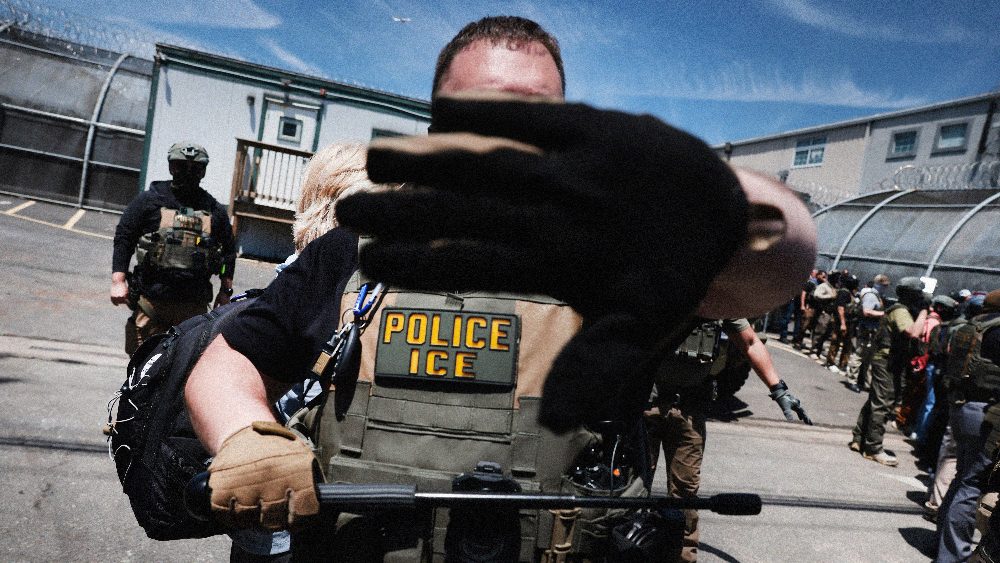
In a significant policy shift, the U.S. Immigration and Customs Enforcement (ICE) has instituted new rules regarding officers involved in incidents involving deadly force. Under the revised guidelines, which took effect this month, officers who discharge firearms or employ chokeholds must remain on administrative duty until investigations into their actions are completed. This marks a departure from the former protocol, which allowed officers to return to their regular duties as soon as three days after an incident.
According to two senior ICE officials who spoke on the condition of anonymity, the previous policy often pressured officers to quickly return to active duty, even if their actions were under scrutiny. The change aims to ensure that officers involved in potentially lethal confrontations, even if no fatalities occur, are monitored more closely during investigations.
This adjustment follows a troubling series of incidents, including two fatal shootings by ICE officers last month during traffic stops. The fatalities involved Lorenzo Salgado Araujo, a 52-year-old contractor from Mexico, and Johan Sebastián Durán Guerrero, a 25-year-old Colombian immigrant. While officials maintain that the shootings were in self-defense, they are currently being investigated at the federal level.
Concerns about the capabilities of new recruits, many of whom were rapidly trained and deployed last fall, have also influenced this policy change. The officer involved in the fatal shooting in Maine, David Brouillette, had reportedly faced mental health and behavioral issues that might have disqualified him from service. This situation has raised alarms within ICE about the training and readiness of its personnel.
In response to rising tensions and public scrutiny regarding traffic stops, ICE has also promised to accelerate the rollout of body-worn cameras for its officers. Although most of the cameras have been distributed, there is uncertainty regarding when all 15,000 deportation officers will be equipped with them. Following the Maine incident, former directives to limit nonemergency traffic stops were reversed after pushback from immigration hardliners.
In light of rising incidents of force, ICE leadership is exploring nonlethal alternatives, including a plan to spend up to $20 million on electrified gloves designed to deliver painful yet less severe shocks compared to traditional Tasers. These gloves will be assigned to officers engaged in traffic stops and other potentially volatile situations.
Former ICE officials have noted that the frequency of deadly force incidents has increased, contrasting with historical trends where such occurrences were relatively rare. Scott Shuchart, a former ICE official, remarked that extending administrative leave for officers involved in deadly force incidents signals an awareness of potential issues within the agency. However, he emphasized that ensuring effective oversight is critical to maintaining accountability.
Deborah Fleischaker, a former senior ICE official, echoed these concerns, highlighting that policy changes must be accompanied by robust internal mechanisms to ensure accountability. She pointed out that without meaningful oversight, the new rules could be ineffective in addressing the core issues related to the use of deadly force.
As ICE continues to navigate the complexities of immigration enforcement under the current administration, the ramifications of these new policies on officer conduct and public safety remain to be seen.
Source: www.theatlantic.com
#deadly force #ICE #investigation #law enforcement #policy change