India's Election Integrity Questioned Amid U.S. Voter ID Debate
By Editor • August 18, 2026 • 3 min read
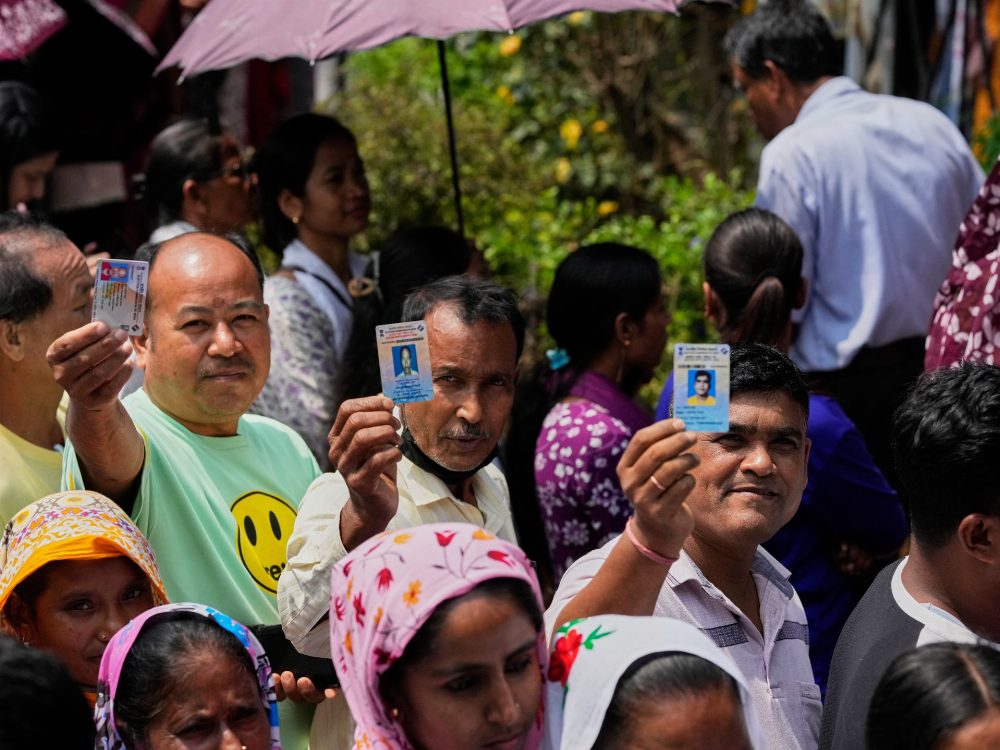
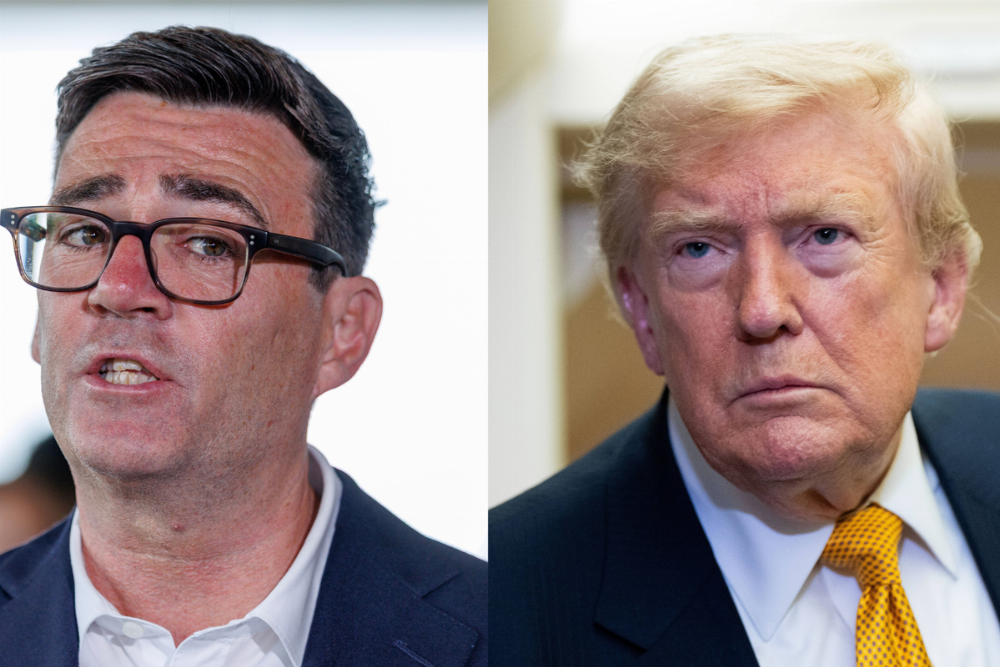
In a recent social media post, U.S. President Donald Trump hailed India’s election system as a paragon for implementing stringent voter identification laws in the United States. He pointed to the staggering figure of 646 million voters in India’s last election, asserting that less than 1% voted by mail and every voter was required to present a valid photo ID. Trump’s remarks come as he pushes for the SAVE America Act, a proposed legislation aimed at tightening voter registration and identification protocols in federal elections.
While India’s electoral framework is celebrated for its vast scale, the integrity of its electoral process has come under fire, especially under Prime Minister Narendra Modi’s administration. Critics have raised alarms about possible electoral roll manipulations and campaign irregularities, bringing the true cleanliness of Indian elections into question.
The SAVE America Act, which was passed by the Republican-majority House earlier this year, aims to mandate documentary proof of U.S. citizenship for federal election registrants and impose tighter ID requirements for voters. Advocates claim that these measures would enhance electoral security. However, the assertion of widespread voter fraud in the U.S. remains unsupported by substantial evidence, with studies indicating that most incidents stem from clerical mistakes rather than intentional fraud.
In contrast, the Indian Election Commission (ECI) oversees a voting process that registered nearly 970 million individuals for the 2024 general elections, with over 640 million casting their ballots. The introduction of photo ID requirements aimed to prevent identity impersonation has been in place since 1993, and the ECI maintains thorough electoral rolls for each constituency. However, concerns linger regarding the accessibility of the electoral process, as only select groups, including military personnel and individuals unable to vote in their assigned constituencies, can utilize postal ballots.
Allegations of electoral fraud have been persistent, particularly from opposition parties. Rahul Gandhi of the Congress Party accused the ECI of irregularities in the Karnataka constituency, claiming multiple instances of identical voter IDs. In a subsequent controversy, the Congress Party alleged that over 2.5 million votes were misappropriated during the Haryana state election.
Despite limited evidence for widespread fraud, analysts highlight that the focus on voter ID requirements detracts from deeper systemic issues regarding voter eligibility. In October 2025, the ECI initiated a contentious nationwide revision process to identify deceased and duplicate voters. This move has been met with criticism, particularly because it disproportionately affected marginalized groups, raising questions about the government's role in determining who qualifies to vote.
In West Bengal, for instance, the SIR process led to approximately nine million individuals losing their voting rights, with significant portions of those affected belonging to minority communities. Analysts argue that this exercise serves a political agenda, as it potentially disenfranchises those considered unfavorable to the ruling party's interests.
Political economist Parakala Prabhakar asserted that the ongoing revisions could lead to a divided electorate, creating a scenario where not all citizens have equal voting rights. He framed the situation as a strategy of exclusion, positing that the Modi government is implementing a form of disenfranchisement that is more insidious than violent purges seen in other global contexts.
Source: www.aljazeera.com