Iran Permits Iraqi Tankers Through Hormuz Amid U.S. Tensions
By Editor • August 22, 2026 • 2 min read
In a significant development regarding the geopolitical tension in the Middle East, Iran has announced it will allow several Iraqi oil tankers to transit the Strait of Hormuz. This decision follows repeated requests from Baghdad, as reported by Iran's state news agency IRNA on Saturday.
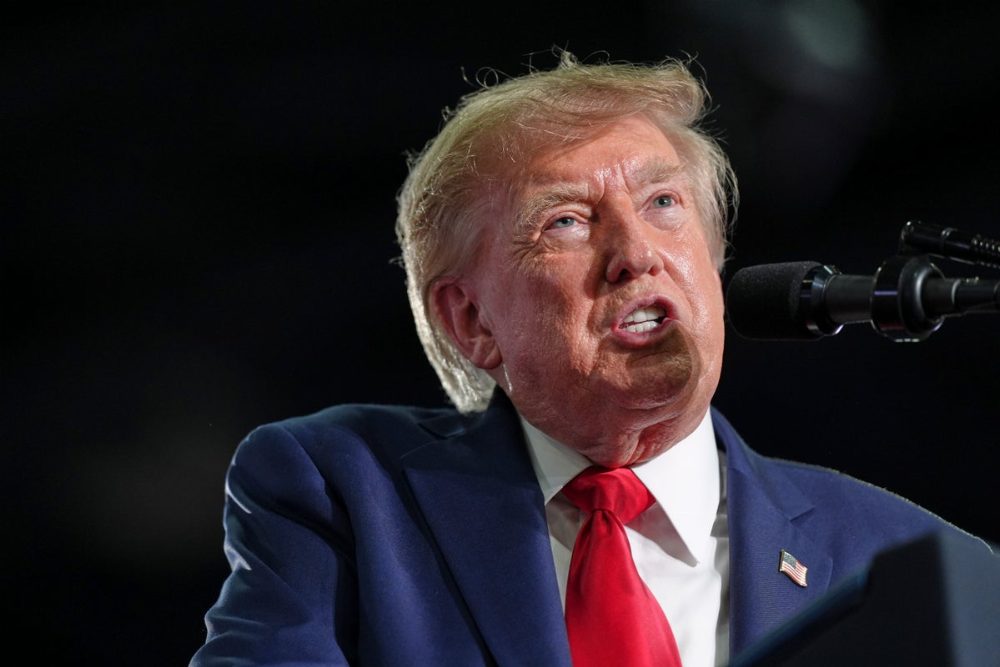
The agreement emerges in the backdrop of escalating rhetoric from U.S. President Donald Trump, who recently declared the Strait of Hormuz as "American territory." Trump has also emphasized his intent to impose what he described as "the toughest sanctions in history" against Iran, which he accuses of refusing to engage in constructive negotiations.
In response to these threats, Iranian officials have voiced strong opposition, with Foreign Ministry spokesperson Esmaeil Baghaei accusing the U.S. of practicing "economic terrorism" and asserting that the impending sanctions represent a claim of extraterritorial authority over independent nations.
Despite the ongoing hostilities, Iranian President Masoud Pezeshkian called for a resolution to the conflict, suggesting that now is the time to end hostilities while Iran maintains a position of strength. During a meeting with medical professionals, he stated, "It is better that we bring the war to an end now as we are in a position of power and dignity," highlighting the potential for diplomatic engagement.
The situation in the Strait of Hormuz, a critical passage for global oil shipments, remains tense. Iran has previously threatened to target unauthorized vessels attempting to navigate through the strait, contributing to a significant slowdown in oil transport. Since the onset of the conflict, which has persisted for nearly six months, both sides have refrained from direct military engagement, yet peace talks appear stagnant.
U.S. Treasury Secretary Scott Bessent is set to hold a press conference on Monday, where he may elaborate on the new sanctions targeting Iran and emphasize the necessity for cooperation from China, which imports over 80% of Iran's oil exports, according to data from Kpler. However, China has advocated for diplomatic solutions amid the rising tensions.
Moreover, the Iranian military has raised concerns regarding the health of detained Iranian pilots in Qatar, urging their transfer to a land hospital for better care. This situation adds another layer of complexity to Iran-Qatar relations, with Iranian officials claiming that the pilots are being held in unsatisfactory conditions.
Overall, as diplomatic channels remain strained, the international community watches closely to see how these developments will influence not only Iran and Iraq but also the broader dynamics of U.S.-Iran relations and regional stability.
Source: www.independent.co.uk