Iran's Threats to Europe: The Unfolding Geopolitical Tensions
By Editor • August 21, 2026 • 2 min read
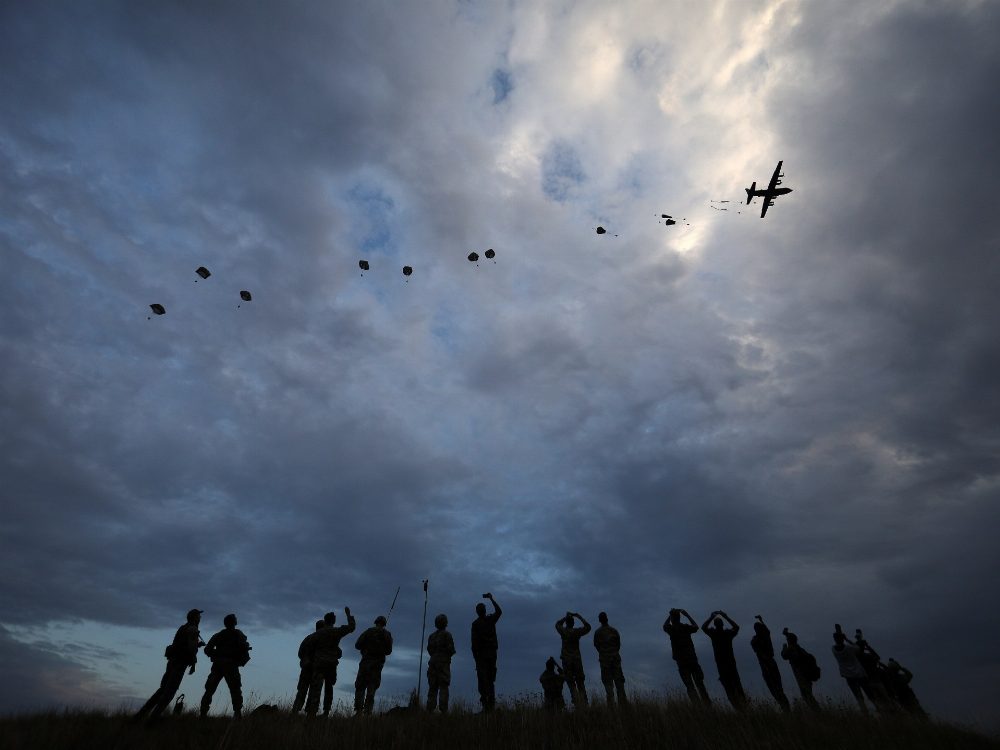
Amid escalating tensions between the United States, Israel, and Iran, the latter has recently turned its focus toward southeastern Europe, specifically Bulgaria. This shift comes after Bulgaria's parliament sanctioned the use of its Bezmer Air Base for the refueling of US military aircraft, a decision that has not gone unnoticed by Tehran.
Iranian Foreign Minister Abbas Araghchi has issued a stark warning: any nation supporting US operations against Iran will be viewed as a legitimate target for retaliation. This sentiment reflects a broader strategy, where Tehran is poised to extend its military reach beyond the immediate conflict zones, as indicated by its attempts to strike at targets even as far away as the Diego Garcia military base, situated over 2,300 miles from Iran.
Experts caution that southeastern Europe holds strategic significance, likening it to Europe’s “soft underbelly.” Armida van Rij from the Centre for European Reform notes that the region is vital due to its NATO bases and its role as a supply line to Ukraine, making it an attractive target should the conflict escalate further.
In Bulgaria, however, the war with Iran is perceived as distant. Journalist Angel Petrov emphasizes that the situation is overshadowed by the war in Ukraine, which Bulgarians consider more pressing. This perspective complicates Bulgaria's relationship with the US; as it faces pressure to support American interests, the Bulgarian government appears to lack the capacity to resist Washington's directives.
Should Iran choose to target the Bezmer Air Base, the implications could be severe. Such an action could drive a wedge between Bulgaria and the US, placing Sofia in an uncomfortable position where it bears the consequences of a conflict it views as peripheral. Analysts like Ali Bakir warn that an attack on Europe could inadvertently strengthen US narratives while isolating Iran further.
The potential for Iranian strikes on Europe raises significant concerns. An attack would not only deepen the military involvement of European nations but could also trigger Article 4 of NATO, compelling a collective defense response. This would transform Europe from a passive observer to an active participant in the conflict, a scenario that many European leaders are keen to avoid.
While Iran has refrained from direct strikes on European targets thus far, the risk remains. Iran's calculations are influenced by the need to maintain credibility and the potential fallout from any attacks that could escalate the conflict into a wider war with severe economic repercussions for Europe. As the situation evolves, the threat of a prolonged US-Iran conflict looms larger, potentially diverting attention and resources from the ongoing war in Ukraine.
Source: www.aljazeera.com