Jack O’Connell Stars in 'Ink': A Dark Dive into Tabloid Culture and Media Ethics
By Editor • August 26, 2026 • 3 min read
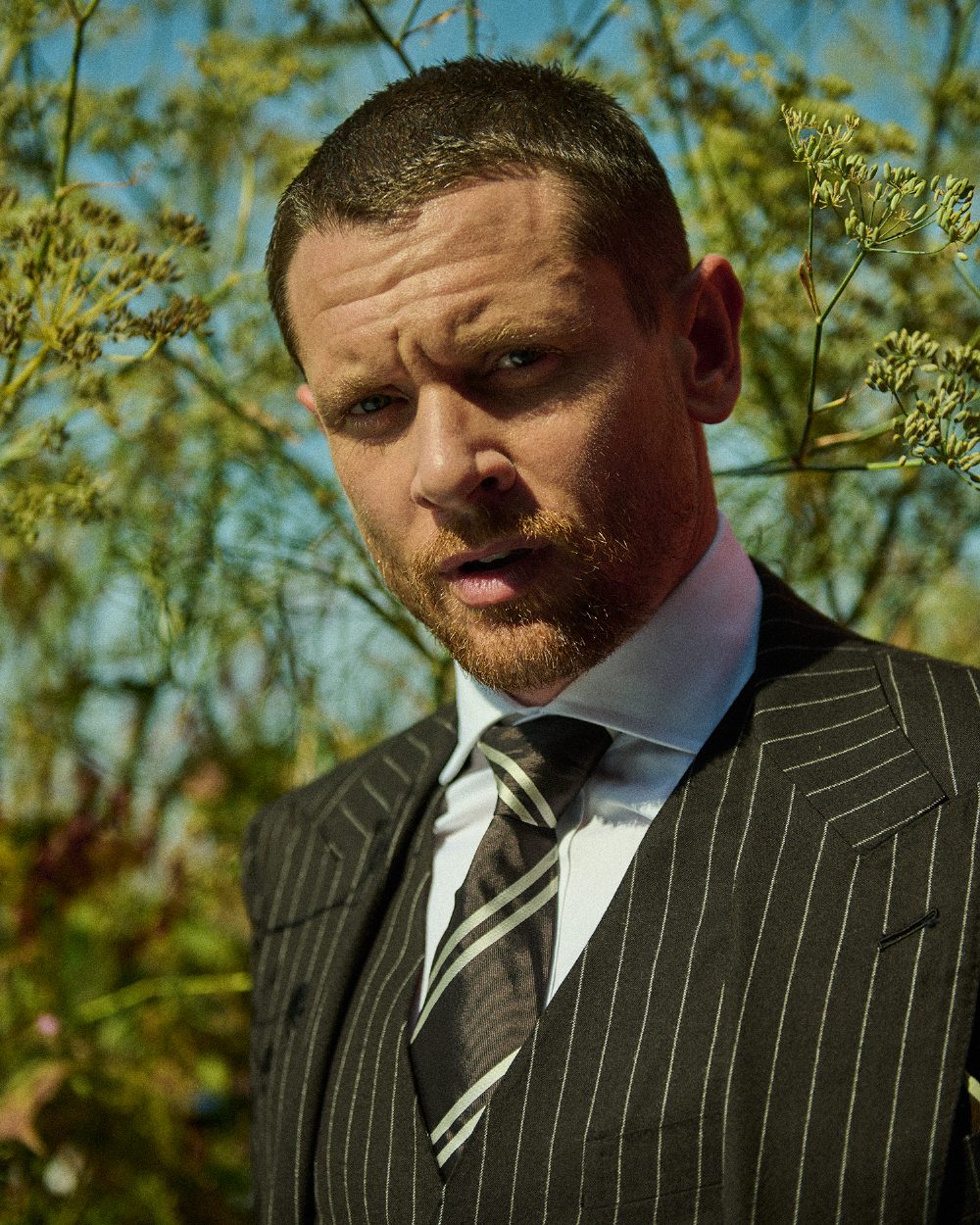
Jack O’Connell's latest role as tabloid editor Larry Lamb in Netflix's 'Ink' marks a provocative exploration of the dark side of media and the ethics of sensationalism. Directed by Danny Boyle, the film is set to premiere at the Venice Film Festival on September 2.
O’Connell, who has recently portrayed a vampire and a cult leader in other projects, describes Lamb as a character driven by a relentless obsession with sales figures. 'His prerogative is very simple,' he explains during a Zoom interview from London. 'He’s fixated on sales numbers and whatever it’s going to take to keep that figure rising. He’ll stop at nothing — and that means bending the rules. It was very naughty.'
Lamb, who was the editor of The Sun after being hired by Rupert Murdoch in 1969, is emblematic of the tabloid culture that prioritized sensationalism over journalistic integrity. Under his leadership, The Sun began publishing provocative content, including nude photos, to capture readers' attention. 'There’s something very seductive about these sins they’re packaging up and selling,' O’Connell reflects, pointing out the complexities of capitalism's role in media.
Boyle acknowledges the challenges of portraying Murdoch, stating, 'One of the dangers with doing anything about Rupert Murdoch is that everybody monsterizes him… We are all responsible for this.' The film does not shy away from critiquing how Murdoch's media empire has shaped societal views and behaviors, suggesting that readers share in the responsibility for the tabloid culture that has emerged.
In 'Ink', Murdoch, played by Guy Pearce, transforms from a figure of ridicule to a powerful media mogul, as he enlists Lamb to redefine journalism as entertainment. The film chronicles their rise and the impact they have on Fleet Street, a hub of British journalism, while also featuring Claire Foy as an astute journalist who plays a key role in their endeavors.
As the film prepares for its release amidst an evolving media landscape, it also captures a distinct political moment. With the U.S. midterm elections approaching, 'Ink' taps into contemporary political themes, marking a noticeable shift in how media narratives are approached. Unlike the Donald Trump biopic 'The Apprentice,' which struggled to find traction two years ago, 'Ink' is positioned to receive significant attention.
O’Connell, who has built a reputation for his depth as an actor rather than his off-screen persona, is eager to embrace this role. He reflects on his research into Lamb's character, recalling how he studied archival footage of the editor's appearances from the 1970s. 'Even if it was a 30-second piece of footage, there were so many colors,' he notes, emphasizing Lamb's larger-than-life persona.
Throughout the film, O’Connell's character grapples with ethical dilemmas, pushing his team to cover a kidnapping and murder case that directly impacts their newsroom. He incentivizes sensationalism by rewarding his staff for using engaging words like 'win,' 'free,' or 'love' on the front page, illustrating the connection between tabloid journalism and public fascination with scandal.
As 'Ink' delves into the origins of tabloid culture, it also questions the societal shifts that have occurred since the early 1970s, a time when genuine social change seemed possible. O’Connell suggests that the film raises critical questions about capitalism and how the quest for freedom has morphed into something less savory.
Ultimately, 'Ink' serves as both a cautionary tale and a reflection on the evolution of media, providing a thrilling look at how tabloid journalism has shaped public consciousness and ethics in the age of information.
Source: variety.com
#Danny Boyle #Ink #Jack O’Connell #Rupert Murdoch #tabloid journalism