Kruger National Park's Road to Recovery After Devastating Floods
By Editor • August 23, 2026 • 3 min read
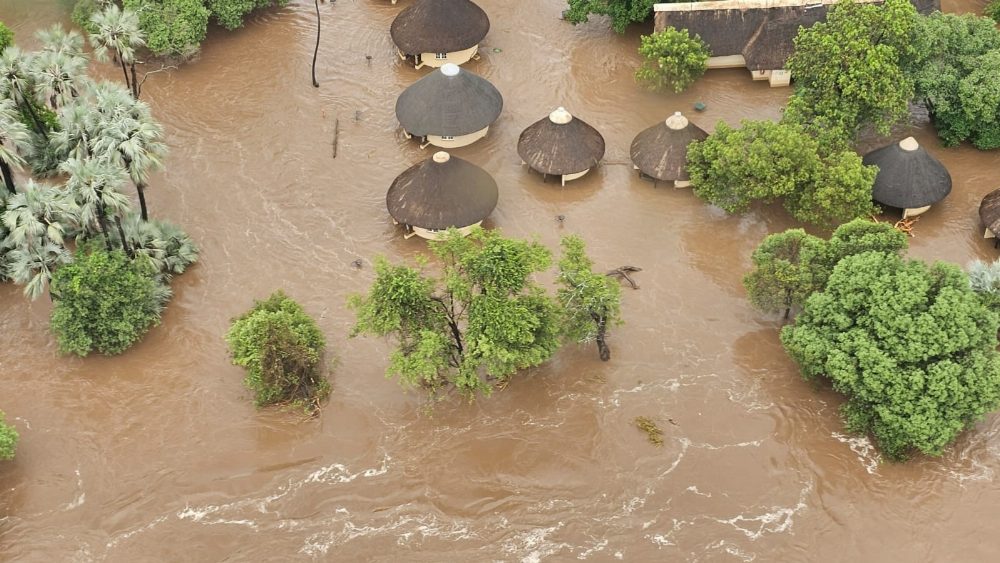
In the wake of catastrophic flooding in January, Kruger National Park is embarking on a bold recovery initiative that aims to not only restore its infrastructure but also enhance its resilience against future disasters. The park, renowned for its wildlife and natural beauty, suffered nearly R1 billion in damages as torrential rains swept through the area, leading to the evacuation of over 500 guests.
The deluge began on January 9, triggered by a low-pressure system over Mozambique that drew in moisture from the Indian Ocean. As the saturated air rose and cooled, heavy cloud formations developed, resulting in unprecedented rainfall. The South African Weather Service promptly issued a level 6 warning as rivers within the park, including the Sabie, Olifants, and Letaba, overflowed, inundating roads and cutting off access to various camps.
By January 16, the situation had escalated to a red-level warning, with substantial flooding wreaking havoc across one of Africa’s most iconic protected areas. This event marked a stark contrast to previous floods in 2000 and 2023, as multiple river systems breached their banks simultaneously, with the Letaba River surpassing its historical flood levels.
Despite the crisis, the park’s management, led by Managing Executive Oscar Mthimkhulu and Conservation Manager Danie Pienaar, quickly adapted. Thanks to a prior infrastructure vulnerability assessment, they managed to assemble a disaster response team, establish detour routes, and facilitate the safe evacuation of tourists from various camps, including Letaba and Balule. Remarkably, no lives were lost during the evacuation process, a testament to the team's efficiency and preparedness amid chaos.
As the floodwaters receded, the focus turned to recovery and rebuilding. Mthimkhulu emphasized the need for a strategic overhaul: “We realised we couldn’t just build back like before. This is going to happen again, and probably more frequently. We had to build back better.” The park, which attracts around two million visitors annually, relies on its infrastructure not just for tourism but also for its conservation efforts. Thus, restoring access routes became a top priority.
The damage report indicated that the cost of repairs could reach R949.86 million, with a significant portion of the expenses tied to management roads—essential pathways for rangers engaged in anti-poaching and conservation tasks that are often overlooked by tourists. Pienaar noted, “Of the R1 billion we need, more than half is for management roads, which nobody sees or drives on – but we feel it.”
Efforts are being led by Bharat Gulab, the programme manager for infrastructure and technical services, who is currently managing the rebuilding process. Gulab highlighted the need for durable and innovative solutions, stating, “Our infrastructure has to be resilient to the changes we’re seeing in weather patterns. If we simply rebuild what was there before, it will go in the next flood.”
The park’s reconstruction plans include redesigned culverts and bridges capable of withstanding future floods. Temporary routes have been established to reconnect isolated areas, ensuring that visitors can return while permanent repairs are underway. However, delays in insurance claims and regulatory approvals have complicated the restoration efforts, with some funding not yet secured.
As the Kruger National Park navigates this challenging recovery, the commitment to enhance its infrastructure and prepare for future climate challenges remains steadfast. With the right investments and strategic planning, the park aims to emerge from this crisis not only stronger but also as a model for resilience in the face of natural disasters.
Source: www.dailymaverick.co.za
#flood recovery #infrastructure #Kruger National Park #South Africa #wildlife conservation