Early Termination of UK Climate Aid Project in Bangladesh Sparks Concern
By Editor • August 23, 2026 • 3 min read
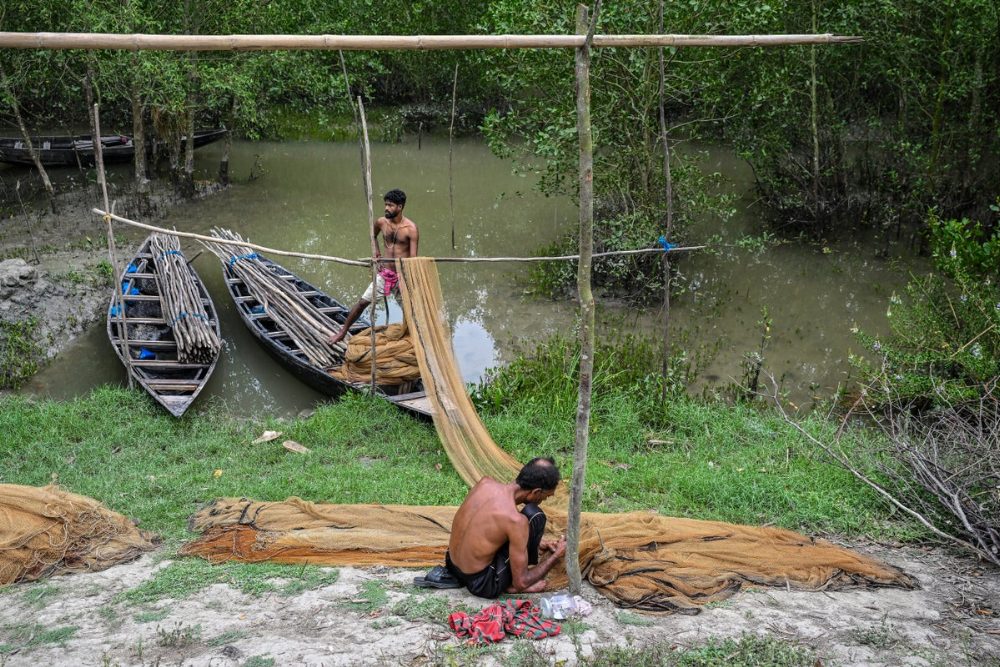
A UK-funded climate initiative in Bangladesh is set to close prematurely, leaving thousands without crucial support as cuts to foreign aid take their toll. The project, spearheaded by the charity Practical Action, was designed to enhance the livelihoods of communities in the Sundarbans, a UNESCO World Heritage Site and the world's largest tidal mangrove forest.
Launched in early 2023, the project aimed to provide solar power systems, climate-resilient agricultural practices, and early warning weather systems, ultimately benefiting around 57,000 individuals. However, due to a reduction in funding from the UK Foreign, Commonwealth and Development Office (FCDO), the initiative will now cease in September 2024, two years ahead of schedule, and is expected to reach only 37,000 people.
Tamanna Rahman, the climate resilience lead for Practical Action Bangladesh, expressed deep concern over the abrupt ending of the project, emphasizing that it jeopardizes not only their hard-earned reputation within the community but also the long-term success of their climate interventions. The initiative was projected to receive £2.2 million by 2026, yet actual funding has fallen significantly short.
The cuts come as part of a broader reduction in the UK’s foreign aid budget, which is expected to drop from 0.5% to 0.3% of Gross National Income. Critics argue that such measures represent a “moral catastrophe,” particularly as they affect vital climate projects in developing nations.
Communities in the Sundarbans are already grappling with the impacts of climate change, including rising sea levels and increasingly severe storms. Rahman highlighted the urgent need for sustained support in these areas, stating, “Every year we are seeing more severe storms and cyclones, while the sea is rising and soil is becoming salinated.”
Labour MP Sarah Champion, chair of the International Development Committee, criticized the government’s decision to cut the funding, questioning the UK's commitment to aiding low-income countries in their climate adaptation efforts. She noted that such actions could undermine the UK’s reputation as a dependable partner in global climate initiatives.
The Sundarbans, home to diverse wildlife including endangered species, harbors communities that have traditionally relied on the forest for their livelihoods. Many residents are still recovering from the devastation caused by Cyclone Aila in 2009, which displaced thousands and changed the landscape of the region forever. For villagers like Bina Mondal, who received support in the form of a solar panel, the project has been transformative, enabling her to work after dark and increase her income from fishing.
However, the early termination of the project has left many in the community feeling despondent. Practical Action’s interventions, which included training for local entrepreneurs, are now at risk of falling flat, potentially returning these individuals to a state of economic vulnerability.
Rahman pointed out that the project’s abrupt end leaves little room for a proper exit strategy, noting, “Having two to three months' notice to wrap things up when it was very clear that the project was to continue until December 2028 has been very difficult.”
As discussions continue regarding the UK’s foreign aid strategy, the situation in Bangladesh raises significant questions about the future of climate funding and the effectiveness of partnerships with private investors in addressing the needs of the most vulnerable populations.
Source: www.independent.co.uk
#Bangladesh #climate change #Practical Action #Sundarbans #UK aid