London's Day Party Revolution: A New Era of Celebration
By Editor • August 29, 2026 • 3 min read
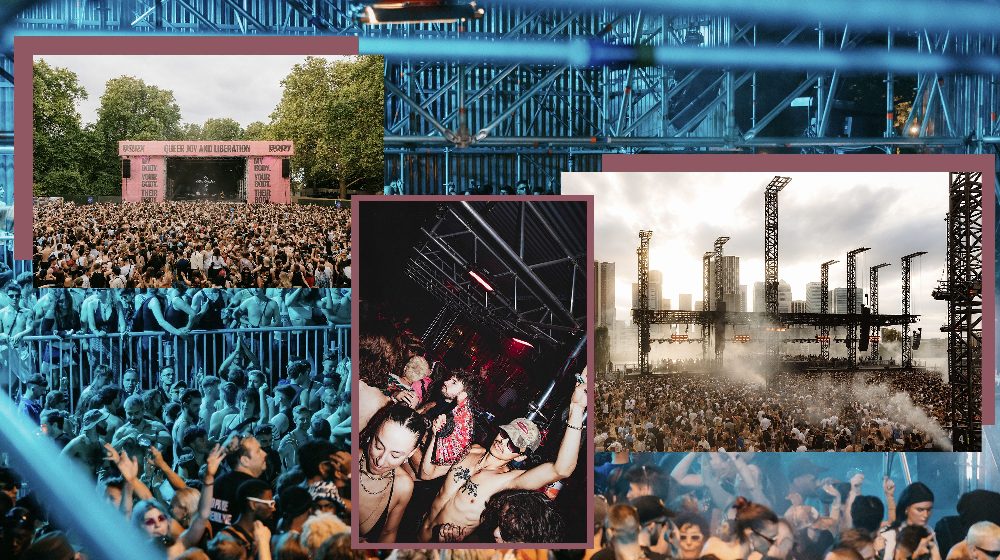
As night falls across London, a vibrant shift is occurring in the city's music scene. Once synonymous with late-night revelry and clubbing, London is now becoming the epicenter of day parties, where revelers can dance under the sun and still make it to bed at a reasonable hour.
Having transitioned from the muddy fields of UK music festivals to the urban dance floors, many are embracing this new trend. The rise in daytime festivities reflects not just a change in personal preference but also a response to the challenges faced by nighttime venues. With reports predicting that 57% of London’s pubs and clubs might close by 2030, the city’s nightlife is at a critical juncture.
Luke Huxham, managing director of Broadwick Live, attributes this shift to a mix of factors including rising operational costs and the aftermath of the pandemic, which has reshaped nightlife as we knew it. “It’s less about law and more an accumulation of challenges,” Huxham notes, emphasizing that the nightlife industry is evolving in response to these pressures.
This evolution is not merely about adapting to difficulties; it also reflects a broader cultural shift. Huxham observes a change in how people want to socialize, with many opting for experiences that allow for a healthier lifestyle. DJ Moxie, who straddles both late-night and daytime scenes, echoes this sentiment, stating, “It’s not for everyone,” highlighting the appeal of early-night festivities.
Figures like Simon Denby, co-founder of Body Movements, elucidate the intricacies involved in crafting day parties. He emphasizes the importance of thoughtful design in space, lighting, and ambiance, which are crucial in transitioning from day to night festivities. The creativity involved in day parties allows for an experience that evolves with the setting sun.
Among the prominent events in the city, the Body Movements Festival stands out as a celebration of queer art and culture, while other establishments like Field Day and Mighty Hoopla contribute to the diverse tapestry of daytime events. Newcomers like Rally are also gaining recognition for their exceptional programming and atmosphere.
Interestingly, the day-party scene does not threaten the nightlife but rather complements it. Maya Jane Coles, a London-born DJ and producer, emphasizes that day parties have always existed, suggesting they offer something for everyone without detracting from the traditional late-night experience.
As the conversations around London’s nightlife evolve, there’s a sense of optimism among those in the industry. Glyn Fussell, co-founder of Mighty Hoopla, envisions a future where joy and silliness thrive, suggesting that London’s nightlife can continue to grow and adapt through new formats.
Ultimately, the rise of daytime parties in London signals a transformation rather than an end. Luke Huxham believes this new chapter in the city’s party culture can coexist with traditional nightlife, creating a more inclusive ecosystem for all forms of celebration. As the city continues to reinvent its relationship with music and community, it’s clear that London is not moving away from nightlife; it’s simply discovering new ways to enjoy it.
Source: www.cntraveller.com
#day parties #DJ culture #London #music festivals #nightlife