Mingei Movement Marks a Century of Celebrating Craft and Utility
By Editor • August 16, 2026 • 2 min read
The Mingei movement, which celebrates the inherent beauty of everyday objects, is commemorating its centennial. Founded by Japanese philosopher Sōetsu Yanagi in 1925, Mingei emphasizes the artistry in utilitarian craft, resonating with creators from diverse backgrounds, including English potter Bernard Leach and American artist Theaster Gates.
Yanagi's vision was inspired by British thinkers John Ruskin and William Morris, who advocated for the Arts and Crafts movement, alongside potters Shoji Hamada and Kanjiro Kawai. As mass-produced items infiltrated Japan in the early 20th century, Yanagi highlighted the value of anonymous craftsmanship. He defined Mingei, or folk crafts, as practical items, made in large quantities by artisans using local materials, embodying cultural traditions and knowledge.
The Japan Folk Crafts Museum, established in Tokyo in 1936, showcases around 17,000 artifacts that illustrate this philosophy. The collection spans ceramics, textiles, and woodwork from Japan and beyond, emphasizing how folk art emerges from daily life. With regional variations reflective of local climates and needs, many traditional crafts continue to thrive in Japan.
Japan's long history of national isolation from 1639 to 1854 during the Edo period allowed these crafts to endure; trade and foreign influence were significantly limited, delaying industrialization. This preservation of traditional crafts set the stage for the Mingei philosophy to emerge as a counterpoint to the encroaching industrial age.
As Japan transitioned into the Meiji period, the push for modernization aimed to adopt Western industrial practices. This backdrop of rapid industrialization highlighted the need to recognize the value of craftsmanship. Naoto Fukasawa, a renowned industrial designer and Director of the Japan Folk Arts Museum, asserts that contemporary design should prioritize functionality over self-expression, aligning closely with Mingei principles.
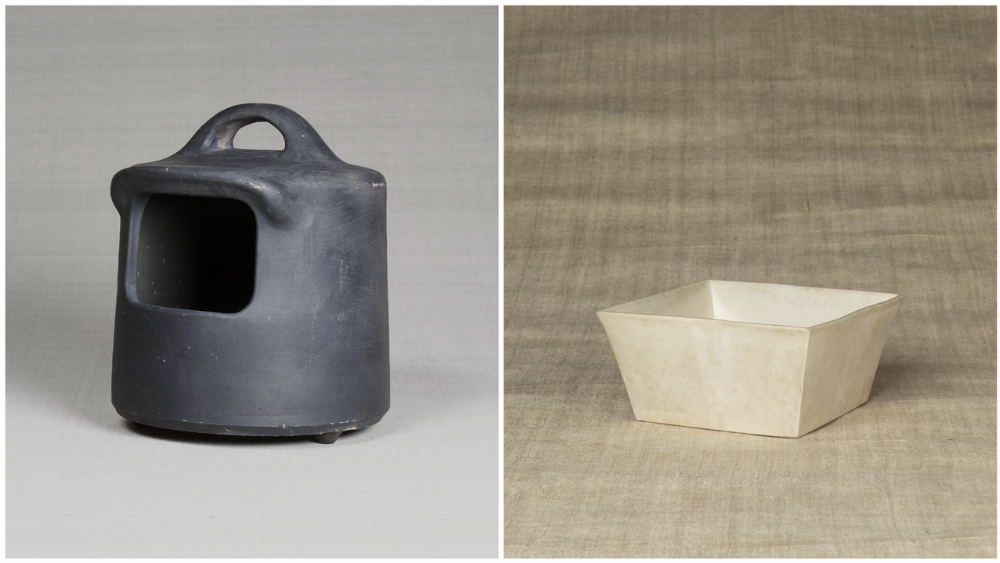
Fukasawa notes that many designers from around the world visit the museum to draw inspiration from Mingei's ethos. He emphasizes that while technology may take over certain tasks, the unique imperfections of handmade items continue to captivate people. He reflects on a favorite piece in the museum: a ceramic brazier used by fishermen. While it could be replicated today, the thoughtful design that addresses the warmth needs of fishermen is a testament to human creativity.
Source: www.wallpaper.com
#craftsmanship #design #folk art #Japan #Mingei #Naoto Fukasawa