Moscow's Bluster: Putin's Threats to the UK Lack Substance
By Editor • August 21, 2026 • 1 min read
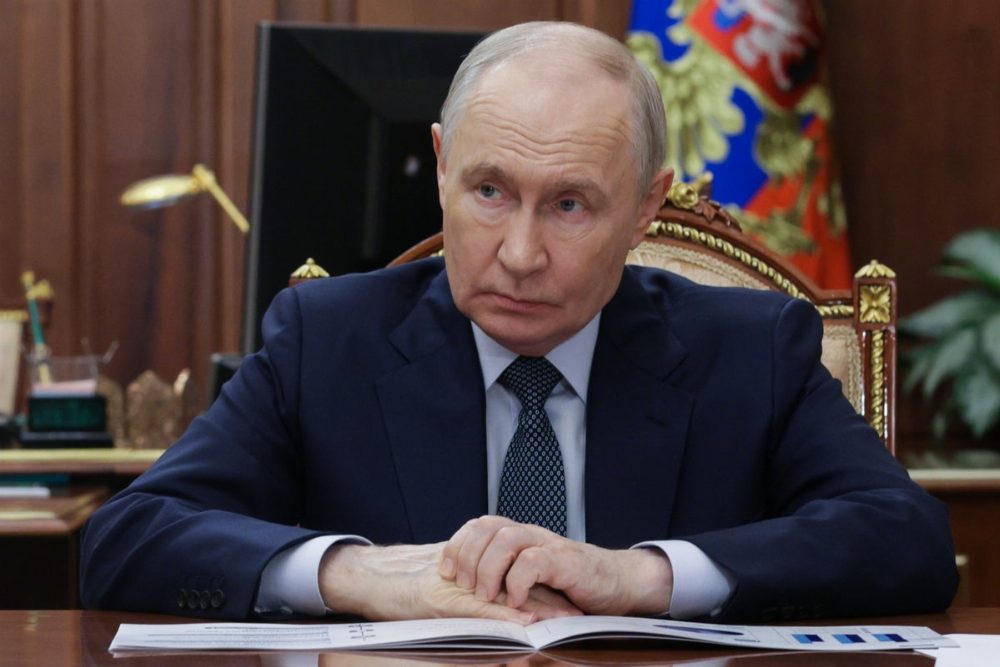
The Kremlin's recent threats against the UK, particularly surrounding its support for Ukraine, have become a familiar refrain, echoing Russia's long-standing strategy of posturing without real intent. Katia Glod, deputy head of foreign policy at the New Eurasia Strategies Centre (NEST), offers insight into the nature of these threats, suggesting they serve more as a warning than a precursor to actual military conflict.
According to Glod, while Putin’s menacing rhetoric should be acknowledged, the likelihood of a kinetic response against the UK remains low. Historical instances, such as the assassination of Alexander Litvinenko and the Novichok poisoning of Sergei Skripal, illustrate how Russia uses Britain as a stage for broader geopolitical maneuvers, often denying direct involvement.
Recent incidents, including the arson at a Ukrainian-owned facility in Leyton and reconnaissance by Russian vessels near UK infrastructure, further exemplify Moscow's tactics of hybrid warfare, which relies on non-military actions rather than outright attacks. Glod emphasizes that direct aggression would be a dangerous gamble for Putin, given NATO’s collective defense obligations, which could lead to severe repercussions for Russia.
Despite Putin's threats of nuclear escalation, Glod points out that failing to act on such warnings diminishes their credibility. The Kremlin is acutely aware that its capacity for retaliation is limited, particularly against NATO members. While Russia possesses missile capabilities stationed in Belarus, the UK lacks robust air defenses, relying on systems that are not as advanced as those of its European allies.
Ultimately, Putin aims to deter Western support for Ukraine without triggering a full-scale war. Glod concludes that while the Kremlin's threats may escalate, the prospect of a direct military confrontation with the UK remains improbable, as Russia seeks to avoid the significant fallout that would follow.
Source: www.independent.co.uk