Nepal-Tibet Floods Linked to Glacier Collapse Amid Climate Concerns
By Editor • August 27, 2026 • 2 min read
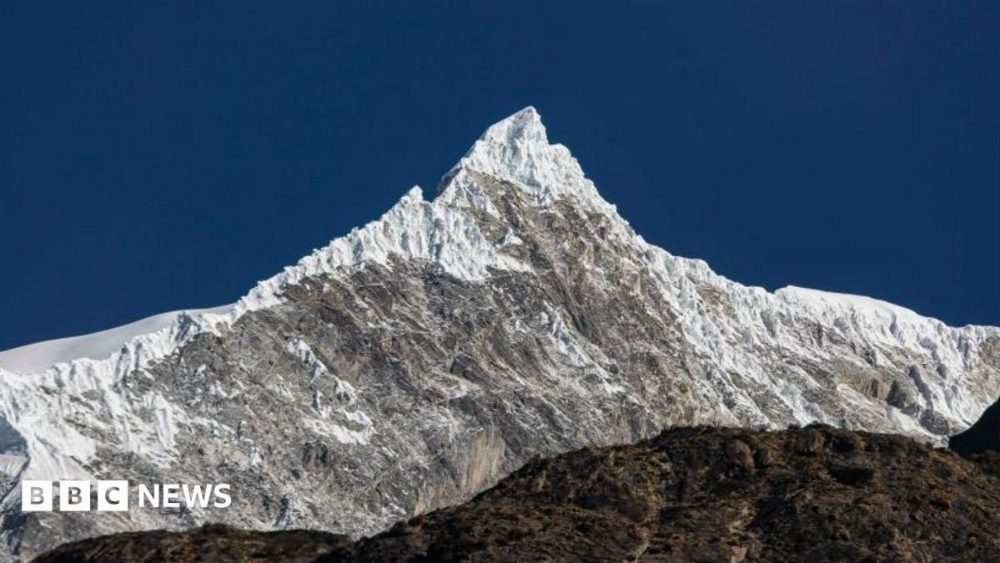
In a striking revelation, scientists have determined that a catastrophic flash flood along the Nepal-Tibet border was likely triggered by the collapse of a glacier. This incident, which has resulted in the deaths of at least 177 individuals, underscores the alarming consequences of rapidly melting glaciers in the Himalayas.
Initially, an earthquake was suspected to have caused a landslide leading to the flood, but further analysis by the US Geological Survey clarified that a glacial collapse was the true culprit. This collapse generated an impact so significant it was measured at a magnitude of 5.2. Dr. Simon Cook from the University of Dundee reported that his team observed the lower section of a glacier near Langtang Lirung peak—approximately 15 kilometers west of the flood site—had disintegrated and traveled downstream.
The International Centre for Integrated Mountain Development (ICIMOD) suggested that an ice-rock avalanche from a high-altitude area contributed to a sudden influx of ice and rock debris into the Lende Khola, a tributary of the Bhote Koshi river. This surge elevated water levels downstream by seven to nine meters within just 30 minutes, resulting in the destruction of several monitoring stations.
Professor Mike Searle from Oxford University explained that the process leading to the flood might have unfolded over hours or days, with debris flow potentially blocking the river and later causing it to burst, leading to a massive flood. The steep topography of the area, characterized by the high Himalayas, would have intensified the flood's force.
The cause of the glacier's collapse remains uncertain. According to Searle, the ongoing tectonic uplift of the Himalayas contributes to increasing glacier steepness, making collapses inevitable. Typically, smaller chunks break away and temporarily obstruct rivers, but this incident involved a complete glacier disintegration, which Searle described as "very unusual" and unprecedented in scale.
Climate change is a significant factor in these disasters, with ICIMOD reporting that Himalayan glaciers are currently losing ice at double the rate compared to 2000. Similar incidents have occurred in regions like India, Switzerland, and Italy, with past events often resulting in substantial loss of life. Specialists warn that the frequency of such catastrophic occurrences is rising, highlighting the urgent need for acknowledgment and action regarding climate impacts on vulnerable mountain ecosystems.
Source: www.bbc.co.uk