Ongoing Conflict in Middle East Forces Arab States to Reassess Strategies
By Editor • August 28, 2026 • 1 min read
As the conflict between the United States, Israel, and Iran stretches into its sixth month, analysts are predicting a long, drawn-out struggle rather than a swift resolution. The initial hopes that economic and military pressures would destabilize Tehran have not materialized, leading to a landscape of uncertainty for oil-dependent Arab states.
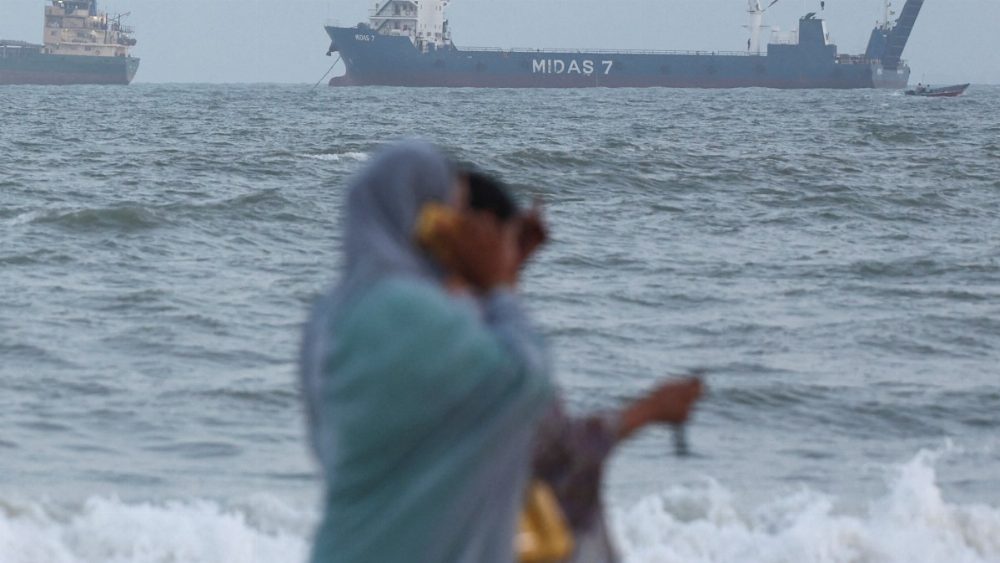
Since the onset of hostilities on February 28, after surprise attacks by Israel and the US, the situation has evolved into a form of attrition. The Strait of Hormuz has seen a dramatic decrease in shipping traffic due to Iranian strikes and US blockades, causing significant supply shocks to regional economies.
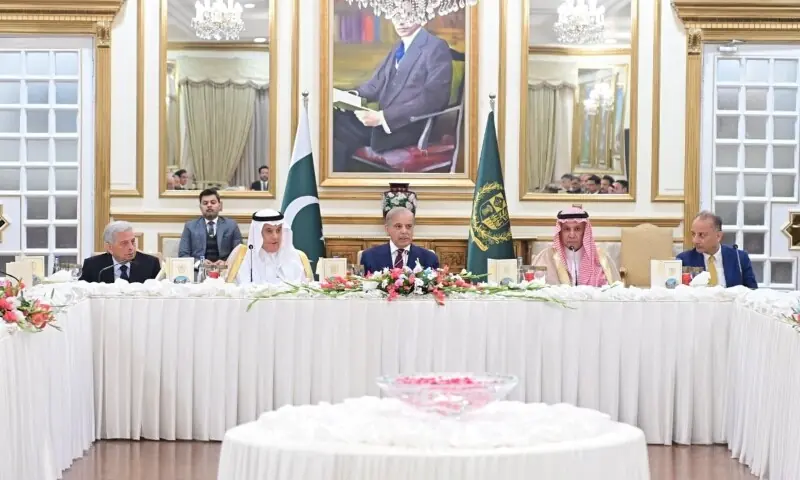
As the war continues, existing regional tensions are likely to escalate. The recent defense agreement between Turkiye, Pakistan, and Saudi Arabia, signed in Mecca, signals a shift towards new military alliances as Gulf countries seek to enhance their defense capabilities amidst heightened risks.
According to Sanam Vakil from Chatham House, while the war has accelerated existing trends, Gulf states were already moving towards diversifying their economies and broadening their defense partnerships away from traditional US security guarantees. Despite setbacks, Israel remains focused on its regional objectives, with experts believing that a collapse of Iran's government is not imminent. HA Hellyer from the Royal United Services Institute predicts that any potential fallout from increased pressure on Iran would unfold over years, not months.
As oil prices rise alongside inflation, Gulf states are caught in a precarious situation, forced to navigate the economic fallout while enhancing their defense strategies. In this volatile environment, the majority of these nations will focus on managing the ongoing turmoil and its repercussions.
Source: www.aljazeera.com