Return of Settlers to Kadim Ignites Tensions in West Bank
By Editor • August 21, 2026 • 3 min read
A wave of new Israeli settlers has returned to Kadim, a settlement in the occupied West Bank that was closed two decades ago. This re-establishment, hailed by the current Israeli government, has stirred fears among local Palestinian residents who remember the impact of the previous expulsion.
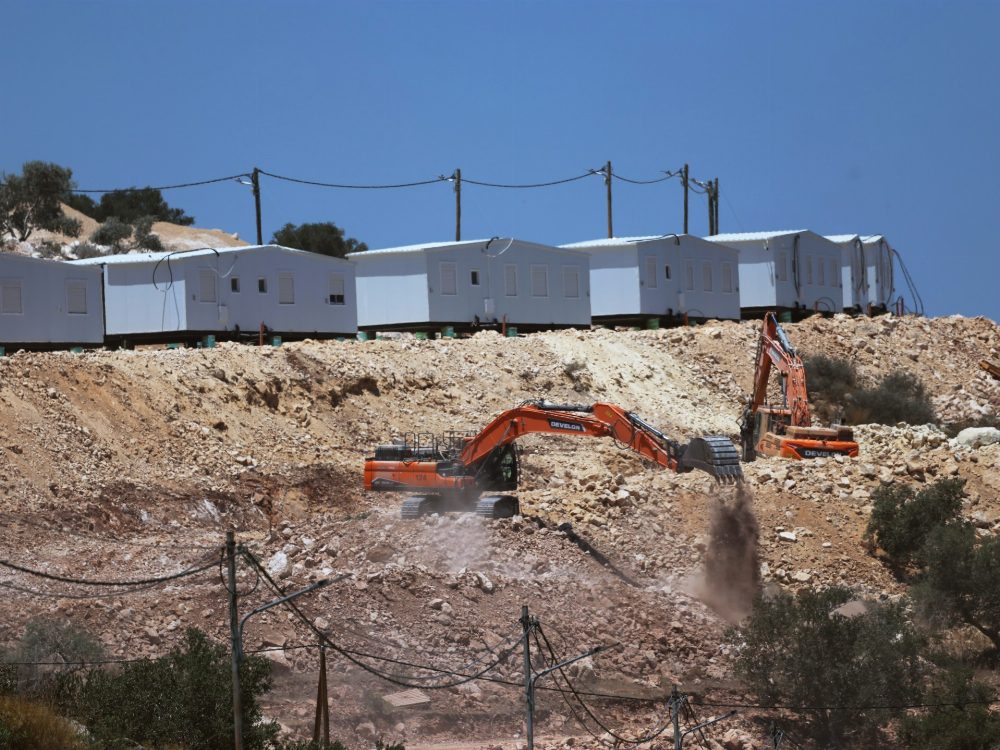
On Thursday, approximately thirty pioneer families made their way to Kadim, bringing with them bedding, furniture, and supplies for rebuilding their homes. This return was marked by celebrations led by prominent figures in Israel's far-right government, including Finance Minister Bezalel Smotrich and other high-ranking officials. "Twenty-one years after the crime of expulsion from northern Samaria, we have completed the correction and have returned to the settlement of Kadim," Smotrich declared at the opening ceremony, invoking historical claims to the region.
The reoccupation of Kadim comes as part of a broader policy shift by Israel, which has lifted a two-decade ban on settlements around Jenin. Settlers approached the area under military protection, waving Israeli flags as they drove past Palestinian villages, a stark reminder of the tensions that have long characterized this region.
For the local Palestinian community, the return of settlers is a source of deep anxiety. A vegetable farmer who has lived in the area for 53 years described how coexistence was once possible but now feels threatened. He recounted how his family was forced to flee from Haifa during the 1948 Arab-Israeli War and expressed a heavy sense of resignation towards the ongoing conflict. "There's no more displacement left in me. We’re living with a sense of resignation. It’s a life of fear," he lamented.
Since the current Israeli government took office in late 2022, over 100 new settlements have been approved in the West Bank, including Kadim, which is the last of the four evacuated settlements from 2005 to be reopened. Other settlements like Ganim, Sanur, and Homesh have also been resettled. The speed of this expansion has raised alarms among observers, including Hagit Ofran from the Peace Now organization, who noted that the government is racing to solidify its control over the land before upcoming elections.
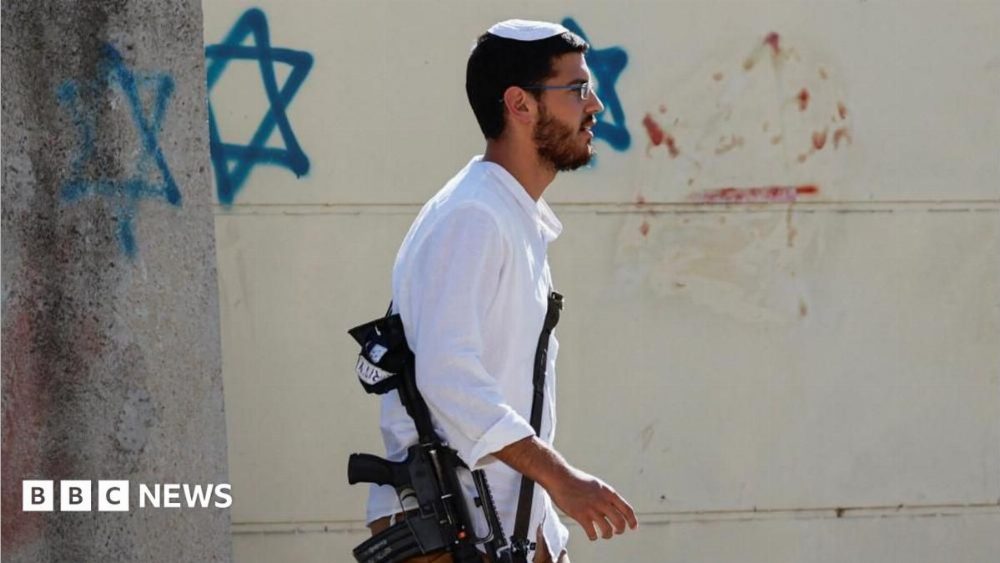
As construction progresses, Palestinians like Samer Jaber, a teacher living near the newly established Emek Dotan settlement, report harassment and intimidation from settlers. Jaber described incidents of settlers filming his family and trying to invade their privacy, contributing to a climate of fear within the community. "Fear dominates everything. We are completely defenseless. All of them have weapons," he stated, as he attempted to fortify his home with concrete blocks for added security.
The construction of military outposts near Jenin has further complicated the situation, with new bases being built on land seized from Palestinians. Kamal Abu al-Rub, the Palestinian Authority Governor for Jenin, expressed concern that these developments are part of a plan to increase Israeli settler presence in the heart of Palestinian cities, likening the situation to historical divisions seen in Hebron or Jerusalem.
The recent surge in settlement activity and military construction has turned once-familiar landscapes into sites of conflict, with many Palestinian businesses reduced to rubble. As the countdown to Israeli elections approaches, the unfolding situation presents a grim reality for local residents who feel increasingly cornered by a rapidly changing environment.
Source: www.bbc.co.uk