Reviving Native Voices: Brian Johnson's Journey Through Indigenous Graphic Design
By Editor • August 27, 2026 • 2 min read
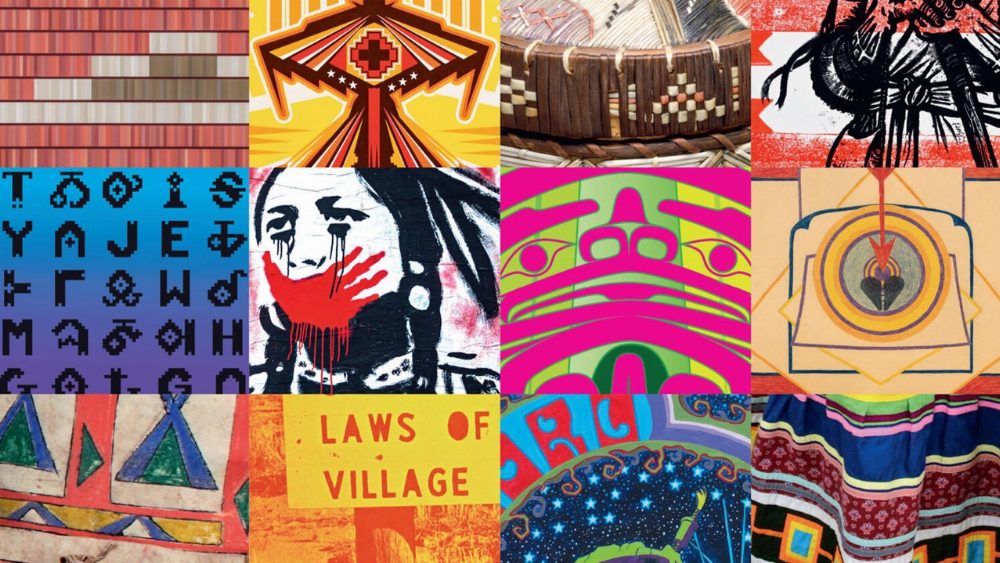
Brian Johnson, a proud member of the Monacan Indian Nation, is reshaping the narrative surrounding Native American graphic design with his recently released book, Designed to Be Red: Native & Indigenous Graphic Works. Published on September 15 by DelMonico Books, this work showcases over two centuries of graphic art from 144 distinct Indigenous groups, challenging long-held misconceptions that design is solely a European endeavor.
The project was catalyzed by a request from New York City's Poster House gallery to present Native American posters, prompting Johnson to embark on a three-year journey toward what he describes as 'cultural sovereignty.' His dual heritage as a Native American and his extensive experience in the design field—spanning more than 25 years—enabled him to earn the trust of various Indigenous artists and contributors.
In a recent Zoom conversation, Johnson elaborated on the book's title, Designed to Be Red, reflecting on the implications of the color red in the context of Native American identity. 'Everything is by design,' he explains, noting how colonization has historically categorized Indigenous peoples in reductive ways. His clever wordplay also plays on 'red' as a homophone for 'read,' emphasizing the importance of storytelling and representation in understanding Indigenous culture.
Johnson's commitment to amplifying marginalized voices is evident not only in his own contributions but also through the inclusion of prominent Native American scholars and designers, such as Dr. Jessica Moore Harjo and Sadie Red Wing, who joined him in discussions throughout the book.
The process of curating over 100 graphic works was a meticulous endeavor for Johnson. Rather than adhering to traditional Western design timelines, he approached his task as a web of interconnected stories, beginning by sourcing pieces he was familiar with, such as the newspaper Akwesasne Notes and its pivotal role during the American Indian Movement. He actively sought stories behind the art, reaching out to individuals across social media and through personal connections, demonstrating an earnest commitment to rediscovering the narratives behind each piece.
A few standout pieces were particularly significant to Johnson. One of the first he chose was The Shrine to Hypocrisy, a powerful poster depicting Mount Rushmore alongside Chief Sitting Bull’s image, which challenges the American mythos surrounding the iconic site. Another piece that resonates with him is the Powhatan's Mantle, a beautifully crafted deer skin adorned with shells, symbolizing the interconnectedness of tribes within the Powhatan Confederacy.
The book culminates in a call to action, urging readers to engage in efforts that support the cultural sovereignty of Native American graphic works. Johnson emphasizes the importance of decolonizing educational practices, questioning established narratives, and creating space for Indigenous voices. He advocates for a deliberate shift away from capitalist urgency to foster genuine community connections and value interpersonal relationships.
Source: www.fastcompany.com
#Brian Johnson #cultural sovereignty #graphic design #Indigenous art #Native American