Rural America Faces Unprecedented Wildfire Challenges in 2026
By Editor • August 18, 2026 • 3 min read
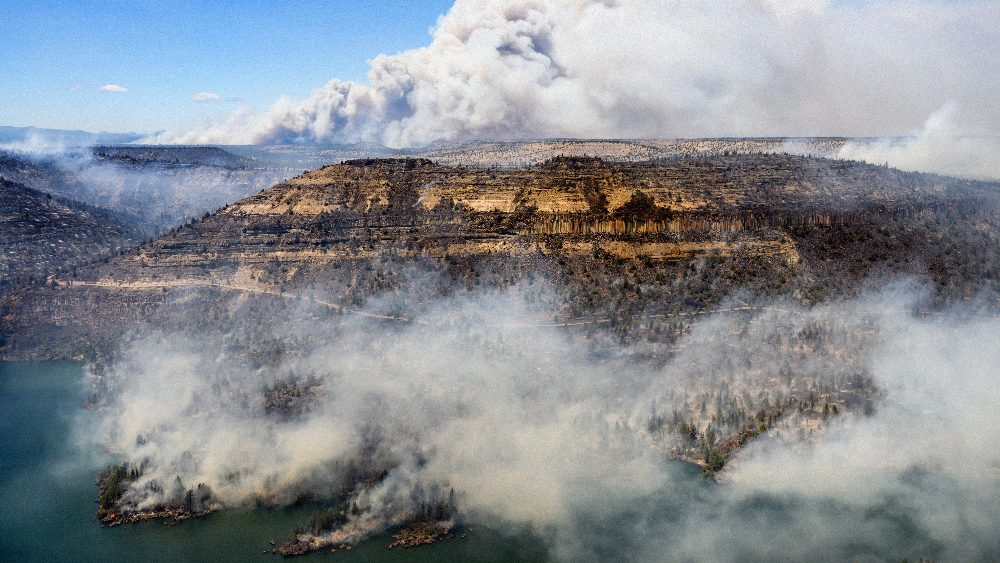
The summer of 2026 is proving to be a catastrophic time for wildfires across the globe, with the United States experiencing some of the most severe rural blazes in recent memory. As of now, approximately 7.2 million acres have been scorched, marking the highest area burned year-to-date in a decade, according to the National Interagency Coordination Center.
In the West, the fires have primarily impacted rural landscapes rather than urban centers. One of the most significant incidents, the Big Grass Fire near Jordan Valley, Oregon, has been raging since July 23 and is considered one of the largest in the state's history. This fire has crossed state lines into Idaho, contributing to the nation's worst air quality levels due to widespread smoke.
While California typically garners much of the attention during fire seasons, this year’s devastation is largely occurring in other parts of the West, including Washington, where entire neighborhoods have been lost to flames. Climate scientist Daniel Swain noted that 2026 is defined by rural fires, a stark contrast to the urban fires of 2025.
The ferocity of this year's fires can be attributed to a combination of back-to-back lightning strikes, extreme heat, drought, and dry conditions left by an unusually warm winter. The consequences have been dire: grazing land and crops have been obliterated, livestock lost, and fruit crops have been incinerated just before harvest. Ranchers report that this year is reminiscent of the disastrous 2024 fire season, which saw 1.9 million acres burn in Oregon alone. This year, however, losses are already exceeding that figure.
On the ground, firefighters are facing significant challenges. The rugged terrain where many fires are erupting complicates access, leading to a reliance on elite firefighting crews who are often stretched thin. Local ranchers and farmers have stepped in, forming volunteer firefighting groups known as Rangeland Fire Protection Associations (RFPAs). These teams, comprised of community members trained by state and federal agencies, are crucial in filling the gaps in firefighting efforts.
Silas Skinner, a sixth-generation rancher, shared that when the Big Grass Fire ignited, the initial response included only a few government trucks, while the bulk of the firefighting effort was undertaken by RFPAs. These associations utilize military surplus equipment to combat the blazes. Skinner and about 100 volunteers have been tirelessly working to contain the fire, which now threatens an area nearly the size of Luxembourg.
Federal agencies have dispatched thousands of personnel to fight the flames, but with many fires occurring simultaneously, resources are becoming increasingly strained. Morgan Kromm, a rancher involved with the Crane RFPA, described the grueling work schedule they’ve faced, often working 36-hour shifts with little to no rest. Meanwhile, the RFPA has already managed 18 fires this year, a number they typically wouldn’t reach until October.
The situation is exacerbated by changing fire seasons, which are becoming longer and less predictable. As rural firefighters juggle their ranching duties alongside emergency responses, community support has been vital. In Jordan Valley, residents are donating hay to those who have lost grazing land to flames. The devastation is not just physical; it threatens the generations of families who rely on these lands for their livelihoods.
Source: www.theatlantic.com
#climate change #environment #firefighting #Oregon #rural America #wildfires