Rural Families Struggle with POTS Diagnosis Amid Growing Awareness
By Editor • August 18, 2026 • 2 min read
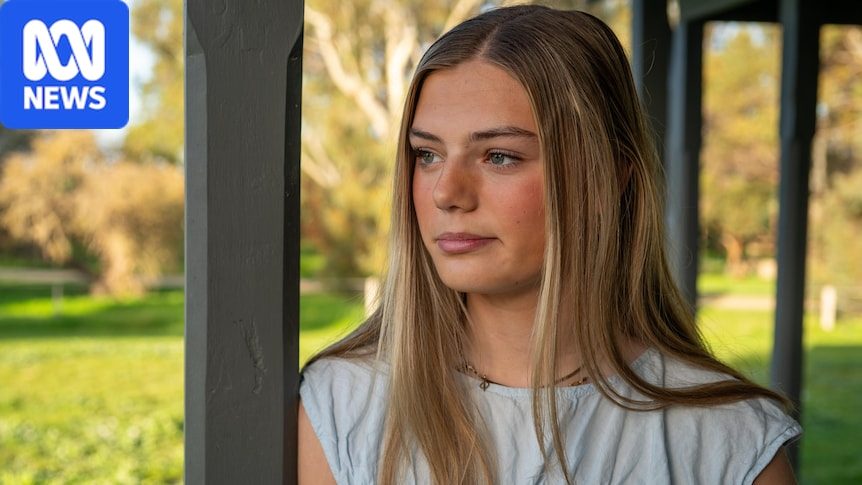
Piper Makin, a 15-year-old from Keith in South Australia, faced a troubling decline in health that left her relying on a wheelchair for mobility. As her condition worsened, her mother, Kylie Makin, took to social media to seek information and community support for postural orthostatic tachycardia syndrome (POTS), a disorder affecting the autonomic nervous system.
Piper's symptoms began subtly but escalated, leading to exhaustion and significant disruptions in her daily life, including school and sporting activities. After persistent efforts to get answers, a simple test confirmed her diagnosis. "I froze because I was so scared I was never going to be able to do fun things like my sport and netball," Piper recalled.
POTS predominantly impacts women aged 15 to 50, and symptoms can vary widely, including fatigue and drops in blood pressure. Despite the prevalence of POTS, awareness among healthcare providers remains low. A national survey revealed that only 2% of Australian general practitioners have received training for diagnosing and treating this condition, according to Marie-Claire Seeley from the Rosemary Bryant AO Research Centre.
"These are women in their prime, yet they are often quietly withdrawn from society due to a lack of support and understanding from the health system," Seeley stated. The Makin family has found this to be true, as they navigate their local health landscape where knowledge of POTS is limited, especially in rural areas.
Kylie’s efforts to raise awareness have brought some visibility, and she recently discovered that another local girl is also battling POTS. Yet, the family’s journey has proven challenging, particularly given their remote location, about 225 kilometers from Adelaide. This distance complicates access to specialized care, and the family has had to invest heavily in treatments like intravenous therapy to manage Piper’s symptoms.
Although Piper has returned to school and is eager to participate in netball, her journey is marked by fluctuations in her health. After initially responding well to treatment, she faced a setback that forced her to withdraw from a netball event. Kylie hopes that increased awareness will empower other families to advocate for their health and seek answers sooner. "If I hadn’t been proactive, Piper might still be in a wheelchair," Kylie emphasized.
Source: www.abc.net.au