Silicon Valley's Infatuation with Sci-Fi: A Dangerous Misinterpretation of Cautionary Tales
By Editor • August 31, 2026 • 2 min read
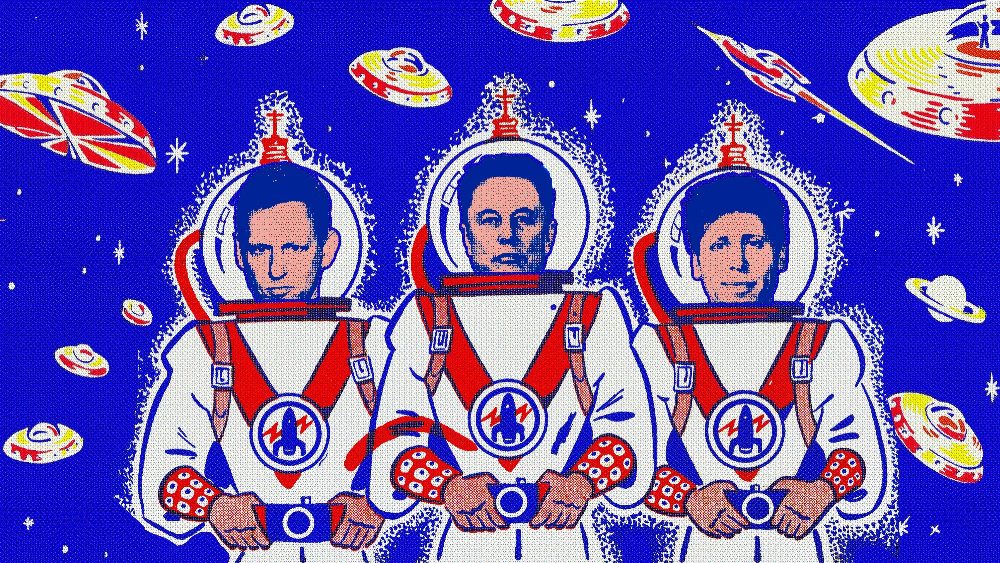
The allure of science fiction has captivated the minds of Silicon Valley's elite, but their interpretation of these narratives has veered dangerously off course. In her insightful work, The Rise and Fall of the Artificial State, author Jill Lepore delves into this phenomenon, exploring how titans like Elon Musk, Peter Thiel, and Sam Altman misread cautionary tales as blueprints for future innovation.
Lepore provocatively suggests that the childhood obsessions of these billionaires with stories of killer robots and space odysseys have shaped their entrepreneurial ambitions. She notes that Thiel, at the helm of his venture capital firm in 2009, declared his focus on "science-fiction-type investing"—a shift that underscores the problematic embrace of technology that could potentially threaten humanity itself.
According to Lepore, science fiction is not merely entertainment in Silicon Valley; it has transformed into a form of technical writing, akin to assembly instructions for the future. As she shifts from historian to cultural critic, she highlights the unsettling mindset of these tech moguls who seem oblivious to the dark consequences their ambitions might unleash.
Musk's fondness for Isaac Asimov's Foundation series began at a tender age, where he was drawn to the tale of Hari Seldon, a mathematician attempting to avert a dark age by preserving knowledge. Yet, when Musk reflects on this influence, he simplifies it into a narrative of individual genius, overlooking the collaborative nature of Seldon’s vision.
Similarly, Bezos, a dedicated Star Trek fan, seemed to absorb the show's fascination with the cosmos while neglecting its deeper social messages. His ambitions to create off-world hotels and colonies reflect a troubling interpretation of Star Trek's ethos, suggesting a desire to escape rather than address earthly challenges.
As Silicon Valley advances technologies that echo the very anxieties depicted in mid-20th century science fiction, the implications grow more profound. Altman’s vision of an AI president optimally representing humanity's collective preferences draws directly from dystopian narratives that caution against relinquishing human agency.
Lepore’s analysis sheds light on how these entrepreneurs, shaped by their youthful imaginations, often fail to engage with the ethical dilemmas posed by the technologies they champion. Asimov's Three Laws of Robotics were designed to ensure machine safety and ethics; however, they seem to be disregarded in the rush toward innovation.
Source: www.theatlantic.com
#Elon Musk #Jill Lepore #science fiction #Silicon Valley #technology