Somalian Piracy: A Worrying Resurgence Amidst Global Conflict
By Editor • August 26, 2026 • 3 min read
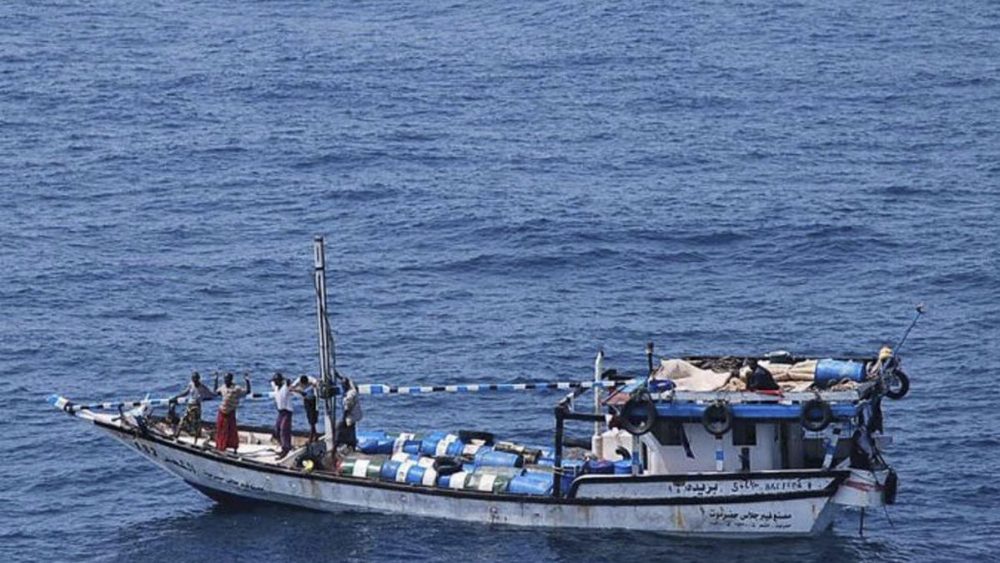
In a troubling development for maritime security, Somali pirates have once again made headlines following the hijacking of two commercial vessels off the coasts of Yemen and Somalia. On August 21, 2026, officials from India's Shipping Ministry reported that the Eritrea-flagged tanker MT Sibu 1, carrying a crew of 20 including 16 Indians, was seized in the Gulf of Aden. Just days earlier, on August 17, the Cameroon-flagged cargo ship MV Lutuf, which had six Indians aboard, was captured off the Puntland coast while transporting Turkish weapons.
Indian authorities assure that the crew members are safe, but the situation has raised alarms about the potential resurgence of piracy, which had seen a significant decline in recent years. Reports indicate that Somali pirates are demanding a ransom of approximately $2 million for the release of the Lutuf and its crew. This resurgence comes amidst escalating tensions in the West Asia region, where conflicts involving Iran and the Houthis are impacting shipping routes.
The roots of Somali piracy can be traced back to the collapse of the Somali government in 1991, which left the nation’s waters vulnerable to exploitation by foreign vessels. A 2013 World Bank study highlighted that illegal fishing and maritime dumping devastated local fishing communities, pushing many into piracy as a means of survival. Pirates, once fishermen, turned to hijacking as an alternate source of income, with one recounting a personal transformation from an unemployed fisherman to a pirate due to economic pressures and family connections.
At the height of Somali piracy, ransoms reached staggering amounts, totaling between $339 million and $413 million between 2005 and 2012. The financial structure of piracy involves various players, from high-level “money kingpins” who receive a significant portion of ransoms, to low-level pirates who typically earn a fraction of the total ransom. This system has established a dangerous cycle where proceeds from piracy often fund further criminal activities, including human trafficking and militia operations.
Despite a decline in piracy due to collaborative efforts between the Somali government and international naval forces, recent conflicts in the Persian Gulf and incidents involving the Houthis have contributed to a revival of pirate activity. A report from maritime intelligence firm Lloyd’s List in April noted a marked increase in incidents, with two confirmed pirate groups reportedly targeting vessels along the Somali coast.
Between January and May of this year, pirates were involved in at least 17 incidents in Somali waters and the Gulf of Aden, with reports stating that Somali pirates successfully hijacked ships for the first time in six years. The Center for Maritime Strategy indicated that these groups have been conducting coordinated operations further into the Indian Ocean, contrasting sharply with past piracy that was largely confined to nearby waterways.
Heightened oil prices, stemming from the ongoing conflict in the Strait of Hormuz, have made oil tankers particularly attractive targets for pirates seeking higher ransoms. Today's pirates operate with greater sophistication, utilizing advanced tracking technology and improved logistics, often launching attacks from larger motherships that can venture further offshore.
Moreover, alliances with groups like al-Shabaab and the Houthis have armed pirates with advanced weaponry, enabling them to disrupt regional shipping on a larger scale. Such developments reveal a concerning trend: piracy is evolving, entwining itself with broader geopolitical tensions and posing an ongoing threat to maritime safety.
Source: www.thehindu.com