Supreme Court's Ruling Ignites Controversy Over Voting Rights
By Editor • August 27, 2026 • 2 min read
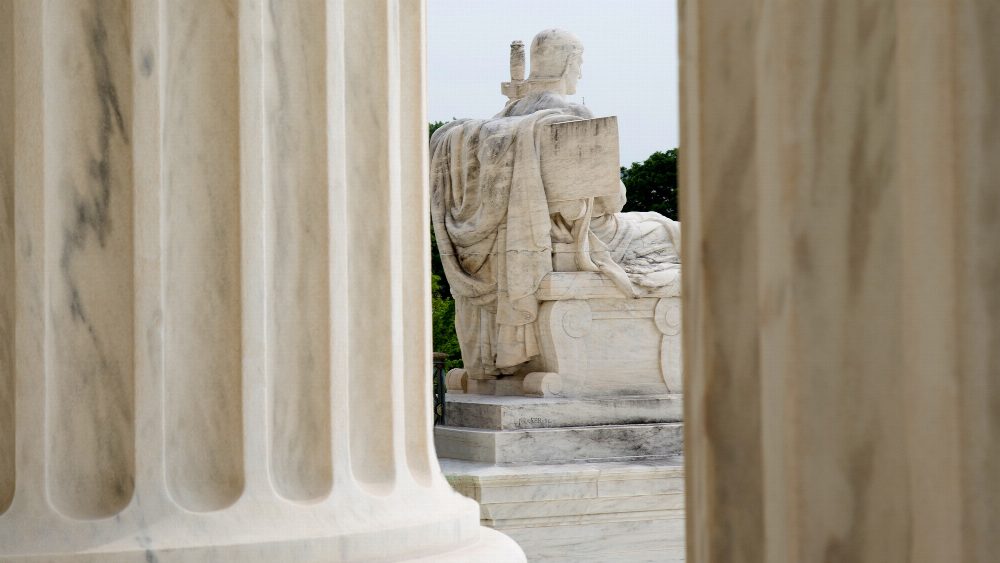
The recent decision by the Supreme Court to allow the Trump administration to proceed with its initiative to restrict mail-in voting has raised significant concerns about the integrity of the judicial process. By lifting an injunction against certain parts of an executive order related to voting, the Court’s conservative justices have seemingly prioritized political agendas over factual evidence.
This ruling, delivered via the Court's shadow docket, comes just ahead of the midterm elections, injecting uncertainty into the voting process for millions of Americans. President Trump has long claimed that widespread voter fraud undermines elections, framing his executive order as a necessary response to this perceived threat. However, the order has been met with legal challenges from 23 states and the District of Columbia, which argue that it violates constitutional principles and creates unnecessary complications for election officials.
Judge Indira Talwani of the Federal District Court in Massachusetts had previously issued a temporary block on parts of the executive order, after conducting a thorough analysis of its implications. Her findings highlighted the chaos the order had already sown among election administrators, disrupting ballot designs and placing strain on voter registration processes. Yet, the Supreme Court’s majority opinion failed to engage with this factual evidence, instead abstracting Trump’s actions as reasonable efforts towards “election integrity.”
In her dissent, Justice Ketanji Brown Jackson pointed out that the difficulties faced by state officials were not mere speculations but established facts acknowledged by the lower court. This dismissal of factual findings from a district court raises serious questions about the Court's commitment to truth and accuracy, particularly under Chief Justice John Roberts, who has been criticized for allowing ideological motives to overshadow factual realities.
The implications of this ruling extend beyond immediate election concerns. By supporting the Trump administration's encroachment on state election authority, the Supreme Court is sending a troubling signal about its role in upholding constitutional boundaries. This decision risks deepening public mistrust in the judicial system and complicating the already fraught relationship between state and federal election management.
As the political landscape becomes increasingly polarized, the judiciary's responsibility as a truth-teller is paramount. The Court's willingness to overlook established facts in order to align with partisan interests not only undermines public confidence but also threatens the very foundation of democratic institutions. The ruling in Trump v. California may prove to be a pivotal moment in the ongoing struggle over voting rights and the integrity of the electoral process in the United States.
Source: www.theatlantic.com
#Justice Ketanji Brown Jackson #mail-in voting #Supreme Court #Trump administration #voting rights