Syria's Diplomatic Shift: Can Peace with Israel Endure Amid Ongoing Strife?
By Editor • August 31, 2026 • 3 min read
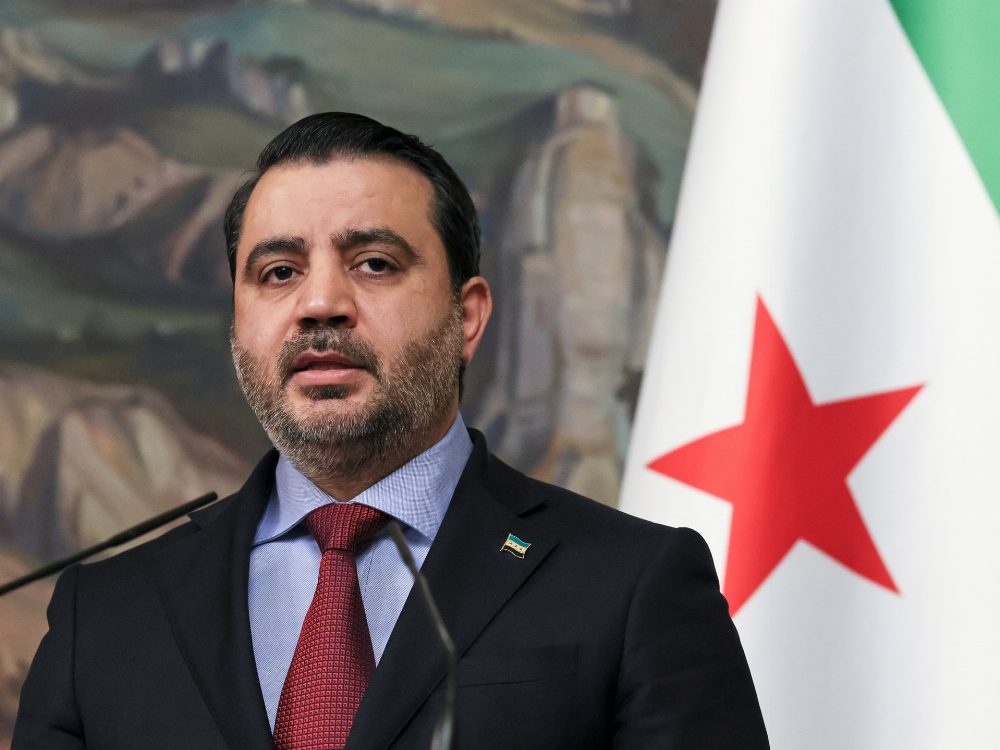
In a significant pivot from its past confrontational stance, Syria is now pursuing diplomatic relations with Israel as it navigates the daunting task of rebuilding after years of civil war. The new government, formed under President Ahmed al-Sharaa following the 2024 revolution that deposed Bashar al-Assad, is making a concerted effort to foster peace with its neighbors, especially Israel.
However, this diplomatic approach faces considerable challenges, particularly due to Israel's persistent military actions within Syrian territory. Since the fall of al-Assad, Israeli forces have not hesitated to target Syrian military infrastructure, further complicating the fragile relationship.
Rob Geist Pinfold, a security studies expert at King’s College London, emphasized the pragmatism of Syria's current leadership. “Syria’s government is intensely pragmatic in that it’s willing to basically sit down and talk to and do deals with people as long as it promotes Syria’s national interest,” he noted. This desire for stability is palpable among the Syrian populace, many of whom are weary of conflict and eager for progress.
Despite the ongoing Israeli provocations, including airstrikes and ground incursions, the Syrian administration insists it seeks a peaceful coexistence. President al-Sharaa has publicly stated that there is no intention to engage in hostilities with Israel. However, the Syrian government has also expressed deep mistrust towards its neighbor, with Foreign Minister Asaad al-Shaibani stating, “We do not trust Israel currently.”
Amidst these tensions, Syria has sought support from both regional and international allies, including the U.S. under Donald Trump, and has strengthened ties with Turkey and several Gulf states. These alliances are seen as vital for Syria to counteract Israeli aggression and to stabilize its own governance.
Analysts suggest that Syria’s diplomatic overtures are not just a matter of preference but a necessity, as the government recognizes that military engagement would be detrimental while it focuses on national reconstruction. “The Syrian leadership does not want to open a military front with Israel while it is rebuilding its army, state, and economy,” stated Souhayb Jawhar, a Lebanese analyst.
The backdrop to these diplomatic efforts includes Israel's aggressive military strategy, which has not only targeted military sites but has also involved the arrest of Syrian citizens in border areas. The Israeli government, currently led by Benjamin Netanyahu, has shown a preference for military solutions over diplomatic ones, complicating Syria’s attempts at establishing a dialogue.
Recent talks facilitated by U.S. mediation between Syrian officials and Israel's Mossad have focused on halting Israeli attacks and reviving negotiations for a lasting security agreement. These discussions occurred shortly after an Israeli strike on a Syrian airbase, which underscores the delicate nature of the ongoing negotiations.
As tensions persist, many Syrians appear to support their government's diplomatic efforts, hoping for an end to hostilities with Israel, while still maintaining claims over the Golan Heights, a region occupied by Israel since 1967. The complexity of the situation is exacerbated by the upcoming Israeli elections, which could lead to heightened tensions as Netanyahu may seek to bolster national security rhetoric.
In this precarious environment, the future of Syrian-Israeli relations remains uncertain. While Syria is making strides towards diplomacy, the continued Israeli military actions pose significant obstacles to achieving a lasting peace.
Source: www.aljazeera.com
#Ahmed al-Sharaa #Bashar al-Assad #diplomacy #Golan Heights #Israel #Syria