Tarique Rahman's India Visit Postponed Amid Diplomatic Strains
By Editor • August 23, 2026 • 3 min read
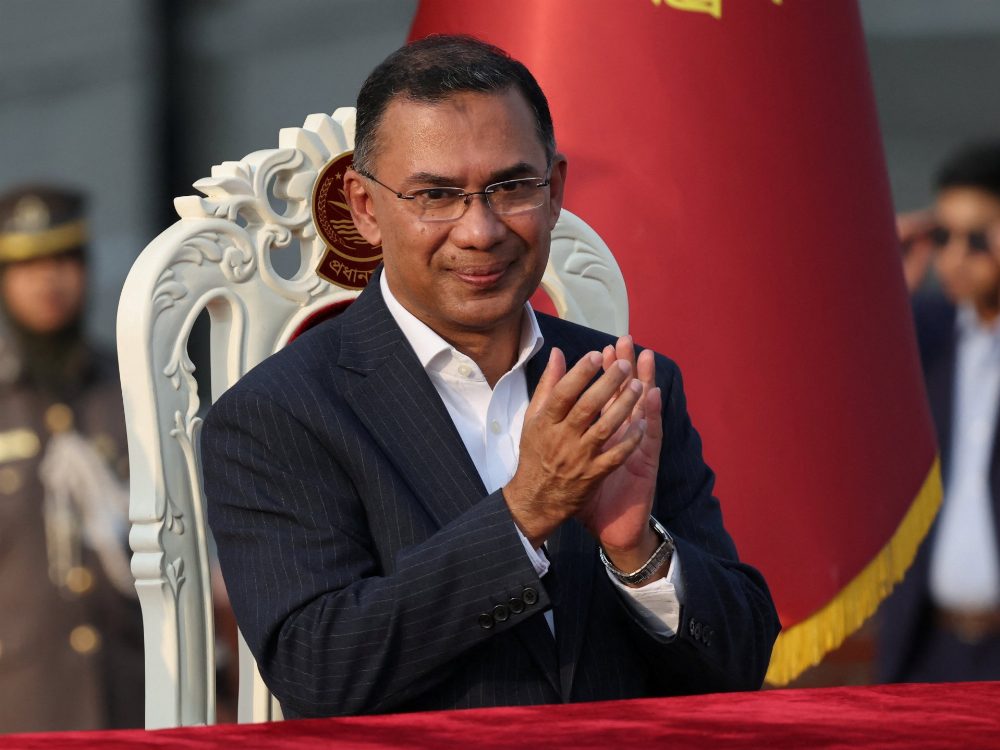
The anticipated visit of Bangladesh's Prime Minister Tarique Rahman to India has been indefinitely postponed, casting a shadow over the already delicate relations between the two neighboring nations. This trip was meant to mark Rahman's first official engagement with India since he assumed office in February 2024, following a tumultuous political upheaval in Bangladesh.
The diplomatic tension escalated after Sheikh Hasina, Rahman's predecessor and a longtime political rival, held a press conference in New Delhi on August 5, which was perceived as provocative by Dhaka. In the wake of the July 2024 uprising that ousted Hasina, the Bangladeshi government expressed that such events complicate the atmosphere necessary for Rahman’s visit. The Foreign Ministry of Bangladesh noted the need for a "propitious environment" for the trip to materialize, as discussions between officials from both countries have been ongoing for several weeks.
India had extended an invitation for Rahman to visit this month, coinciding with the upcoming BRICS summit, which India is set to host. However, the fallout from Hasina's press conference, where she spoke from exile, has overshadowed these diplomatic overtures. India's envoy to Dhaka, Dinesh Trivedi, emphasized that the Indian government is not asking Bangladesh to forget its past but urged Rahman’s administration to move forward and address existing differences.
Despite India's attempts to maintain a positive tone, Rahman’s government appears to be in no rush to finalize the visit. Humayun Kabir, an advisor on foreign affairs for Rahman, stated that Dhaka wants to ascertain the nature of India’s relationship with the newly elected government, particularly in light of the July Mass Uprising, which saw over 1,500 people sacrifice their lives.
The extradition of Sheikh Hasina remains a contentious issue. Bangladesh has been vocal about its desire for India to expedite Hasina’s extradition, as she was sentenced to death in absentia in November 2025. This demand has become a significant diplomatic matter, with some analysts suggesting that India may be using it as leverage in negotiations.
In recent developments, India's Foreign Minister Subrahmanyam Jaishankar spoke on the need for the bilateral relationship to be grounded in mutual interests, emphasizing the importance of recognizing each other’s needs. Yet, the relationship has been further complicated by India’s controversial border policies, with the current government tightening controls along the 4,096 km border and deporting what it calls undocumented Bangladeshi migrants.
Experts note that the political landscape within Bangladesh often influences its foreign policy. Shakil Ahmed, an academic at Jahangirnagar University, pointed out that the dynamics have shifted from the days when Hasina had a close alliance with India. Under Rahman, there is a desire for a foreign policy that respects Bangladesh's sovereignty and is based on mutual benefits.
As the two nations navigate this complex terrain, the path to mending ties remains uncertain. Sreeradha Datta, a specialist in South Asian studies, reiterated that dialogue is essential for both countries, as they have no alternative but to engage with one another. The initial warmth of their relationship has been diluted by rising nationalism and political discord, suggesting that both sides must adapt to a new reality in their diplomatic interactions.
Source: www.aljazeera.com
#Bangladesh #diplomatic relations #India #Sheikh Hasina #Tarique Rahman