Tensions Rise in South Korea as Trump Alters Military Drills Amid Iran Standoff
By Editor • August 20, 2026 • 3 min read
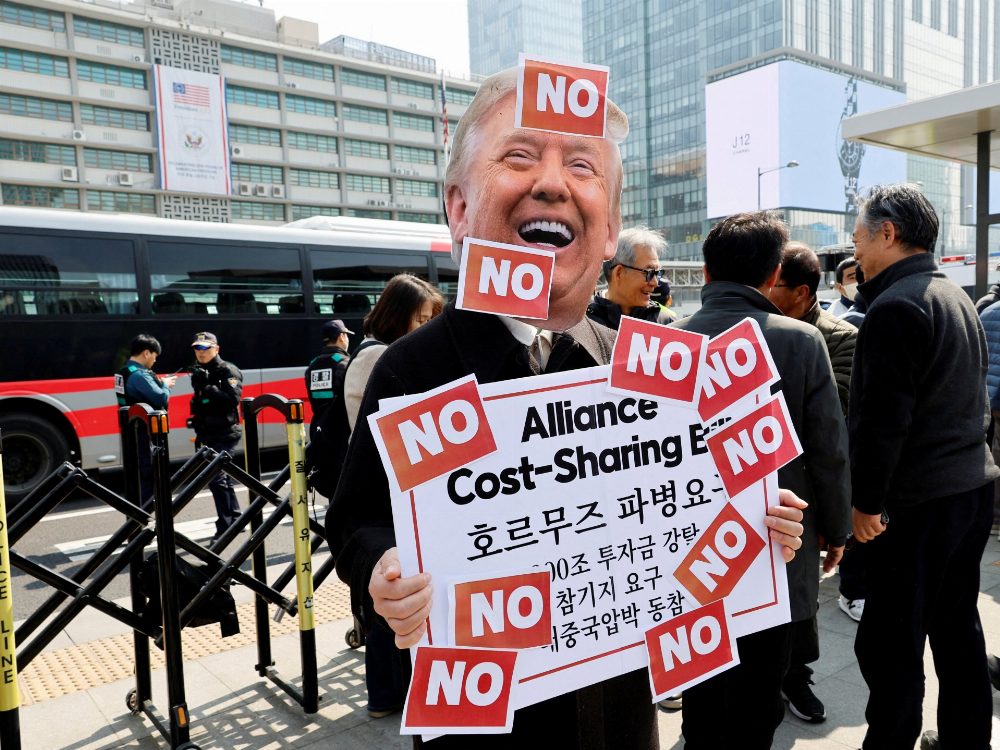
In a surprising turn of events, South Korea finds itself navigating treacherous waters as US President Donald Trump announced a significant reduction in joint military exercises with South Korea, just hours before the drills were set to commence. The directive, delivered via a post on Trump's Truth Social platform, labeled the exercises as "inappropriate and hostile" towards North Korea, leading to confusion and alarm within the South Korean government.
The announcement came on a national holiday in South Korea, celebrating the country's liberation from Japanese colonial rule, catching officials unprepared. Following the directive, the Pentagon confirmed it was working on implementing the changes, while General Xavier Brunson of US Forces Korea met with South Korean Defense Minister Ahn Gyu-back to discuss the implications. The military exercises, initially planned for 11 days, were ultimately cut down to five, with several training drills also being scaled back.
This abrupt shift has reignited concerns about the reliability of the US-South Korea alliance, a partnership that has been pivotal since the Korean War ended in a ceasefire rather than a peace treaty. President Lee Jae Myung attempted to project a sense of stability, asserting the importance of the alliance while emphasizing the need for South Korea to bolster its own defense capabilities. In a conciliatory gesture, he expressed understanding of Trump's perspective and indicated openness to contributing to maritime security in the Strait of Hormuz, where Iran has imposed a blockade.
Discontent was palpable in the South Korean Parliament, where Foreign Affairs Minister Cho Hyun revealed that neither South Korean officials nor their US counterparts had prior knowledge of Trump’s decision. The unexpected announcement prompted a range of reactions on social media, with some users expressing frustration over the perceived lack of trustworthiness in Trump's statements and others lamenting the US's prioritization of its interests over its alliances.
Critics, including opposition leader Jang Dong-hyeok, condemned President Lee for not supporting the US in its military efforts against Iran, accusing him of jeopardizing the longstanding alliance. Jang warned of potential consequences, including the unraveling of the alliance and calls for a complete withdrawal of US troops from South Korea.
Editorial responses in South Korea emphasized the necessity of reassessing the dynamics of the US-South Korea relationship. The Hankook Ilbo urged citizens to recognize the diminishing reliability of the alliance, questioning why North Korea seemingly receives more respect from the US than its allies. Meanwhile, the JoongAng Ilbo noted that alliances require mutual contributions and urged the government to demonstrate its commitment through practical measures.
As debates about South Korea's foreign policy intensify, the public is split on how to approach the US's request for support in Iran, with polls indicating a nearly even divide between supporting the US and advocating for neutrality. Amid these tensions, experts are voicing concerns about the long-term implications of Trump's unilateral decisions on military cooperation and the potential for South Korea to reassess its own defense strategies, including the controversial topic of developing its own nuclear arsenal.
The situation underscores a growing realization in Seoul that the predictability of the US's security commitments may no longer be assured, prompting discussions about whether South Korea needs to cultivate a more autonomous defense posture in light of shifting geopolitical realities.
Source: www.aljazeera.com