The Evolution of Architecture: Integrating Animals into Human Spaces
By Editor • August 31, 2026 • 2 min read
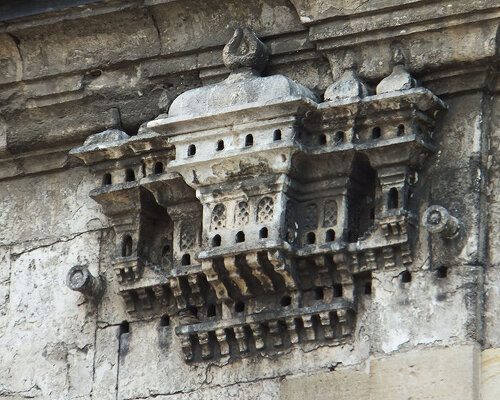
Throughout history, architecture has not merely catered to human needs; it has also been shaped by the presence of animals. From pigeon towers in Iran to birdhouses in Ottoman mosques, buildings have evolved to create symbiotic relationships with the animal kingdom.
In Safavid Iran, pigeon towers, known as kabootar khaneh, represent a unique blend of architecture and agriculture. These mudbrick structures provided safe nesting spaces for pigeons, which foraged in the surrounding fields. The birds' droppings served as an invaluable fertilizer, enhancing agricultural productivity and creating a functional ecosystem where both humans and animals benefited. The design of the towers was intricately connected to the pigeons’ behavior, ensuring their health and productivity while reinforcing the link between architecture and the surrounding farmland.
Similarly, Japan's gasshō-zukuri farmhouses illustrate an innovative approach to multispecies living. These timber structures, found in the snowy mountains of central Japan, were designed to support both domestic life and sericulture. The warm air rising from the hearth below created an ideal environment for raising silkworms in the attic, demonstrating how architecture can foster interdependence between human habitation and agricultural practices.
In urban settings, the Ottoman kuş evleri, or birdhouses, integrated animal life into public architecture. These small nesting spaces, designed with care and detail, provided refuge for birds within the walls of mosques and public buildings, reflecting cultural values of compassion and stewardship towards animals. In contrast, the chabutros in Gujarat, India, exemplify a communal approach to animal care, offering elevated platforms for feeding and sheltering birds, thus embedding wildlife into daily urban life.
On the other end of the spectrum, the grandeur of structures like the French colombier and the Grandes Écuries at the Château de Chantilly reveal how animal architecture often signified wealth and social status. Dovecotes were not just practical; they were symbols of seigneurial power, while the opulent stables for horses showcased the aristocracy's connection to their equine companions through architectural grandeur.
The 19th century brought a shift in how animals were perceived in relation to architecture. The British Model Farm movement standardized animal housing, focusing on productivity and efficiency. John Claudius Loudon's writings laid the groundwork for treating livestock as measurable units within a systematic agricultural framework, separating animal production from domestic life. This marked a departure from earlier integrated designs, paving the way for modern industrial agriculture.
Source: www.designboom.com
#agriculture #animals #architecture #cultural history #urban design