The Evolution of Good Taste: Embracing the Unconventional
By Editor • August 26, 2026 • 3 min read
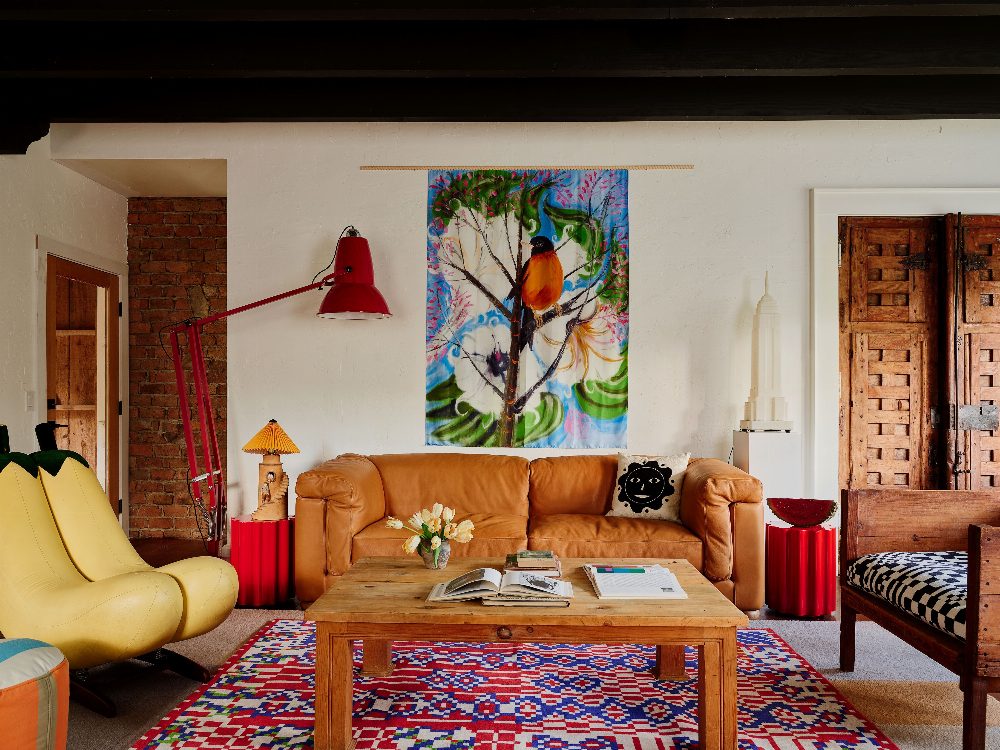
In the realm of interior design, the concept of good taste is undergoing a profound transformation. Once defined by serene and uniform aesthetics—think natural materials, low sofas, and warm lighting—today's design landscapes are increasingly defined by their quirks and eccentricities. This shift is not merely a trend; it reflects a growing desire for spaces filled with personality and authenticity.
As accessibility to design resources expands, the traditional symbols of good taste have begun to lose their exclusivity. Iconic pieces like the Terrazza sofa and vintage Pacha lounge chair, while still beautiful, are now commonplace, their uniqueness diminished by their widespread availability. This democratization of design has led to a rise in idiosyncratic styles that challenge conventional notions of beauty.
Creative director Sarah Keenlyside exemplifies this new wave of design. In her Milan home, she spent nearly a year searching for the perfect rug to define her living room. The lively yellow perforated rug she ultimately chose reflects a shift toward more vibrant and personalized choices. According to Tony Freund, editorial director at 1stDibs, this trend is evident in the rising interest for furniture and art that exudes character, with searches for Salvador Dalí and Alessandro Mendini surging significantly this year.
The pandemic catalyzed this shift, as people sought to infuse their living spaces with joy and distraction amid uncertainty. Homeowners began to appreciate pieces with intriguing backstories and unique materials, prioritizing personal resonance over traditional ideals of decor.
Interior designer Frances Merrill highlights the importance of conviction in design, noting that hiring a designer should be about creating spaces that resonate personally. In her projects, she often blends eclectic elements, including cherished family heirlooms and quirky finds, to evoke genuine emotional connections.
Leah Ring’s recent project in LA further illustrates this departure from traditional concepts of taste. Instead of aiming for timelessness, the directive was to embrace the bizarre. Her design features an underwater-themed guest bathroom complete with vintage jade fixtures and whimsical wallpaper, showcasing how embracing uniqueness can lead to captivating spaces.
As the design landscape evolves, some studios, such as Charlap Hyman & Herrero, delve into full surrealism. Their projects feature unexpected items that prioritize depth and uniqueness over simplicity. This desire for material richness is mirrored in the resurgence of handcrafted items, like Murano glass and artisanal clay vessels, which bring an element of history and narrative to a home.
However, the challenge remains: how to balance this newfound weirdness with authenticity. While embracing the unconventional can create dialogue within a space, it’s crucial to ensure that these elements carry meaning and context. As designer Oliver Furth cautions, “weirdness for weirdness’ sake” lacks substance and intention.
As artificial intelligence increasingly influences design trends, it raises questions about the essence of taste. AI can replicate aesthetically pleasing designs but lacks the ability to infuse spaces with personal memories and stories. The future of good taste may very well depend on the human touch—the memories, obsessions, and convictions that AI cannot replicate.
Ultimately, the invitation is clear: choose pieces that resonate with you, mix the old with the new, and allow your space to reflect your individuality. As Pamela Shamshiri aptly states, “weird doesn’t mean chaotic;” every item must earn its place through craftsmanship and emotional connection.
Source: www.architecturaldigest.com
#eccentricity #good taste #interior design #personal style #surrealism