The Hunt for Ex-Regime Officials: Lebanon's Shifting Landscape Post-Assad
By Editor • August 19, 2026 • 2 min read
In a dramatic turn of events following the collapse of Bashar al-Assad's regime in December 2024, Lebanon is no longer the sanctuary it once was for former Syrian officials. As the new Syrian government intensifies its efforts to bring regime members to justice, the once-secure refuge across the border is becoming increasingly perilous for these individuals.
With the fall of Damascus, many high-ranking officials and military leaders sought safety in Lebanon, believing their connections with Hezbollah and Lebanon's military would shield them from repercussions. However, the Syrian government is now actively pursuing extraditions for alleged war crimes committed during the brutal uprising that began in 2011.
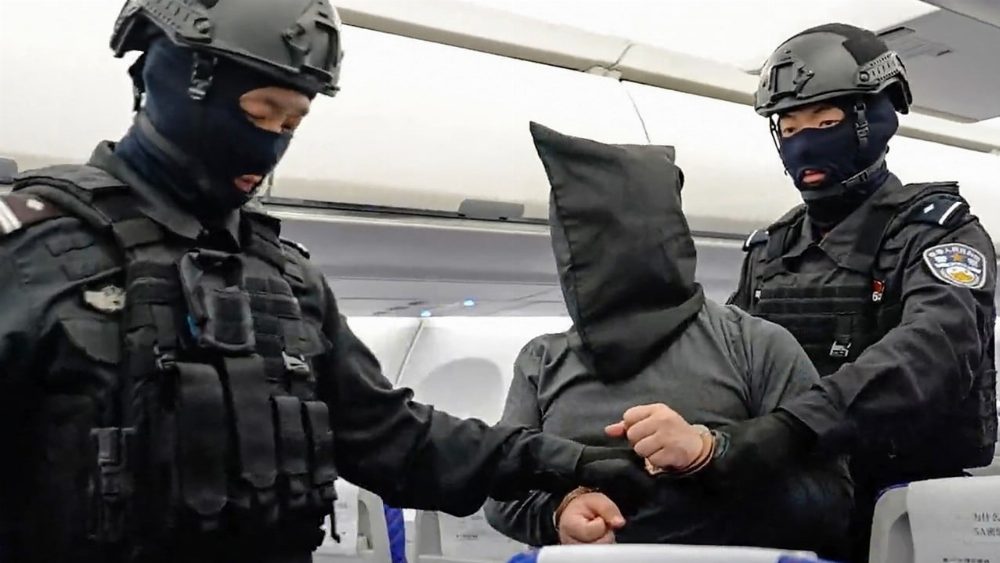
Judge Mustafa al-Qassem, an aide to the Syrian justice minister, emphasized the regime's commitment to international judicial cooperation to apprehend former officials. Recently, the arrest of Adel Issa, a former major general in the Syrian Army, marked a significant shift. He was detained after a tip-off from the Syrian embassy in Lebanon, and Lebanese authorities announced plans to extradite him back to Syria for trial.
As the new regime seeks to hold accountable those involved in its dark past, the recent sentencing of Bashar al-Assad and his close associates to death in absentia raises questions about the fate of other ex-regime figures still residing in Lebanon. Many former officials, including Jamil al-Hassan, the ex-head of the Air Force Intelligence Directorate, are believed to still be within Lebanon's borders, despite ongoing international calls for their arrest.
Reports indicate that a network of former officials is holed up in northern Lebanon, particularly in Tripoli's Jabal Mohsen neighborhood. While estimates of their numbers are vague—due in part to some fleeing with false documentation—it's clear that the landscape has shifted dramatically. Previous safe havens have been disrupted, with training camps once established for exiled officials reportedly shut down by Hezbollah and the Lebanese army.
As Lebanon grapples with its complicated history with Syria, the balance of power is shifting. Hezbollah, which previously maintained a close alliance with the Assad regime, is now signaling a willingness to cooperate with Syria's new leadership. This shift comes amid increasing pressure from the United States for Syrian intervention in Lebanon against Hezbollah, a move that many experts believe could destabilize the region.
Despite Lebanon's recent abolition of the death penalty—making it the first country in the Middle East to do so—the prospect of extraditing former Syrian officials remains fraught with legal and ethical dilemmas. Wadih al-Asmar, co-founder of the Lebanese Centre for Human Rights, argues that the Lebanese judiciary has a responsibility to prosecute those who committed crimes during Syria's occupation of Lebanon.
As tensions rise and the Syrian government seeks accountability, the future of former regime officials in Lebanon hangs in the balance. The landmark trial that led to the al-Assad brothers' sentencing underscores the urgent need for Lebanon and Syria to navigate their complex relationship, particularly concerning human rights and the potential consequences of extradition.
Source: www.aljazeera.com