The Legal Maze of AI Training on Copyrighted Material: A Closer Look
By Editor • August 23, 2026 • 2 min read
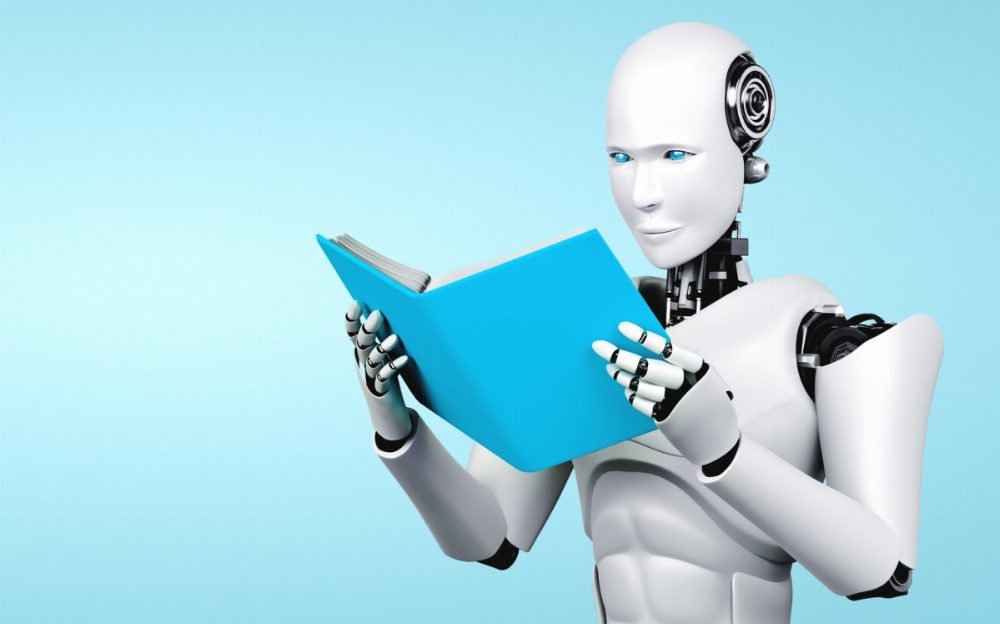
The realm of artificial intelligence is grappling with a critical question: is it permissible to utilize copyrighted books for training AI models? As AI technologies like ChatGPT and Gemini evolve, their development often relies on vast datasets that include countless published works, many of which were used without authors' consent. This has sparked a complex legal debate over copyright laws established decades ago.
In a landmark case last year, Judge William Alsup ruled that while Anthropic’s use of copyrighted texts was lawful, the company was still liable for a staggering $1.5 billion in damages due to illegally sourcing these works from shadow libraries. This decision has left many authors feeling their rights are being undermined, even as the ruling seemed to favor AI companies.
Attorney Cathy Gellis noted that the legal landscape is intricate and filled with emotions, highlighting the challenges posed by outdated copyright laws from 1976. "The courts are trying to reconcile these old rules with new technologies that were never envisioned at the time," she explained. The core of the issue revolves around whether the use of copyrighted material in AI training can be considered transformative under fair use laws.
Fair use, which allows limited use of copyrighted works, is assessed based on various factors, including the purpose of the use and its impact on the market. Jason Henderson, a senior attorney, pointed out that courts have been inconsistent in their rulings. In some instances, like the case of Thomson Reuters against Ross Intelligence, courts have ruled against AI training that directly competes with existing businesses.
However, the question remains whether AI-generated content competes with authors’ works. While some argue that AI tools might generate new synthetic literature, this has yet to be tested in court. Gellis argues for a nuanced understanding of copyright as it pertains to AI, emphasizing the distinction between training AI with copyrighted material and the ownership of AI-generated content.
The implications of these legal disputes are profound as they raise questions about the future of creativity and authorship in an AI-driven world. For instance, a ruling from the Thaler v. Perlmutter case stated that purely AI-generated works cannot be copyrighted, complicating the landscape further. How much human input is required to claim copyright? This is a dilemma that legal experts are currently wrestling with.
As litigation continues, the outcomes of these cases will undoubtedly shape the future of AI and copyright law. Gellis warns that the current rulings are just the beginning and that future decisions could alter the trajectory of AI development. "It would be imprudent for AI companies to disregard these decisions as they will dictate how the industry evolves in the coming years," she stated.
Source: techcrunch.com
#AI #copyright #Fair Use #intellectual property #Judge Alsup #litigation