The AI Dilemma: Who Truly Invents in Drug Development?
By Editor • August 21, 2026 • 2 min read
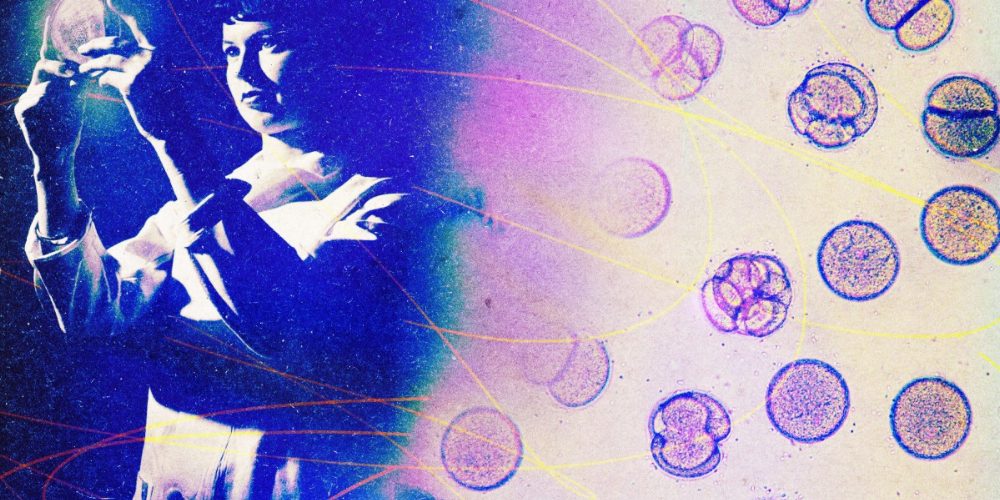
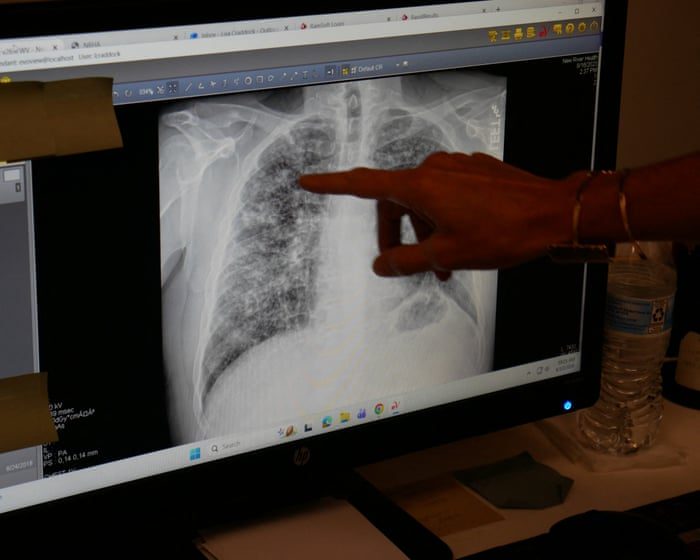
As advancements in artificial intelligence reshape the landscape of drug discovery, a compelling debate emerges around intellectual property rights. Insilico Medicine, a frontrunner in biotech, recently showcased its generative AI platform's ability to propose a novel drug for pulmonary fibrosis. The company proudly proclaimed this molecule had been 'discovered by' their AI system.
However, the situation took an unexpected turn when Insilico filed for a patent, attributing the invention solely to five human individuals, including CEO Alex Zhavoronkov. This discrepancy highlights the current limitations of intellectual property law, which, as it stands, recognizes only humans as inventors.
The legal framework surrounding this issue was underscored by a notable case led by attorney Ryan Abbott. He argued that an AI named DABUS, which created an innovative food container design, should be credited as an inventor. The courts, however, ruled that since machines are not classified as individuals under U.S. statutes, they cannot hold invention rights. This ruling emphasizes a stark reality: regardless of an AI's contributions, legal recognition remains tethered to human inventors.
Sarah Korman, a patent attorney, echoed this sentiment at a recent MIT Technology Review event, pointing out that the current legal landscape must adapt to keep pace with AI's evolving capabilities. She noted that while AIs can indeed create, the significant question remains whether a human has sufficiently contributed to warrant the title of inventor.
Abbott expressed concern that if U.S. policies continue to sideline AI-generated creations, future drug development could suffer. He highlighted a growing trend where the U.S. Copyright Office denies copyrights for AI-generated works, raising alarms for industries leveraging these technologies.
As the U.S. Patent and Trademark Office navigates this complex terrain, its current stance treats AI as a mere tool rather than a creative entity, complicating the patent process further. Insilico's Zhavoronkov acknowledged the importance of human involvement in drug synthesis and testing, emphasizing that even in a robotic future, human oversight will remain crucial.
Source: www.technologyreview.com
#AI #drug discovery #Insilico Medicine #intellectual property #patents