The Struggles of USS Abraham Lincoln Sailors Highlight a Broader Military Crisis
By Editor • August 28, 2026 • 3 min read
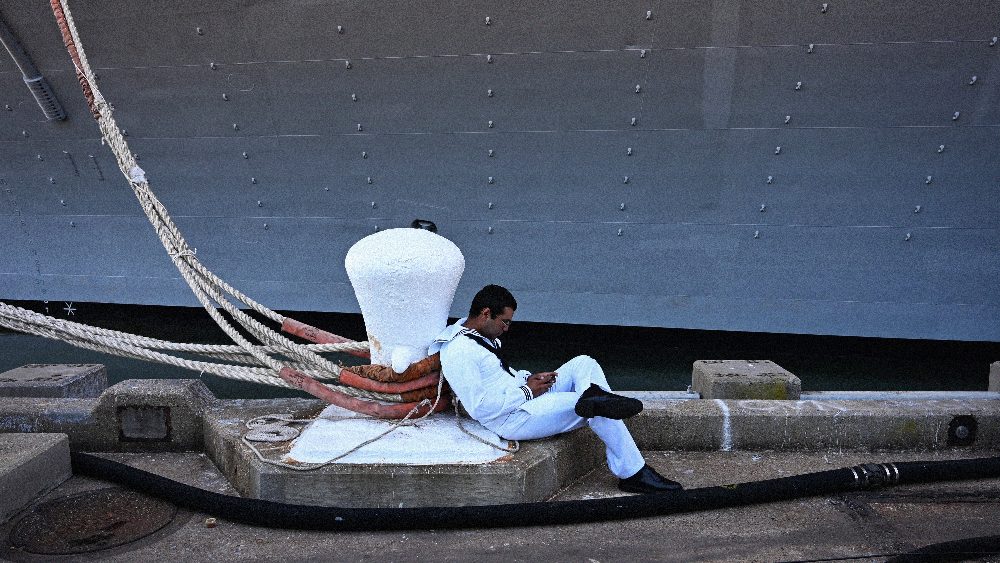
As the USS Abraham Lincoln continues its unprecedented deployment, lasting over 240 days at sea, the struggles faced by its 5,000 sailors and Marines illuminate a troubling trend within the military. Initially set to return home to San Diego in May, the ship's crew has been subjected to extended combat operations with limited access to essential supplies, making their time at sea not just a test of endurance but a glaring example of neglect from military leadership.
During my own time stationed at sea, I relied on milestones to mark the passage of time—port calls, ceremonies, and the inevitable return home provided comfort amid the monotony of life at sea. However, for those aboard the Lincoln, such markers have become distant memories. The sailors were recently granted an abbreviated port call where, reportedly, they did not even disembark. The conditions have been exacerbated by logistical challenges, including food and hygiene supply shortages, which have seemingly gone unaddressed by higher authorities.
This crisis on the Lincoln is emblematic of a larger pattern of disregard for the well-being of our service members. The name of the ship itself pays homage to President Abraham Lincoln, who promised to support veterans and their families. Yet, the treatment of those aboard betrays this commitment. Sailors have devoted themselves to serving their country, but they deserve respect and adequate care from their superiors, not neglect.
From 2021 to 2023, I was involved in initiatives aimed at improving the mental health and resilience of sailors and Marines. Despite considerable efforts to foster a culture of respect and support within the armed forces, the current crisis suggests that these goals have not been fully realized. The military once recognized that the well-being of its personnel is critical to operational effectiveness. Unfortunately, the ongoing deployment of the Lincoln, along with similar situations across the fleet, indicates a deviation from this principle.
Reports indicate that the logistics issues faced by the Lincoln could have been anticipated as early as February when a significant supply base in Bahrain was damaged. Instead of proactive planning, the military leadership has remained reactive, leaving sailors to fend for themselves. The Secretary of Defense's recent actions, including blocking promotions for many qualified officers, further illustrate a troubling trend within the Navy’s leadership.
Concerns raised by families of the Lincoln's crew have been met with derision from Pentagon officials, who dismiss legitimate grievances as mere complaints. Such dismissive attitudes contribute to a culture where service members feel undervalued and disrespected. The Department of Defense has issued memos that make it easier to dismiss harassment complaints, reinforcing a troubling status quo where accountability is lacking.
As the Lincoln prepares to return home, the challenges faced by its crew will not simply vanish with their arrival. The transition back to life on land can be daunting, with many sailors expected to resume their duties immediately. There is no designated cooldown period for the majority of Navy personnel, unlike the SEAL teams, who receive time for family and therapy post-deployment. For many, the psychological impacts of such extended deployments may not surface until much later.
The Veterans Affairs system, weakened under previous administrations, further complicates the situation for returning sailors. With thousands of positions eliminated and treatment guidelines that recommend minimal therapy sessions, the support network for veterans is increasingly fragile. The consequences of neglecting the needs of our service members extend far beyond their time in uniform.
Source: www.theatlantic.com
#leadership #Military #Pentagon #sailors #USS Abraham Lincoln