Trail Running Showdown: Waistbelts vs. Hydration Vests
By Editor • August 19, 2026 • 3 min read
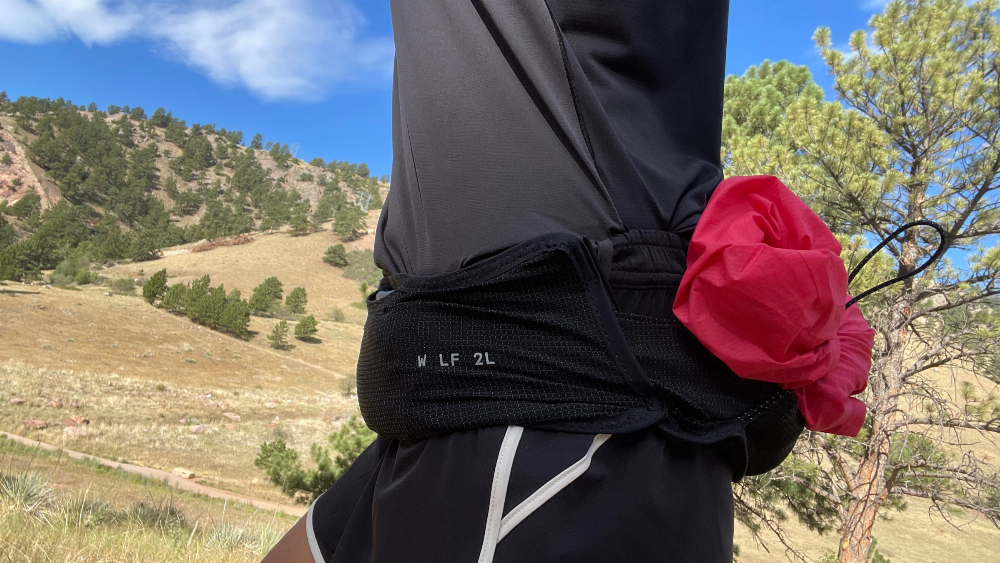
In the evolving world of trail running gear, hydration vests have long been the go-to for serious runners, offering space for essentials while maintaining comfort. However, the emergence of modern waistbelts has raised questions about whether they can rival the classic hydration vest in functionality and comfort.
As a seasoned trail runner and the category manager for Outside’s running hydration vests gear guide, I've tested countless hydration vests over the years, appreciating their ability to evenly distribute weight and keep my essentials close at hand. The best vests allow for hands-free hydration, which is crucial when navigating challenging terrains.
But with a new wave of waistpacks designed specifically for trail running, I decided to put them to the test. I compared two models, the Osprey Duro Dyna Pro Belt and the Raide LF 2L, against my favored Patagonia Slope Runner Vest during recent trail runs. The results were illuminating and sometimes surprising.
When it comes to hands-free hydration, hydration vests hold a clear advantage. They provide immediate access to fluids without breaking stride—whether it’s through a hose or soft flask positioned on the shoulder straps. In contrast, while waistbelts can carry soft flasks comfortably, retrieving them during a run requires a bit more effort, making it less convenient, especially when using trekking poles.
Initially, I presumed that hydration vests would outperform waistbelts in gear capacity. Surprisingly, the Osprey Duro Dyna Pro Belt held its own. It managed to carry a 500mL soft flask, phone, fuel, lip balm, and even a layer, thanks to its cleverly designed pockets. The vest, while spacious, didn’t offer a massive advantage in this test, leading to a rare tie.
Accessibility of gear is another essential factor. While both the vest and the waistpack allow for some ease in retrieving items, the hydration vest’s shoulder pockets provide a slight edge, as they can be accessed easily while on the move. However, with some practice, I suspect that accessing items from the waistbelt will become more intuitive.
Comfort is crucial for any runner, and both the waistbelts I tested proved to be surprisingly comfortable, even on rugged trails. They sat securely on my body, without any bouncing, and the breathable materials kept me cool. I enjoyed the feeling of less bulk compared to the vest, which allowed for greater freedom of movement.
Speaking of freedom, this is where waistbelts truly shine. They allow for easy layering and unlayering during runs, a feature that I found particularly advantageous during unpredictable weather. On occasion, I even stashed my hydration vest inside the waistbelt, opting for the freedom of running without the bulk of a pack.
Ultimately, my tests revealed that while hydration vests excel in hands-free hydration and quick access to fluids, waistbelts offer superior comfort and freedom of movement. Both options have their merits, and the choice largely depends on personal preference and the type of run being undertaken. For now, the waistbelt may have a slight edge in terms of comfort, but the hydration vest retains its status as a reliable companion for long-distance trail running.
Source: www.outsideonline.com
#gear comparison #hydration vests #outdoor gear #trail running #waistbelts